

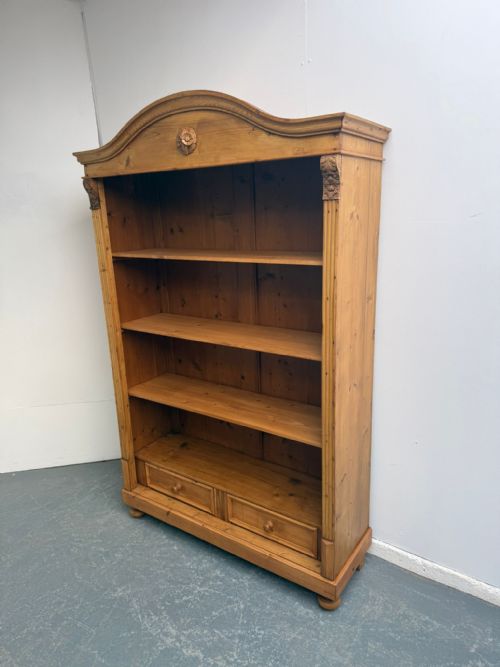


Large Pine Shelf
A large pine shelf provides substantial utility and storage, bringing honest craftsmanship and adaptable proportions to any room.
Large Pine Shelf
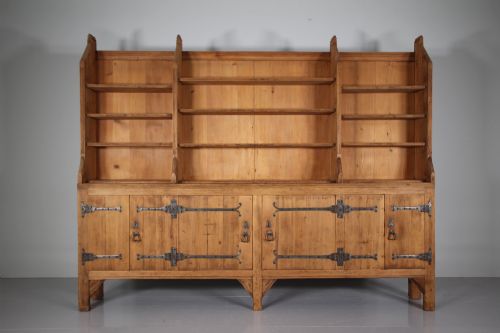
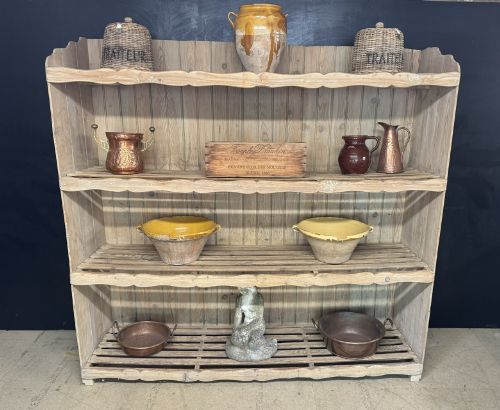
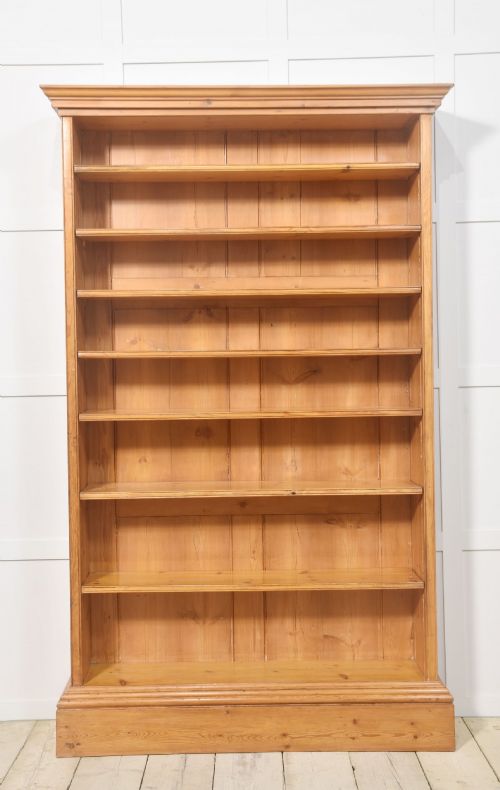
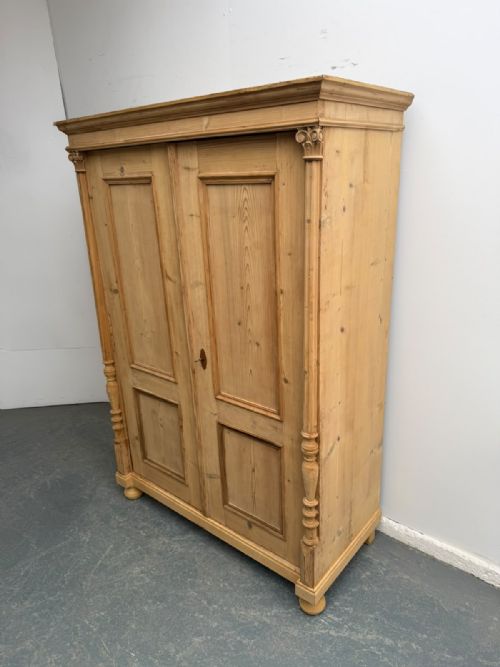
A large pine shelf encompasses generous storage units, open bookcases, and robust shelving units designed for practical domestic use. Buyers seeking a large pine shelf typically encounter nineteenth-century pieces alongside deal wood and softwood variations dating to nineteen-thirty.
The selection ranges from Victorian open bookcases and waxed bookshelves to French country bakers racks and rustic farmhouse dressers. These sturdy forms serve both functional storage and display purposes across domestic spaces.
Materials and construction
Makers utilised solid pine, deal wood, and softwood, occasionally combining these with wrought iron or oak elements for added structural integrity. Surfaces frequently display original paint or a waxed finish that protects the timber while highlighting the natural grain.
Construction methods prioritize durability and utility, resulting in adjustable shelving configurations, pigeon holes, and heavy-duty work tables. Carpenters shaped these practical pieces to withstand daily use in domestic and commercial environments.
Large Pine Shelf Retail Price Guide 2026
Typical asking prices for large pine shelf among the pieces listed under this phrase on Sellingantiques today, from the lower quarter to the upper quarter. They describe what is for sale here now, not the wider market.
Judging quality in pine furniture
Quality rests on the integrity of the timber, the honesty of the construction, and the preservation of original surfaces such as early paint or traditional wax. Pieces retaining functional adjustable mechanisms and sound joinery stand apart from simpler alterations.
The character of the wood grain and the weight of the solid pine dictate the overall presence of the unit. Finer examples maintain their original proportions and uncompromised structural form through generations of use.
The Large Pine Shelf Glossary
- Pine
- A softwood commonly utilised in traditional furniture making for its workability and strength. It forms the primary material for the majority of these storage units.
- Deal wood
- A trade term for fir or pine timber imported from northern Europe. It appears frequently in nineteenth-century utilitarian furniture.
- Waxed finish
- A protective treatment applied to timber surfaces to nourish the wood and produce a soft sheen. This traditional method preserves the natural tone of the pine.
- Pigeon holes
- Small compartments arranged in a grid for sorting papers or small items. They represent a specialised form of interior shelving found in desktop or cabinet units.
Large Pine Shelf: Frequently Asked Questions
How do I care for a waxed pine surface?
Maintain the timber by applying a traditional beeswax polish sparingly with a soft cloth. Buff gently to restore the natural lustre without building up excess residue.
Keep the piece away from direct heat sources and strong sunlight to prevent the softwood from drying out or splitting over time.
Are these shelves suitable for heavy books?
Solid pine and deal wood provide robust support for substantial volumes, particularly on designs featuring thick timber boards. Many period examples include adjustable shelf supports to accommodate varying book heights.
Check the thickness of the individual boards and the stability of the vertical uprights before loading heavy collections onto upper tiers.
How do I identify nineteenth century pine?
Examine the timber for deep patination, tool marks, and hand-cut joinery details that distinguish older pieces from modern reproductions. Nineteenth-century pine often displays a rich grain and minor wear consistent with extensive domestic use.
Older deal wood and softwood will show dry, seasoned surfaces that feel different from freshly milled timber.
Can I paint an antique pine bookshelf?
While many pieces survive in their natural waxed or painted state, some buyers choose to finish them to match contemporary interiors. Ensure any new paint adheres properly to older wax layers by thoroughly cleaning and preparing the surface first.
Using traditional breathable paints helps the softwood adjust naturally to room temperature changes.