
Large Ornate Mirror
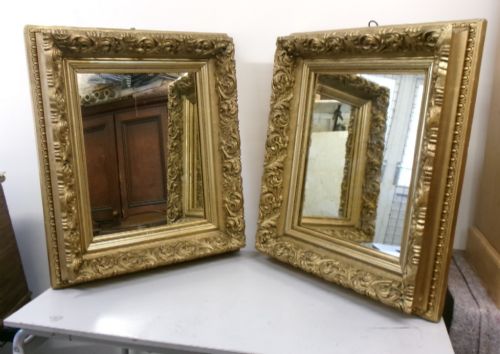
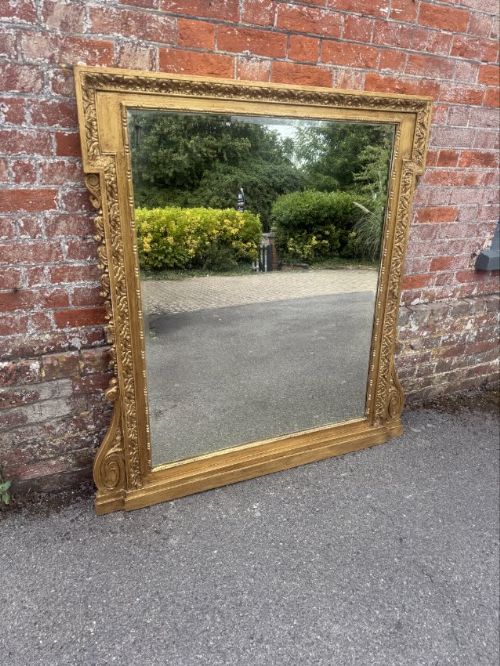
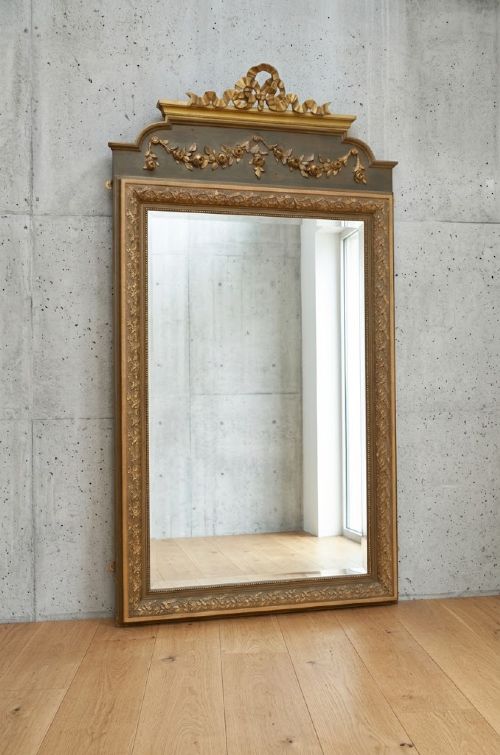
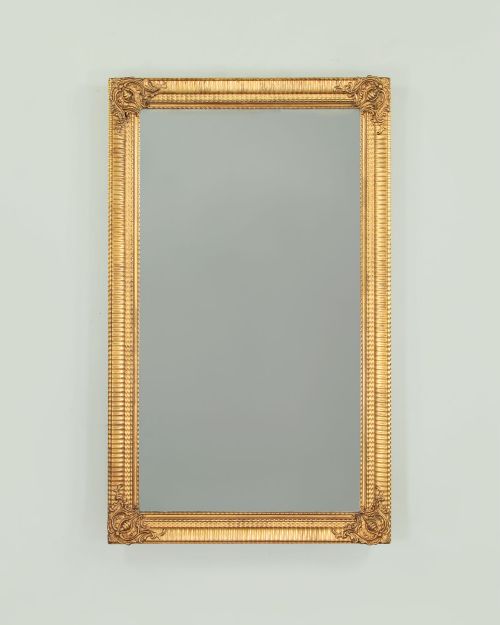
Large ornate mirror selections bring substantial nineteenth-century presence to rooms through heavily carved gilt frames and generous reflective glass.
Large Ornate Mirror
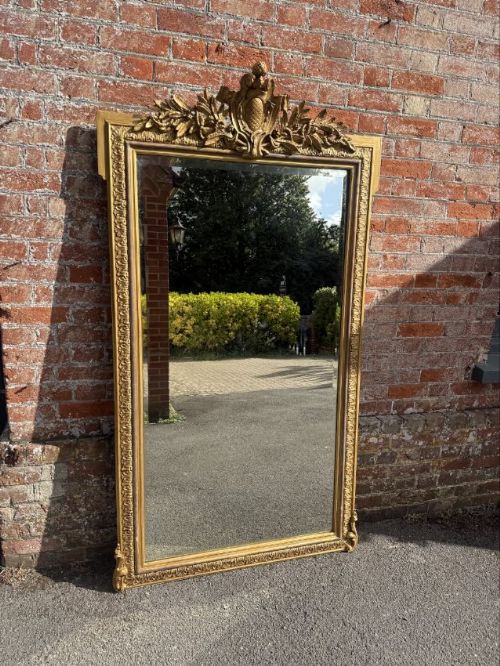
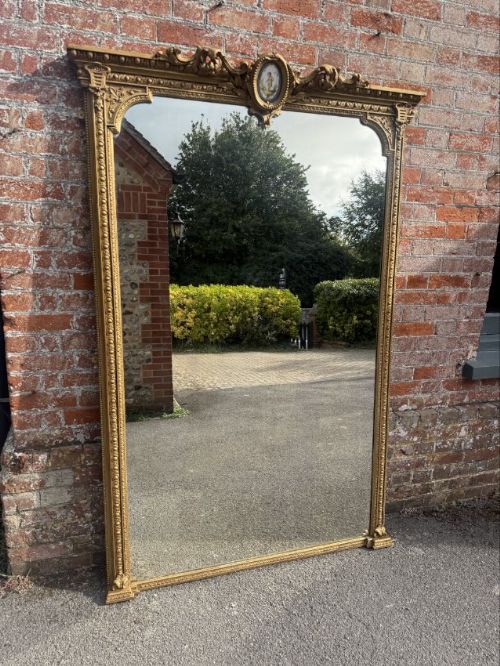
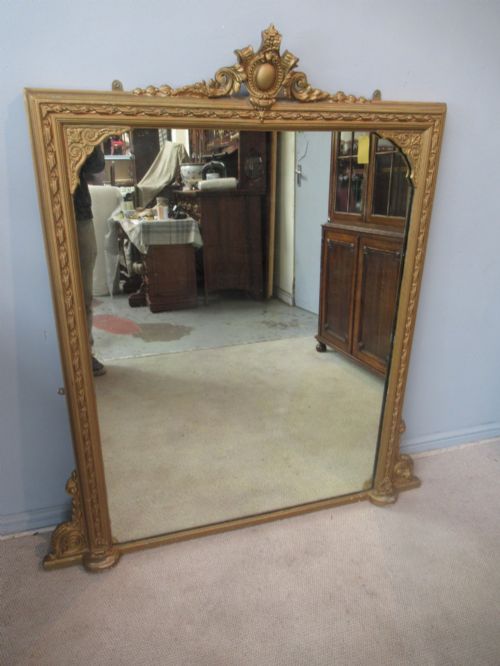
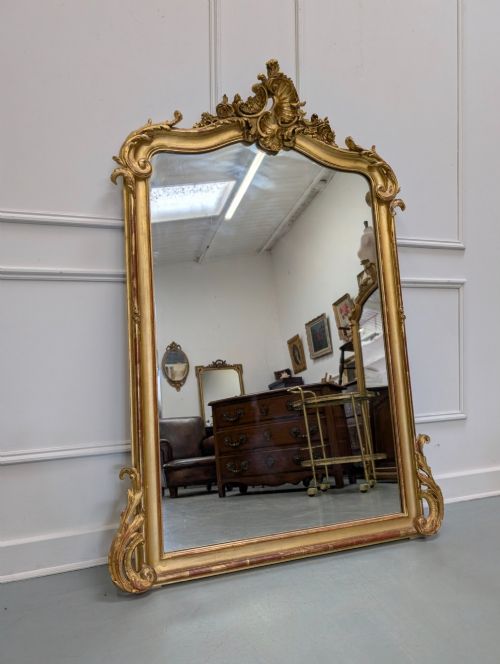
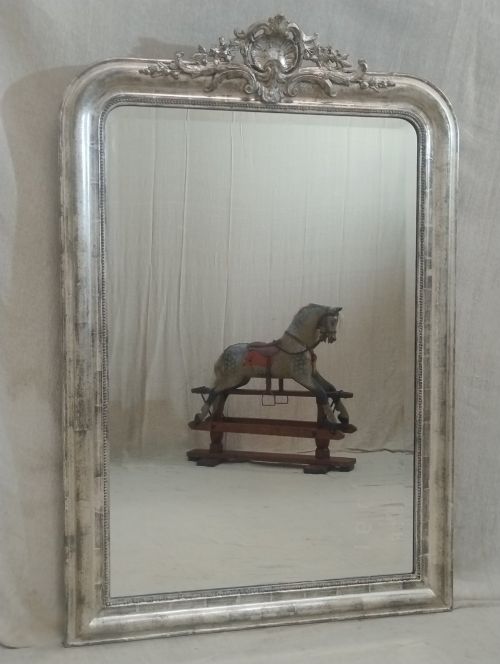
A large ornate mirror functions as a dominant decorative focus, historically positioned above mantelpieces or utilised as full-length leaner glasses within domestic interiors. These pieces originate predominantly from the nineteenth century, spanning Victorian, French Chateau, and Rococo Revival stylistic influences.
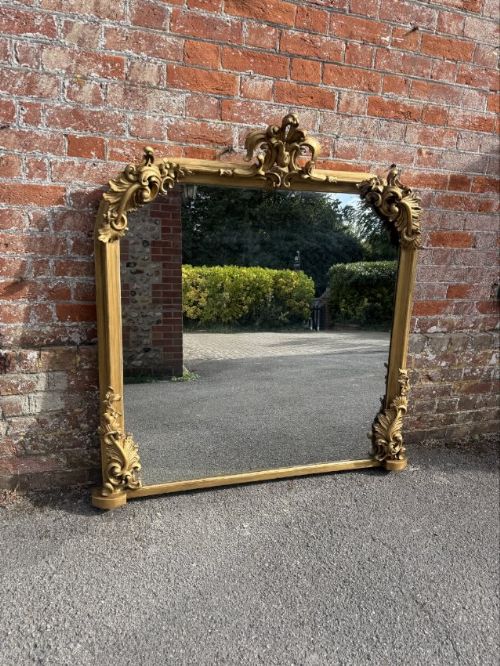
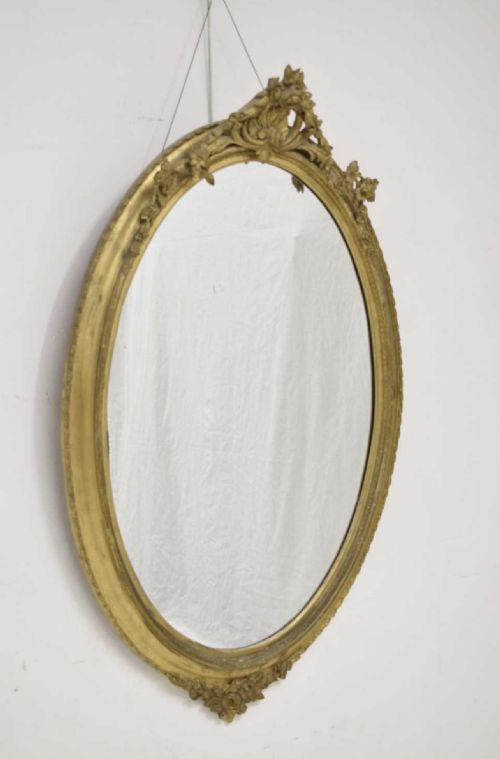
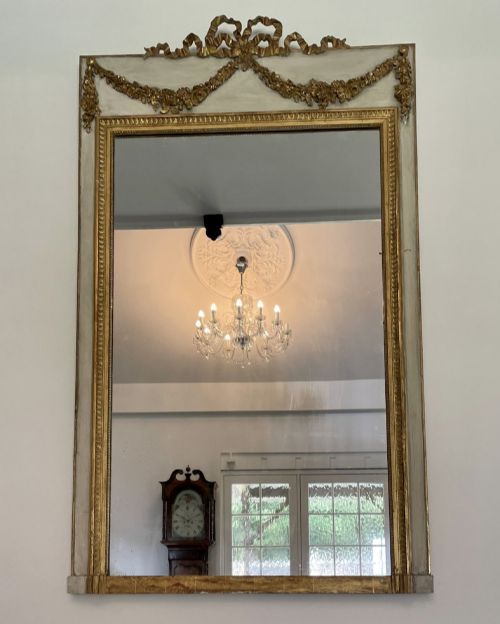
Overmantel mirrors dominate the available forms, shaped specifically to rest upon chimney breasts with arched, shaped tops, or rectangular formats. Alongside these, buyers encounter pier glasses, floor-standing leaner mirrors, and oval wall configurations rooted in English and French workshop traditions.
How They Were Made
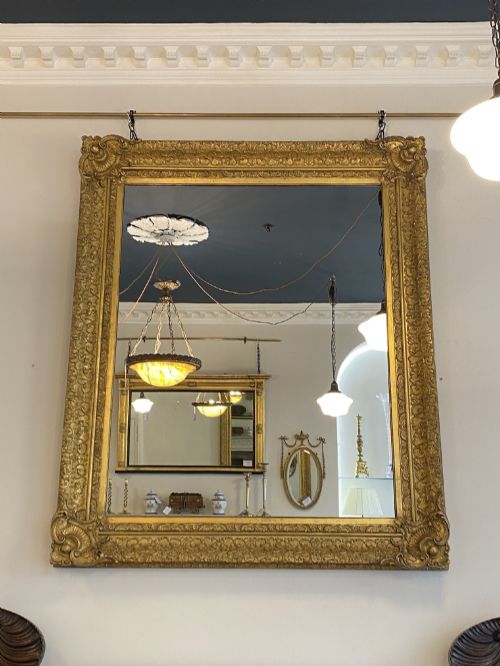
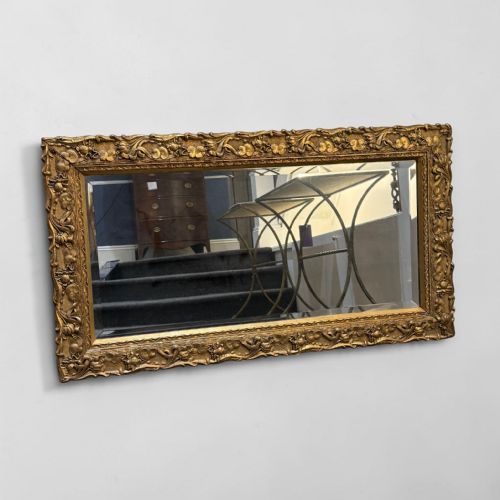
Makers constructed the structural frames using carved wood, frequently applying layers of gesso to build up high-relief scrollwork, foliage, and ribbon crests. Artisans then finished these surfaces with gold leaf, silver-gilt, or painted treatments.
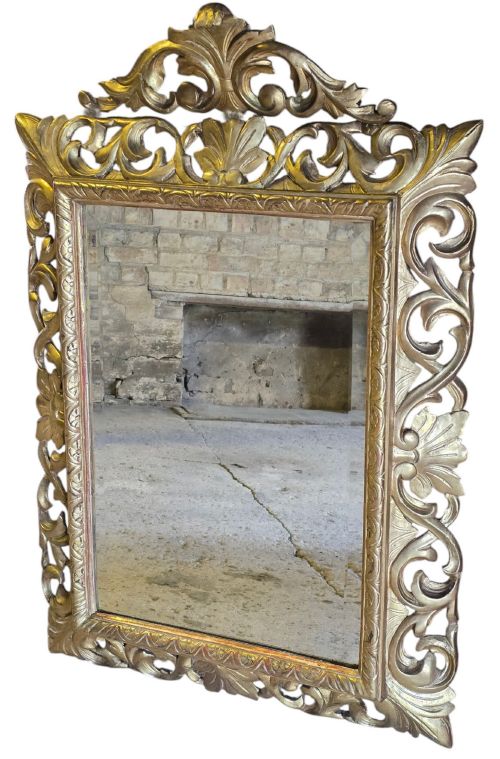
Reflective surfaces consist of heavy mirror glass fitted into the timber rebates, occasionally displaying natural foxing developed over decades. Composition ornament was also applied alongside hand-carved elements to achieve elaborate Rococo and Florentine motifs.
The selection includes nineteenth-century pieces from Victorian, French Chateau, and Rococo Revival traditions, utilising carved wood, gesso, and giltwood.
What Varies in Quality
Depth and crispness of the carving distinguish finer examples from simpler production, particularly where undercut wooden foliage meets smooth gesso grounds. The integrity of the original gilding or painted finish, rather than later repainting, determines historical authenticity.
Substantial timber construction and heavy original glass plates differentiate superior overmantels and leaner mirrors from lighter decorative alternatives. Frame joints and the retention of original backboards further indicate workshop standard.
The Large Ornate Mirror Glossary
- Gesso
- A plaster-like mixture applied to wooden frames and carved or moulded into intricate relief ornamentation before gilding.
- Giltwood
- Timber that has been coated with a thin layer of gold leaf, forming the characteristic metallic finish seen on antique frames.
- Overmantel mirror
- A wide mirror designed specifically to be hung or placed on the wall directly above a fireplace mantelpiece.
- Pier glass
- A tall mirror traditionally hung on the narrow section of wall between two windows, often paired with a pier table.
- Foxing
- Age-related spots and browning within the silvering of mirror glass, caused by chemical oxidation over a long period.
Large Ornate Mirror: Frequently Asked Questions
Where should an overmantel mirror be hung?
Overmantel mirrors are traditionally positioned directly above a fireplace mantelpiece, anchored securely to the wall to support their substantial weight.
They sit low enough to reflect the room rather than the ceiling, serving as a visual anchor for the interior scheme.
How do I use a leaner mirror?
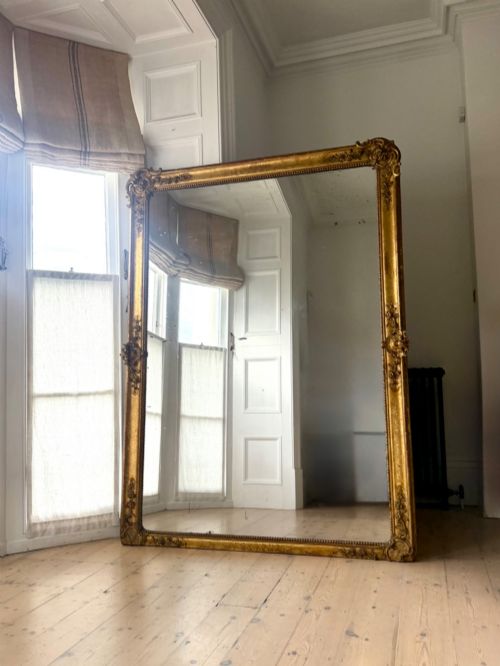
Leaner mirrors are tall plates designed to stand directly on the floor and lean against a vertical wall without hanging brackets.
This placement creates a sense of expanded depth in bedrooms or dressing spaces while displaying the full frame.
What defines Rococo Revival style?
Rococo Revival pieces feature asymmetrical scrolling, naturalistic floral motifs, and elaborate C-scrolls carved into the wood and gesso frame.
Popular during the nineteenth century, this style emphasises ornate curves over rigid geometric symmetry.
Are original mirror plates clear?
Original antique glass often exhibits minor imperfections, slight distortion, or foxing spots where the backing has aged.
These characteristics confirm the age of the glass and separate period plates from modern replacements.