





Large Marble Columns
Large marble columns bring architectural presence and sculptural weight to a room, offering a commanding focal point for display or illumination.
Large Marble Columns
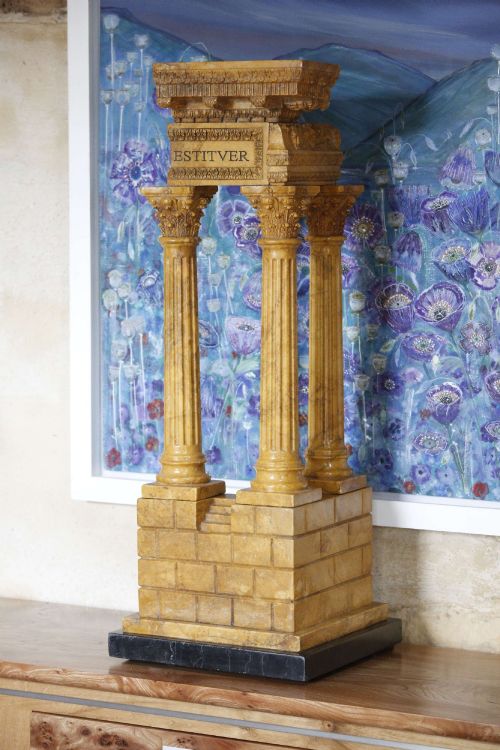
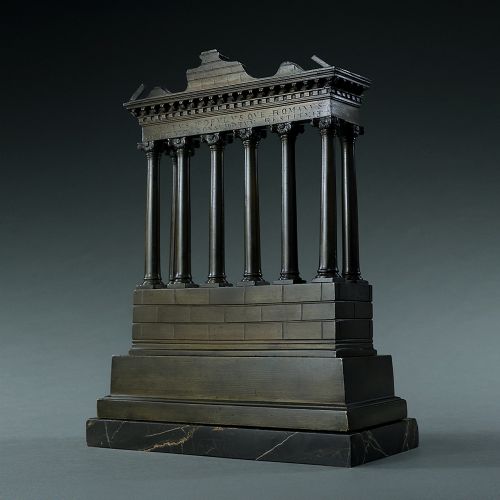
When you search for large marble columns, you enter a category defined by substantial decorative supports and display pieces spanning the nineteenth century.
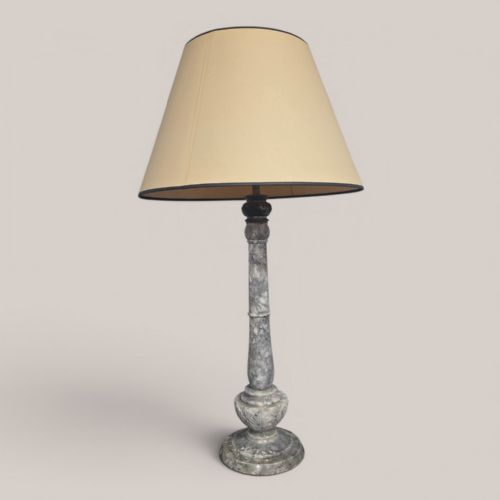
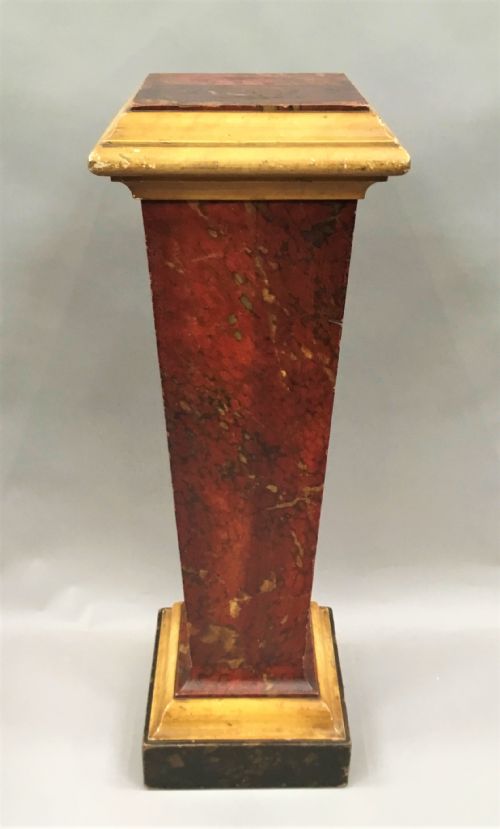
The selections here range from pedestals and plinths to mantel clocks and lamps incorporating stone shafts, drawing on Regency, Victorian, and French neoclassical styles.
Most examples date from the Victorian era and the nineteenth century, utilising genuine stone alongside scagliola and simulated marble finishes.
How they were made
Makers shaped heavy blocks of marble, slate, and serpentine, frequently mounting them with cast brass, ormolu, and bronze details.
Alternative surfaces were achieved through scagliola and painted faux finishes, applied to wooden or plaster cores to replicate solid stone.
Interiors often concealed mechanical movements for clocks or structural supports for rotating display tops.
Large Marble Columns Retail Price Guide 2026
Typical asking prices for large marble columns among the pieces listed under this phrase on Sellingantiques today, from the lower quarter to the upper quarter. They describe what is for sale here now, not the wider market.
Listings feature items from the Regency, Victorian, and early twentieth century periods, incorporating brass, slate, walnut, and glass.
What varies in quality
The distinction between standard examples and superior pieces lies in the crispness of the cast bronze mounts and the depth of the stone figure.
Refinement of proportion and the fidelity of the faux finish or scagliola technique dictate the visual success of each object.
Philippes Paris·Negretti & Zambra London
The Large Marble Columns Glossary
- Scagliola
- A composite material made from selenite, glue, and pigments, mimicking true marble. It was worked by hand to create convincing decorative columns and pedestals.
- Ormolu
- Gilded bronze used for decorative mounts and accents. High quality pieces show sharp chiselling after fire gilding.
- Serpentine
- A dark green mineral resembling marble, frequently utilised for bases and architectural details. It takes a high polish and provides heavy support.
- Faux marble
- A painted or treated surface imitating natural stone grain. Period examples retain original hand-finished techniques.
Large Marble Columns: Frequently Asked Questions
What were large marble columns used for?
These pieces served primarily as architectural supports, display pedestals for sculpture, or bases for heavy timepieces and lighting. They anchored formal room schemes in nineteenth century interiors.
Their substantial weight and presence allowed them to elevate ornamental objects or function as standalone decorative statements in hallways and reception rooms.
How do I tell genuine marble from faux finishes?
Examine the surface temperature and weight, as real stone feels cool to the touch and possesses inherent density. Close inspection under good light will reveal whether the grain is cut stone or painted plaster.
Scagliola and simulated finishes display distinct hand-applied patterns that differ from the natural veining of quarried marble.
How do I date a nineteenth century marble piece?
Look to the overall style, such as Regency lines or French rococo mounts, which reflect the prevailing design vocabulary of the period. The integration of materials like ormolu and bronze often points to specific manufacturing decades.
Maker signatures on associated metalwork or clock movements provide the most precise indication of the date of creation.