



Large Hearth Bucket
A large hearth bucket brings substance and warmth to a fireside, serving as a practical vessel for logs, coal, or kindling.
Large Hearth Bucket
A large hearth bucket is a robust vessel designed to hold fuel or function as a fireside accessory beside an open fire. When searching for a large hearth bucket, buyers encounter substantial metal vessels that have transitioned from utilitarian domestic duties to decorative interior pieces.
The selections span several distinct periods, with Georgian and Victorian examples dominating the offerings. These pieces often overlap in function and description with log bins, cauldrons, planters, and coal buckets.
Most items discovered here are formed from heavy gauge metals, frequently paired with iron handles or stands. Their robust proportions suit both period hearths and modern interior spaces functioning as planters or storage.
How they were made
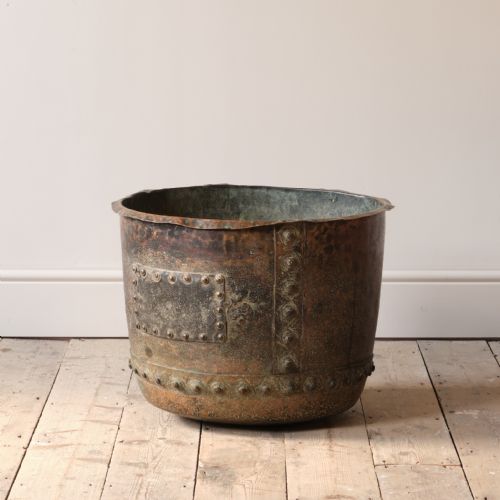
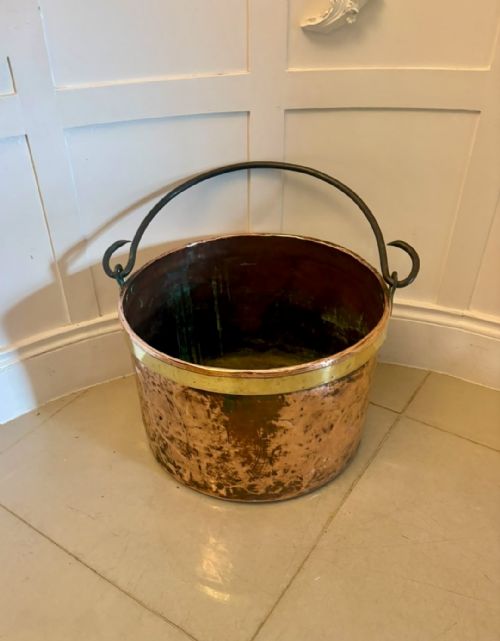
The construction relies heavily on durable metals, predominantly copper and brass, frequently reinforced with wrought iron or steel handles and frames. Makers joined heavier plates using visible hand-hammered rivets to ensure the vessels could withstand the weight of heavy timber and coal.
Many examples incorporate secondary materials such as oak, elm, or tin, adding structural stability to the main body. The surfaces display the natural marks of hand-beating, joining, and long-term domestic use rather than smooth machine finishing.
Large Hearth Bucket Retail Price Guide 2026
Typical asking prices for large hearth bucket among the pieces listed under this phrase on Sellingantiques today, from the lower quarter to the upper quarter. They describe what is for sale here now, not the wider market.
Current listings feature items spanning from the mid-eighteenth century through to the early twentieth century, incorporating Georgian, Victorian, and Arts and Crafts examples.
What varies in quality
The character of the surface patina significantly alters the visual appeal of each piece. Surviving examples with untouched, natural oxidation and original handles command stronger interest than those stripped or heavily polished.
The Large Hearth Bucket Glossary
- Patina
- The surface sheen and coloration developed through age, handling, and exposure to the atmosphere. This natural layer distinguishes authentic period items from modern reproductions.
- Cauldron
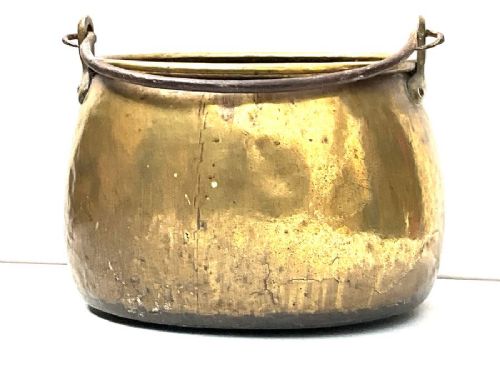
- A large round metal pot, often featuring a rounded base and a swinging handle. These deep vessels were adapted from kitchen and laundry use into fireside log containers.
- Riveted
- Joined together using metal pins hammered flat to secure overlapping sheets. This traditional method provides both structural strength and distinct visual texture.
- Perdonium
- A specialised type of coal scuttle or bucket designed for domestic hearth use. These often feature decorative brass or copper bodies intended to sit neatly in a Victorian drawing room.
- Verdigris
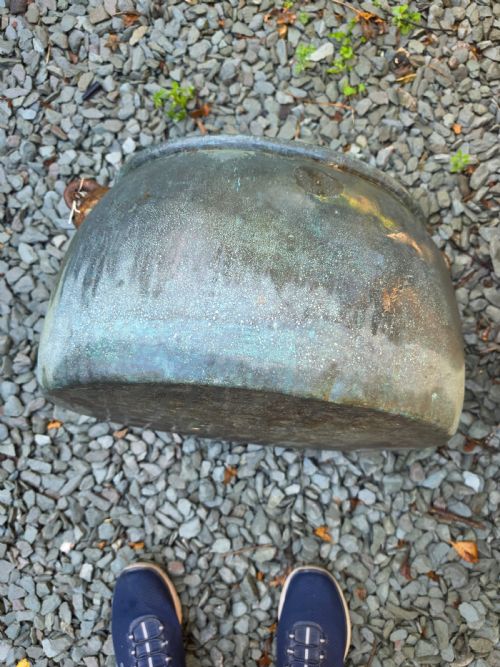
- The green patina that forms naturally on copper, brass, or bronze surfaces over time. It provides a distinct visual indicator of high copper content and atmospheric ageing.
Large Hearth Bucket: Frequently Asked Questions
How do I clean a copper hearth bucket?
Maintenance depends entirely on the desired appearance and the preservation of the metal's historic surface. Many owners prefer to leave the natural aged patina untouched.
If cleaning is necessary, a gentle wash with warm soapy water removes accumulated soot and dust without stripping away the historic character of the metal.
How do I tell a Georgian bucket from a Victorian one?
Georgian pieces often display simpler, heavier hand-beaten construction with restrained decoration and thick wrought iron swing handles. They frequently utilise heavier gauges of copper or brass.
Victorian examples sometimes introduce more elaborate shaping, mixed metals, or embellishments influenced by changing design movements such as the Arts and Crafts style.
Can I use an antique hearth bucket outside?
Many copper and brass vessels function effectively as garden planters or outdoor log stores. The durable metal withstands outdoor elements quite well.
Exposure to moisture will naturally accelerate the formation of verdigris and alter the existing surface appearance of the metal over time.