




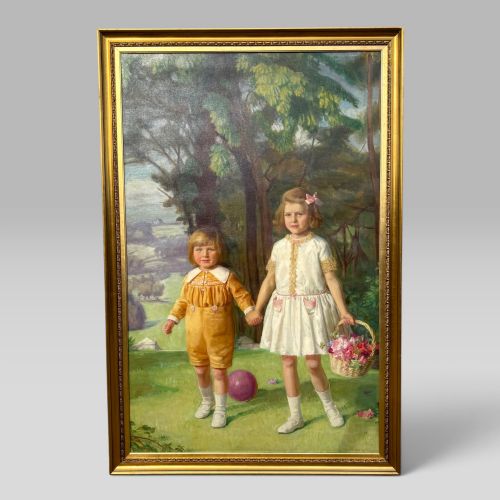
Large Gold Framed Art
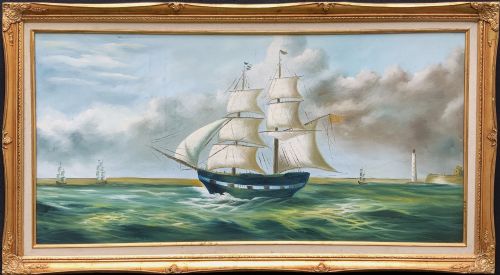
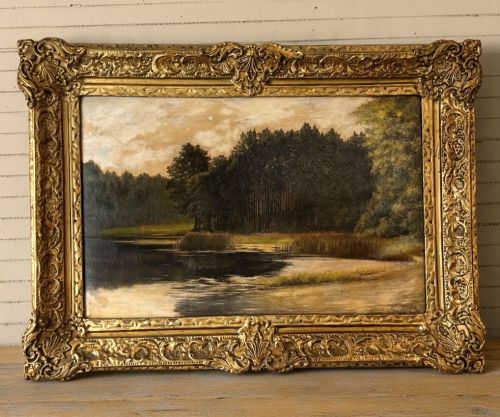
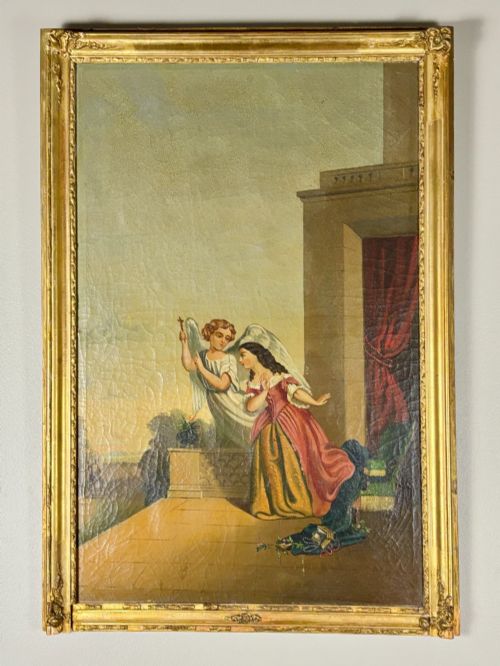
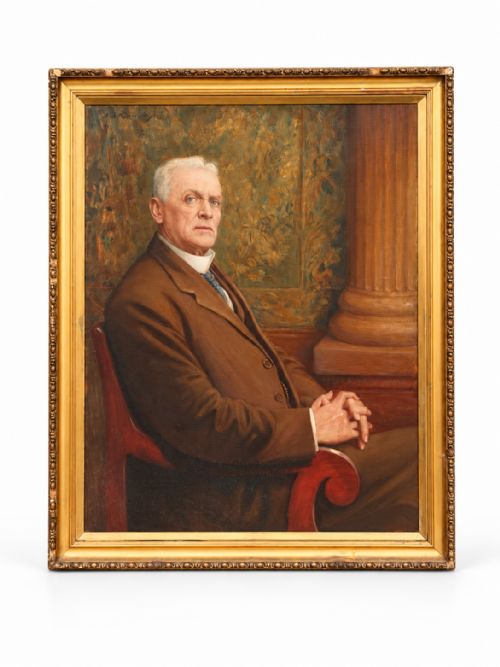
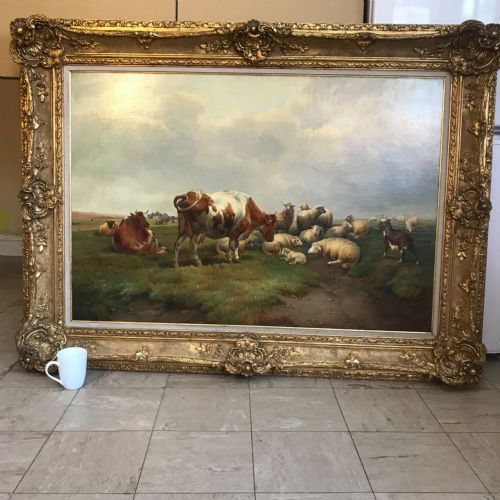
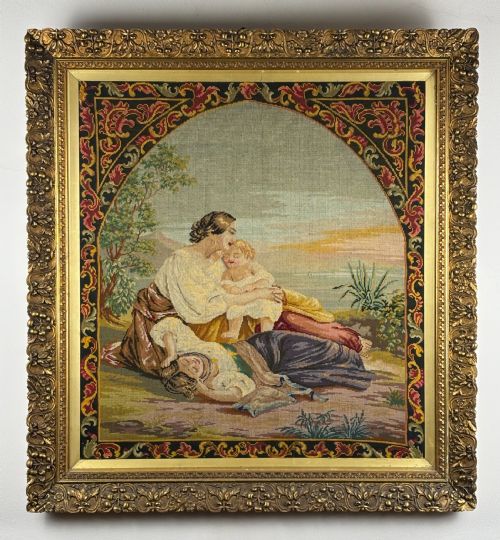
When you search for large gold framed art, you are looking at substantial paintings and framed works carried in heavy gilded surrounds.
Large Gold Framed Art
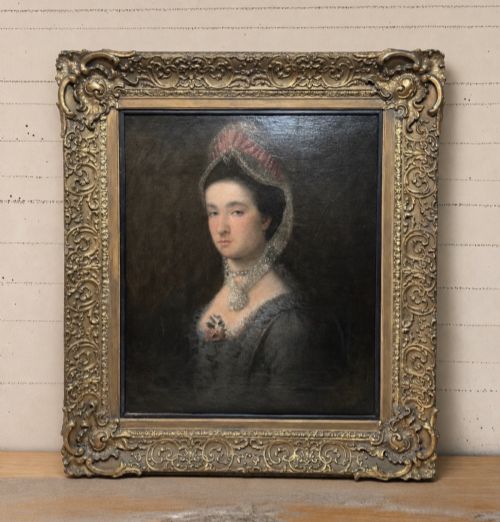
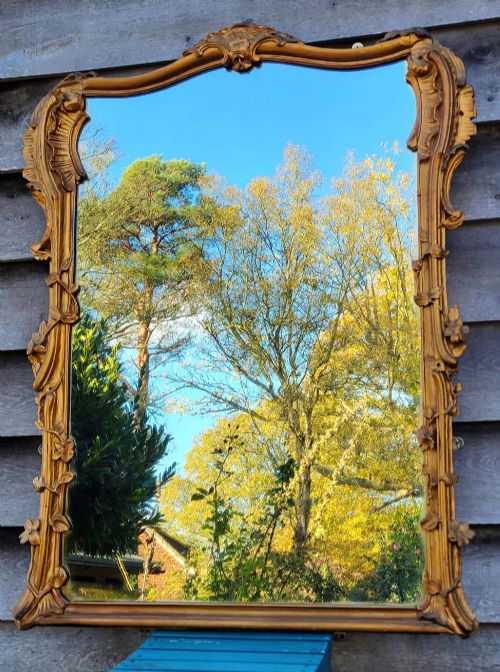
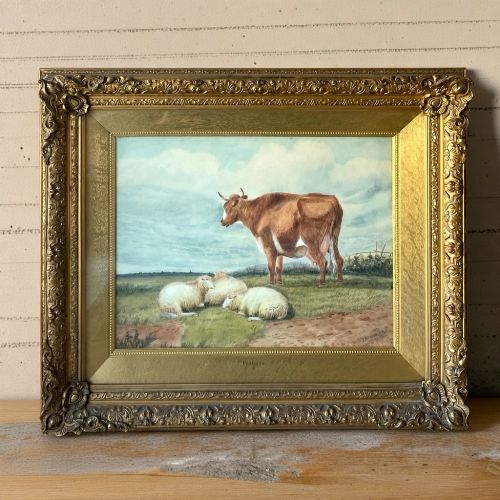
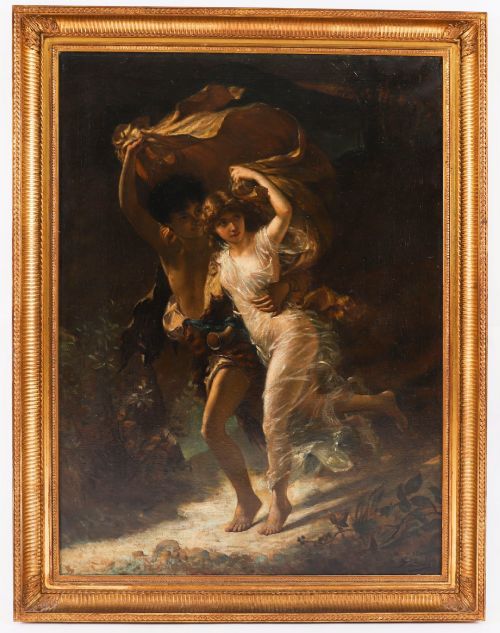
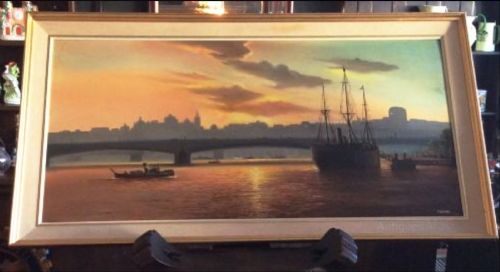
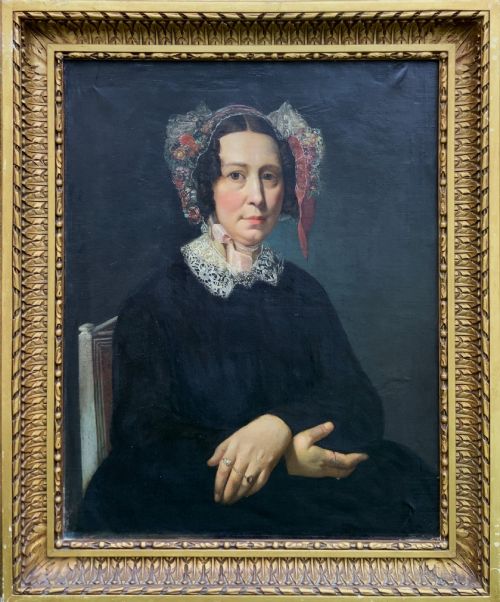
Large gold framed art primarily consists of oil paintings on canvas alongside watercolours, prints, and scrolls housed within ornate wooden or gesso surrounds. These pieces span multiple centuries, ranging from eighteenth-century portraits and mythological scenes to nineteenth-century sporting works and mid-twentieth-century landscapes.
The version you are most likely to meet on this page is a nineteenth-century or mid-twentieth-century oil painting on canvas. These works often depict figures, landscapes, or historical subjects enclosed within giltwood or gesso frames that match the scale of the canvas.
The selection encompasses diverse styles including Dutch school landscapes, Victorian animal and military scenes, and neoclassical portraiture. Each item uses its frame to define its boundary and project presence upon a wall.
How these works and frames were constructed
Painters applied oil pigments onto stretched canvas or wooden panels using brushes and palette knives, building up layers for depth in landscapes and portraits. Watercolours and prints utilised paper substrates, occasionally mounted behind glass within timber surrounds.
Frames were constructed from wood such as pine or oak, then layered with gesso, a mixture of chalk and binder, to create moulded ornamentation. Artisans applied thin sheets of gold leaf or gilt finish over the gesso, burnishing the surface to achieve a metallic sheen.
Large Gold Framed Art Retail Price Guide 2026
Typical asking prices for large gold framed art among the pieces listed under this phrase on Sellingantiques today, from the lower quarter to the upper quarter. They describe what is for sale here now, not the wider market.
Among the historical portraits and landscapes, a vintage horse painting waits with an ornate gilt frame.
What separates works within the range
Quality rests upon the skill of the artist in handling anatomy, perspective, and light, alongside the depth and preservation of the original gilt finish on the frame. Masterful brushwork and detailed composition elevate a painting above standard decorative workshop output.
The integrity of the frame matters just as much as the canvas, with hand-carved gesso ornamentation and original gilding representing superior craftsmanship compared to later replacements or machine-pressed plaster mouldings.
George F. Bird·Stuart Lloyd·Alfred Walter Bayes·George Armfield·Georges de La Tour·Donald Grant·Joshua Reynolds·William Powell Frith·Thomas Smythe·John Opie·James Hamilton·George Watson·Harold Knight·Erich Mercker·Robert Cleminson
The Large Gold Framed Art Glossary
- Giltwood
- Wood that has been coated with gold leaf or a gold-coloured metallic finish. This material is standard for high-end antique picture frames.
- Gesso
- A paint mixture consisting of a binder mixed with chalk, gypsum, or pigment, used to coat wood before gilding. It provides a smooth surface for relief ornamentation.
- Oil on Canvas
- Pigment suspended in drying oils applied to a woven fabric support stretched over a wooden frame. It is the predominant medium found across these listings.
- Neoclassical
- A Western cultural movement drawing inspiration from the art and culture of classical antiquity. Works in this style emphasise severe linear design and historical subject matter.
Large Gold Framed Art: Frequently Asked Questions
How do I hang a heavy gold framed painting safely?
Heavy works require robust wall fixings secured directly into masonry or timber studs rather than standard plasterboard hooks. Using steel wire rated well above the weight of the piece ensures stability.
Position the centre of the artwork at eye level to maintain correct visual balance within the room. Ensure the wall bracket distributes the load evenly across the structure of the frame.
What rooms suit large gold framed art best?
These prominent pieces function effectively in principal reception rooms, dining areas, and hallways where high ceilings accommodate their vertical or horizontal scale. Their reflective frames brighten darker walls and draw immediate focus.
Pairing them with period furniture enhances their historical character, though placing them in contemporary minimalist spaces creates a striking contrast.
How can I tell an antique gilt frame from a modern reproduction?
Antique frames show subtle signs of age such as fine craquelure in the gesso, minor wear on the high points of the gilding, and hand-tooled details. The underlying wood should appear dry and aged when viewed from the reverse.
Modern replicas often feature uniform, mass-produced polyurethane or plaster ornamentation without the depth and warmth of genuine hand-applied gold leaf.
How do I clean a giltwood frame without damaging the finish?
Dust the frame gently using a soft, dry ostrich feather duster or a clean artist brush to remove surface particles. Avoid applying water, chemical solvents, or commercial polishes, which can strip the delicate metallic leaf.
If stubborn dirt remains, consult a professional conservator rather than attempting aggressive cleaning methods that might flake the gesso.