



Large Glass Bell
A large glass bell protects fragile displays and captures light with a timeless clarity.
Large Glass Bell
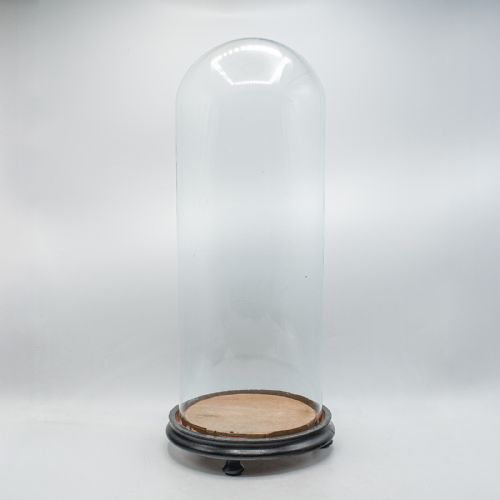
A large glass bell typically takes the form of a display dome or cloche, designed to cover and protect prized objects on a wooden base. These pieces span the Victorian and Edwardian eras, alongside occasional Georgian examples, serving both decorative and protective functions in a room.
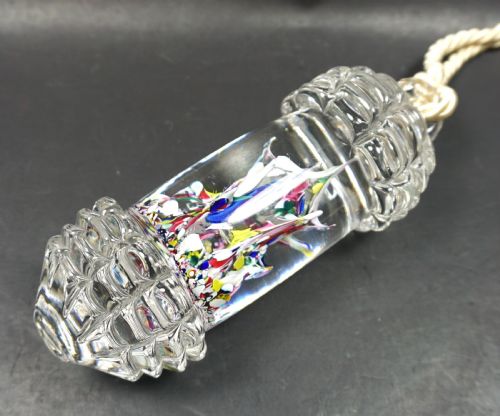
The versions most commonly met on this page include tall Victorian and Edwardian display domes intended for taxidermy or specimen showcases, often paired with ebonised wood bases. Other forms such as air twist wine glasses, bell pulls, and Holophane pendant lights also appear under this broad descriptor.
How they were made
Glass production for these domes involved blowing and forming clear glass or lead glass to create smooth, curved protective covers without modern machinery. Makers shaped the molten material by hand, resulting in subtle surface variations and bubbles characteristic of older methods.
Bases were constructed from timber, often ebonised wood, and frequently lined with fabric or velvet to provide a stable platform for delicate specimens, carriage clocks, or ornaments.
Large Glass Bell Retail Price Guide 2026
Typical asking prices for large glass bell among the pieces listed under this phrase on Sellingantiques today, from the lower quarter to the upper quarter. They describe what is for sale here now, not the wider market.
Object forms range from traditional taxidermy display domes and specimen showcases to pendant lights and glassware.
What varies in quality
The clarity and weight of the glass set individual pieces apart, with heavier lead glass offering a clearer view and greater substance. Thicker walls and minimal distortion within the blown dome indicate higher manufacturing skill.
The accompanying wooden base and internal fittings contribute significantly to the overall merit of the piece. Well-turned timber with original ebonised finishes or preserved velvet linings complements the glass canopy far better than crude or later replacements.
The Large Glass Bell Glossary
- Cloche
- A bell-shaped glass cover originally used in gardening to protect plants, later adopted for indoor displays. It sits directly on a surface or base to enclose delicate items.
- Lead glass
- Glass containing lead oxide, which increases brilliance, weight, and clarity. It produces a resonant ring when struck.
- Air twist
- A decorative stem technique in glassware where elongated air bubbles form a spiral thread inside the glass. This method requires considerable skill by the glassblower.
- Ebonised wood
- Timber treated with a dark stain or finish to imitate ebony. It provides a stark, dark contrast to clear glass domes and light specimens.
- Holophane
- A brand of scientific prismatic glass designed to direct and diffuse light efficiently. These pendant lights utilise patterned glass to reduce glare.
Large Glass Bell: Frequently Asked Questions
What were large glass bells used for originally?
Large glass bells served primarily to protect delicate decorative objects, clocks, and taxidermy specimens from dust and handling in period homes.
They also functioned as horticultural cloches in gardens or as specialised enclosures for scientific instruments and specimens.
How do I clean and care for a glass dome?
Dust the glass gently with a soft, dry cloth to prevent scratching the aged surface. Avoid harsh chemical cleaners that might damage old timber bases or fabric linings.
Lift the dome off its base using both hands when cleaning the interior rather than attempting to clean it while resting on fragile contents.
How can I tell a Victorian dome from an Edwardian one?
Victorian domes often accompany heavier taxidermy displays and deeper ebonised timber bases, reflecting the period's taste for dense interior decoration. Edwardian examples tend toward simpler lines and slightly lighter proportions.
Exact dating relies on minor construction details of the wooden base and the optical characteristics of the glass itself.
Can I display modern items under an antique glass bell?
Antique glass bells provide an ideal setting for contemporary sculptures, minerals, or personal collections, creating a striking visual contrast.
Ensure the internal dimensions and weight of the base suit the modern object you wish to enclose.