





Large Floral Wall Art
Large floral wall art brings scale and botanical presence to a room through oil on canvas, woven tapestries, mirrors and ceramics.
Large Floral Wall Art
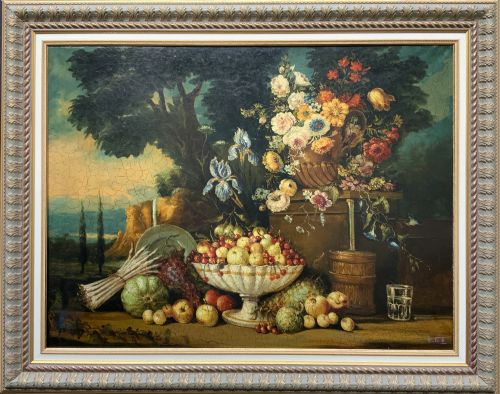
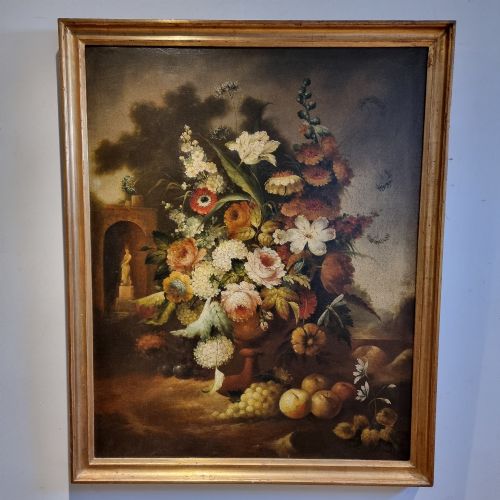
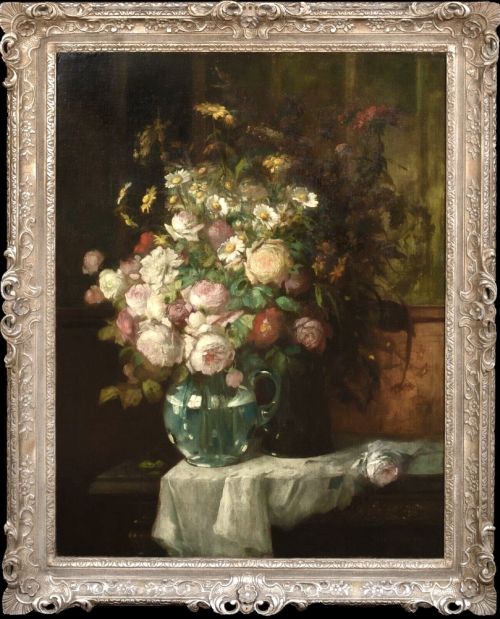
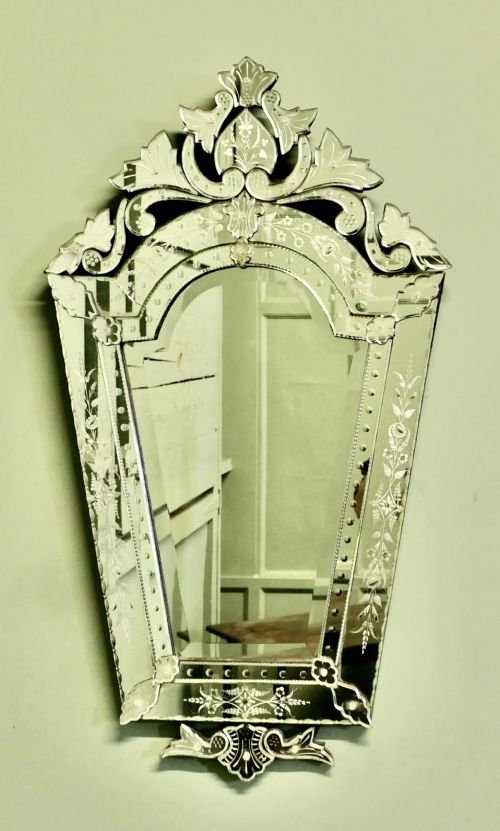
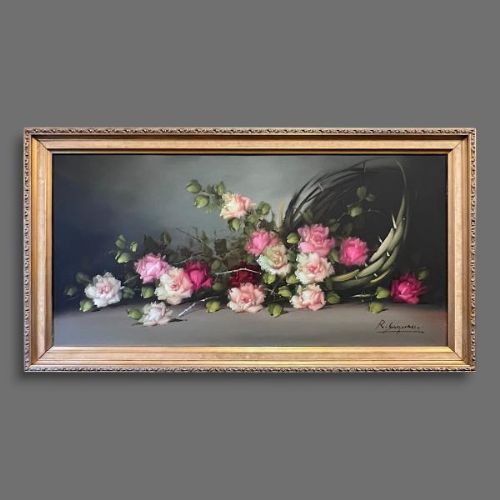
Large floral wall art encompasses substantial oil paintings, woven tapestries, mirrors and ceramic chargers created across the nineteenth and twentieth centuries. When searching for large floral wall art, buyers encounter oil on canvas still lifes, Impressionist floral displays and Dutch Baroque Revival compositions alongside French and Flemish tapestries and glazed pottery chargers.
The pieces span various decorative movements, including Art Deco, Edwardian, Mid-Century Modern and nineteenth-century impressionism. Works range from monumental seven-foot-tall Dutch-style still lifes to framed mirrors and woven wall coverings featuring botanical motifs.
Materials and construction techniques
Makers utilised traditional canvas supports stretched over wooden frames, applying oil paint with varied brushwork to render petals, foliage and still life arrangements. Gilded wood and painted panels provide framing and structural backing for many of the painted works.
Textile pieces employ wool and silk weaving techniques, seen in mille-fleurs tapestries and embroidered suzanis, while ceramic and glass works incorporate hand-painting, glazing and silvering on materials such as peach glass and delftware.
Large Floral Wall Art Retail Price Guide 2026
Typical asking prices for large floral wall art among the pieces listed under this phrase on Sellingantiques today, from the lower quarter to the upper quarter. They describe what is for sale here now, not the wider market.
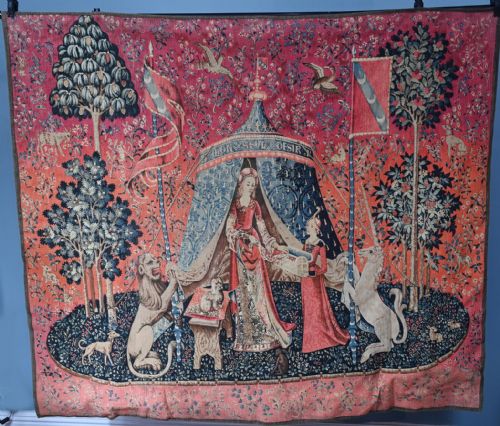
Unicorns occasionally graze quietly alongside botanical displays in the woven background of a French tapestry.
Evaluating quality in large botanical works
Quality reveals itself in the confidence of the brushwork, the depth of the pigment layering on canvas and the precision of the loom work in woven tapestries. Superior oil paintings demonstrate careful attention to light on floral petals and balanced composition across large surfaces.
For ceramics and glass, the crispness of the painted geometric and floral glazes determines the visual strength of the piece. In mirrors and frames, the integrity of the gilded wood and the clarity of the glass surface set finer examples apart.
Konstantin Stoitzner·Amile Coppieters·Julien Stappers·Fred Merriman·Thomas Bromley Blacklock·Charlotte Rhead·Bela Balogh
The Large Floral Wall Art Glossary
- Still life
- An artwork depicting inanimate subject matter, typically featuring natural objects such as fruit, flowers and banquet items. These compositions allow artists to focus on colour harmony and texture.
- Mille-fleurs
- A French term meaning thousand flowers, describing a background style consisting of many small, distinct plants and flowers. It is commonly found in medieval and Renaissance tapestries.
- Impressionism
- A nineteenth-century painting style characterised by relatively small, thin yet visible brush strokes and an emphasis on accurate depiction of light. Works in this style capture the transient effects of illumination on flowers.
- Giltwood
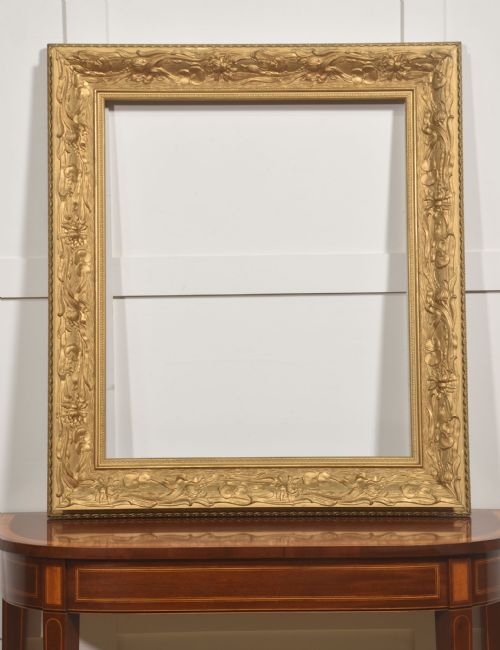
- Wood that has been treated with gold leaf or gold paint to give a metallic, decorative surface finish. It appears frequently on picture frames and decorative mouldings.
- Charger
- A large decorative plate or dish used traditionally for ceremonial purposes or displayed upright on walls and dressers. Many examples feature hand-painted floral and geometric patterns.
- Verdure tapestry
- A type of woven wall hanging featuring a stylized landscape dominated by green foliage, trees and sometimes animals. These large textiles provide substantial wall coverage.
Large Floral Wall Art: Frequently Asked Questions
How do I hang a heavy oil painting safely?
Substantial oil on canvas works require picture wire or D-rings rated for the specific weight of the canvas and wooden stretcher frame. Fixing the hanging hardware directly into wall studs ensures secure support for large formats.
For exceptionally large pieces or tapestries, batten mounting distributes the load evenly across the wall surface rather than relying on a single central hook.
What is the difference between a tapestry and an oil painting?
A tapestry is a textile artwork woven on a loom using threads of wool, silk or other fibres to build up a pictorial design. An oil painting is created by applying pigment suspended in drying oil directly onto a prepared canvas or wooden panel.
While both offer significant visual scale for walls, tapestries introduce soft acoustic texture and woven warmth, whereas paintings provide sharper detail and fluid brushwork.
How should I care for an antique woven wall hanging?
Antique tapestries and embroidered textiles benefit from gentle brushing with a soft-bristled brush to remove surface dust. Direct sunlight should be avoided to prevent fading of the wool and silk threads over time.
Professional conservation cleaning is recommended periodically to maintain the fibre integrity of large historical wall coverings.
Where do Dutch style still lifes fit in a room?
Large floral still lifes painted in the Dutch Baroque style work effectively as focal points above mantelpieces, sideboards or dining tables. Their dark backgrounds and rich botanical details create strong contrast against neutral interior walls.
Pairing these dark compositions with traditional wooden furniture or contemporary minimalist spaces creates a deliberate balance of scale and texture.