




Large Chinese Ceramic Jars
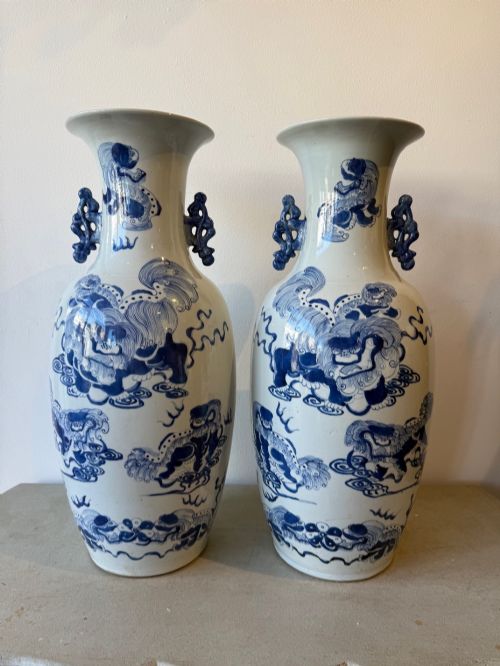
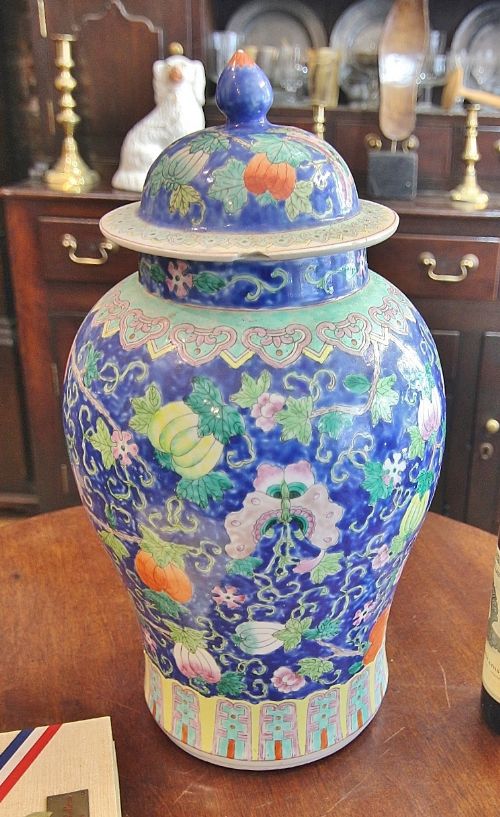
Large chinese ceramic jars command attention in any room, offering striking proportions and centuries of artistic tradition.
Large Chinese Ceramic Jars
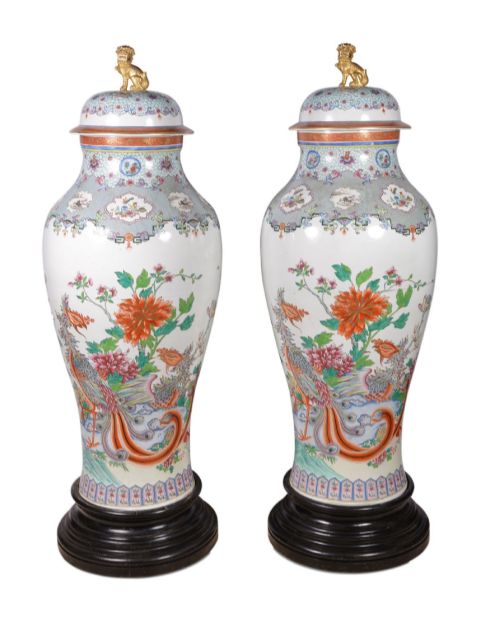
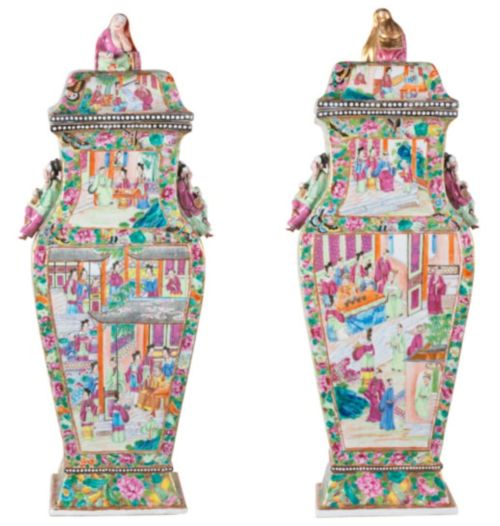
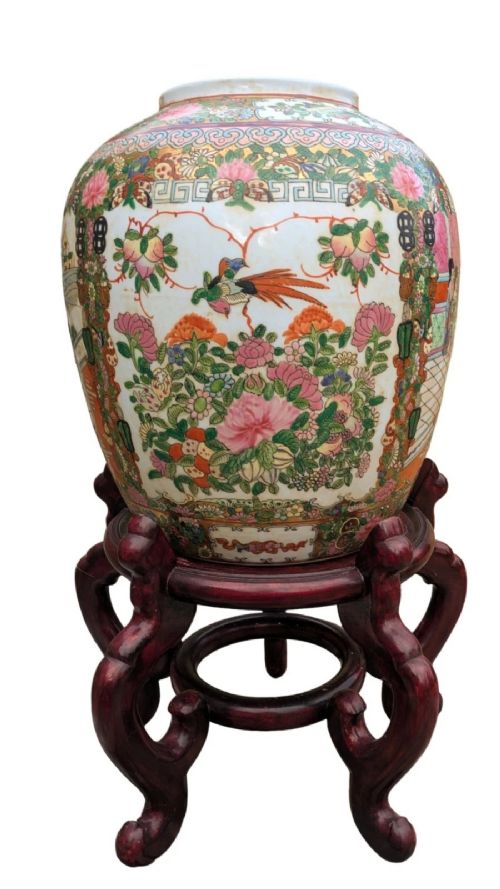
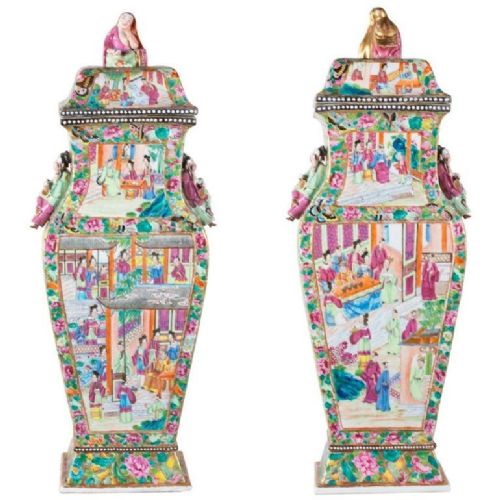
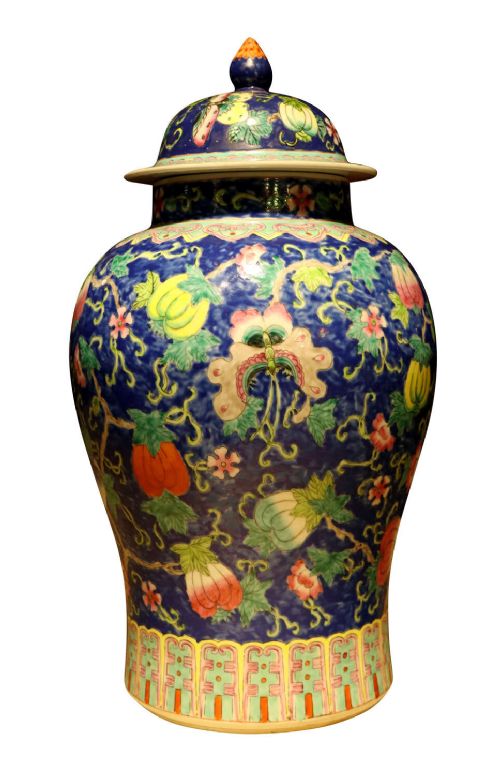
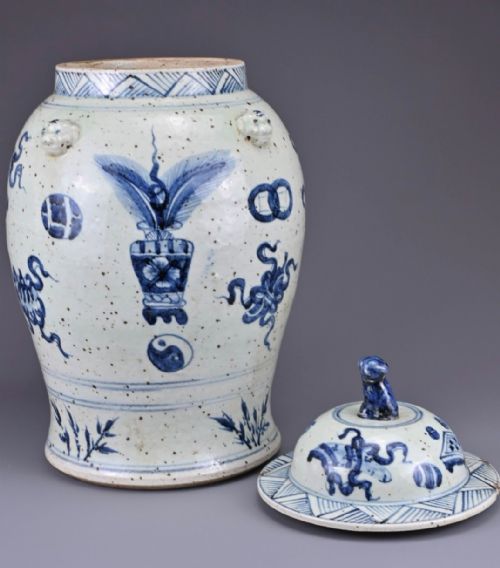
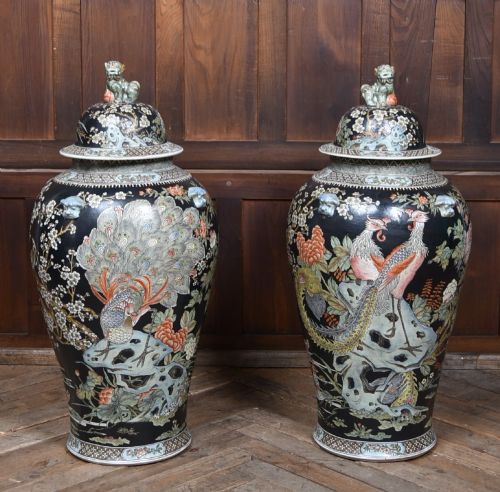
Large chinese ceramic jars encompass monumental floor vases, double-gourd vessels, and covered ginger jars spanning the eighteenth, nineteenth, and twentieth centuries. These impressive containers display diverse influences ranging from Qing Dynasty imperial designs to Chinoiserie aesthetics and Edwardian interpretations.
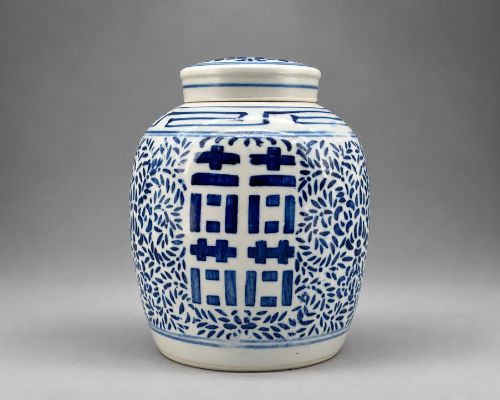
Buyers frequently encounter nineteenth-century blue and white porcelain pieces featuring traditional dragon motifs, lotus patterns, and Double Happiness symbols. Pairs of palace floor jars and converted lamp bases also appear regularly among the available selections.
The objects carry distinct cultural histories, moving from functional storage vessels in earlier eras to decorative centrepieces commissioned for grand interiors and export markets.
Materials and Construction
Potters utilised fine ceramic and porcelain bodies, applying cobalt pigment beneath transparent glazes to achieve the classic blue and white decoration characteristic of many vessels. Enamel pigments in Famille Rose and Rose medallion pieces were added over the glaze in subsequent firings to introduce vibrant colour palettes.
Selected examples incorporate additional elements such as carved wood bases or brass fittings, particularly when vessels have been adapted into table lamps during later periods.
Large Chinese Ceramic Jars Retail Price Guide 2026
Typical asking prices for large chinese ceramic jars among the pieces listed under this phrase on Sellingantiques today, from the lower quarter to the upper quarter. They describe what is for sale here now, not the wider market.
Listings feature porcelain vessels decorated with cobalt blue pigment, celadon glazes, and polychrome enamel highlights across the nineteenth and twentieth centuries.
Distinguishing Quality in Ceramic Jars
Quality rests in the precision of the hand-painted decoration, where fluid brushwork on motifs like dragons and lotus scrolls reveals the skill of the artisan. The depth and clarity of the cobalt glaze beneath the finish further separates standard production from finer imperial or export commissions.
Proportion and scale dictate the visual impact of each vessel, with monumental floor vases and heavily potted jars demonstrating greater technical mastery in surviving the firing process without distortion.
The Large Chinese Ceramic Jars Glossary
- Qing Dynasty
- The final imperial dynasty of China, lasting from sixteen forty-four until nineteen twelve, renowned for sophisticated porcelain production.
- Ginger Jar
- A broad-shouldered ceramic vessel originally designed for spices and salt, later adopted for decorative display in western interiors.
- Cobalt Glaze
- A blue mineral pigment applied to ceramic bodies before firing, capable of withstanding high temperatures to create permanent cobalt decoration.
- Famille Rose
- A palette of opaque enamel colours introduced in the eighteenth century, dominated by pink hues derived from colloidal gold.
- Double-Gourd
- A vessel shape resembling two stacked spheres, symbolising fortune and auspicious energy in traditional Chinese culture.
Large Chinese Ceramic Jars: Frequently Asked Questions
How were large Chinese jars originally used?
Many large ceramic vessels served practical roles for storage in domestic or commercial settings, while finer covered jars held commodities like ginger and tea for export.
Over time, grander pieces functioned primarily as decorative floor items or palace ornaments to signal status and wealth.
How do I care for antique ceramic jars?
Dust the exterior gently with a dry, soft cloth and avoid chemical cleaners that might damage the surface glaze or enamel decoration.
Position the vessels away from direct sunlight and areas subject to sudden temperature fluctuations to protect the ceramic body.
Can I use these jars as table lamps?
Several pieces arrive adapted with electrical fittings while retaining their original ceramic bodies and painted decoration.
Buyers often select these converted lamp bases to introduce substantial height and traditional patterns into domestic lighting schemes.
How are different periods identified?
Examination of the painting style, potting technique, and glaze characteristics helps distinguish nineteenth-century production from earlier Qing Dynasty examples.
Certain pieces incorporate reign marks or stylistic nods to earlier reigns, though these require careful comparison with established design conventions.