




Large Ceramic Table Lamp
When you search for a large ceramic table lamp, you find substantial vessels mounted for lighting, carrying history into a modern room.
Large Ceramic Table Lamp
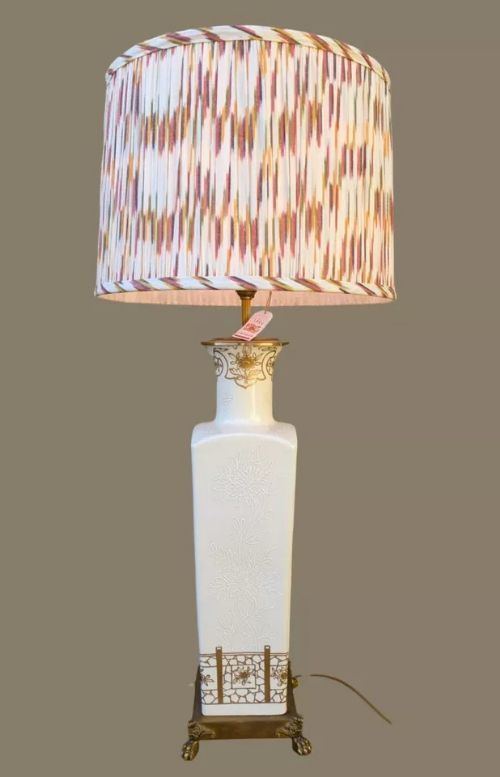
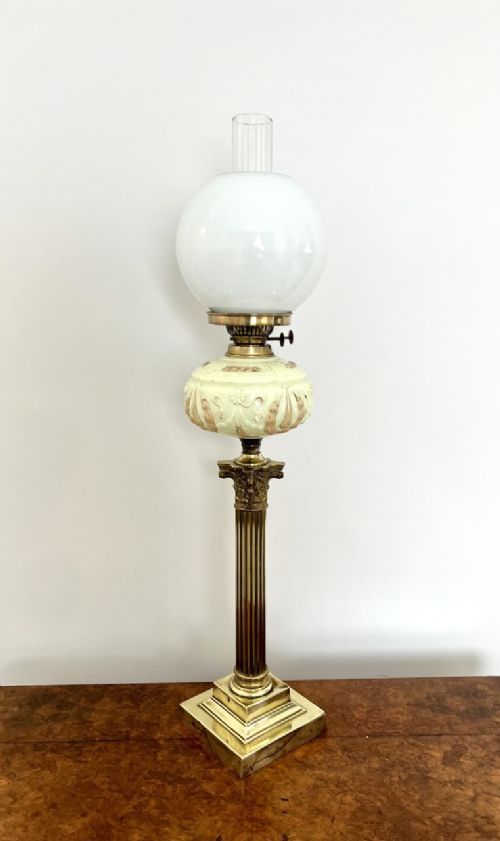
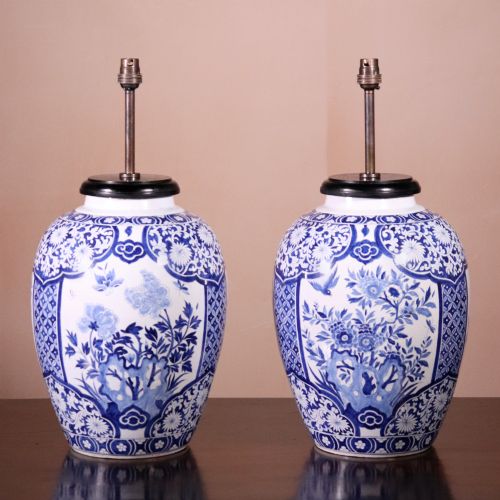
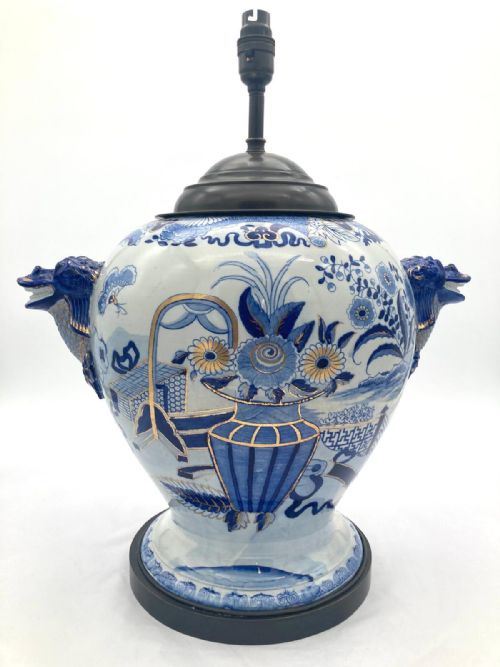
A large ceramic table lamp brings presence to a room, often taking the form of a converted oil lamp or a decorative vase adapted for lighting. These pieces span the nineteenth century and the early twentieth century, drawing on diverse aesthetic traditions including Victorian design and Chinese export styles.
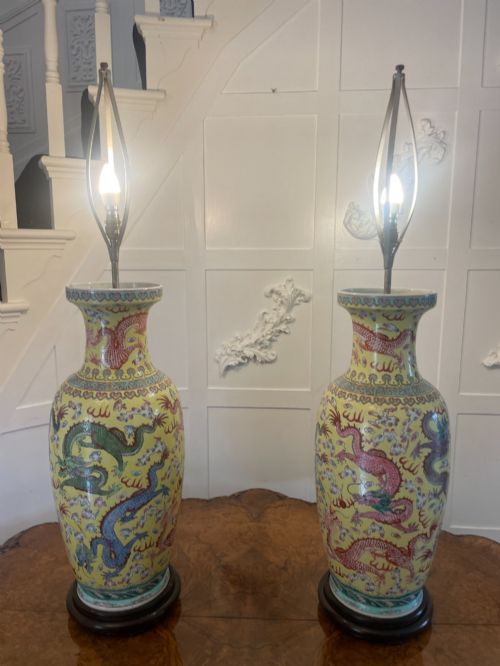
The version you are most likely to meet on this page is a converted nineteenth-century oriental porcelain or ceramic vase, frequently paired with brass or gilt bronze mounts. Makers adapted these substantial vessels to hold electrical fittings while retaining their hand-painted or glazed surfaces.
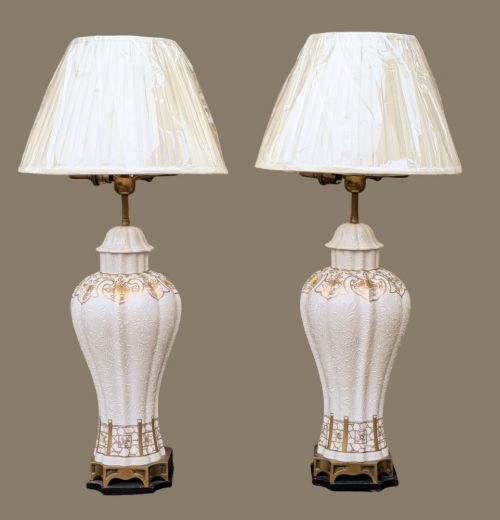
Examples range from blue and white jars to Satsuma, Imari, and Paris porcelain vessels. Many survive as matched pairs, offering symmetry for a sideboard or large console table.
Materials and technique
Makers utilised high-fired ceramic, porcelain, and ironstone as the primary bodies for these lamps, shaping vessels on the wheel or in moulds before applying intricate painted decoration. Enamel, underglaze blue, and gilt highlights define the surface work across Chinese, Japanese, and European examples.
Metal components such as brass, gilt bronze, and ormolu were cast and hand-chased to mount the ceramics securely, forming collars, bases, and burner assemblies. Fabric elements and wired fittings were added during conversion or later updating to accommodate modern electrical standards.
Large Ceramic Table Lamp Retail Price Guide 2026
Typical asking prices for large ceramic table lamp among the pieces listed under this phrase on Sellingantiques today, from the lower quarter to the upper quarter. They describe what is for sale here now, not the wider market.
Listings feature porcelain, brass, and gilt bronze materials across nineteenth-century and Regency periods.
Qualities that distinguish the best examples
The distinction between ordinary and exceptional lamps rests on the crispness of the ceramic body and the artistry of the hand-painting. Superior pieces display finely detailed brushwork, rich glaze depth, and well-proportioned decorative motifs that command attention without feeling crowded.
Integration of the metal mounts plays a major role in the overall success of the piece. High-quality mountings fit the ceramic contours precisely, using chased brass or gilt bronze that complements the glaze rather than overpowering it.
The Large Ceramic Table Lamp Glossary
- Chinoiserie
- European interpretation and imitation of Chinese and East Asian artistic traditions, popular in decorative arts and furniture.
- Satsuma
- Japanese earthenware pottery characterised by a ivory-coloured crackle glaze decorated with enamel and gilt.
- Ormolu
- Gilded bronze or brass applied to decorative objects, mounts, and furniture, common in nineteenth-century luxury pieces.
- Famille rose
- A palette of Chinese porcelain enamels dominated by opaque pink or rose, introduced during the Qing dynasty.
- Imari
- Japanese porcelain decorated in underglaze blue and contrasting enamel colours of iron red and gold.
Large Ceramic Table Lamp: Frequently Asked Questions
How do I choose the right lampshade?
Consider the height and visual weight of the ceramic base when selecting a shade. A wider base requires a proportional shade to balance the silhouette.
Ensure the fitting matches the harp and spider hardware already installed on the lamp neck.
Were these lamps originally made for electricity?
Most nineteenth-century examples began life as oil lamps or decorative vases before conversion. Artisans drilled the ceramic or adapted the existing burner mounts to run internal wiring.
This conversion process preserves the decorative value of the antique vessel while allowing modern use.
How should I clean a painted ceramic lamp?
Dust the surface regularly with a soft, dry cloth to prevent grime accumulation on the glaze. Avoid harsh chemical cleaners that might damage nineteenth-century enamel or gilt details.
Take care around metal mounts to prevent tarnishing agents from touching the ceramic body.
Can I find matching pairs easily?
Many listings feature matched pairs of vases converted into lamps, particularly from nineteenth-century Chinese and Japanese workshops. These pairs offer balanced placement for large sideboards or mantlepieces.
Single lamps also appear frequently for accent lighting in smaller spaces.