

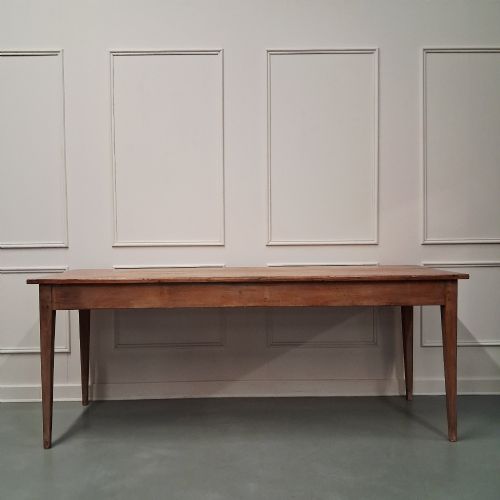
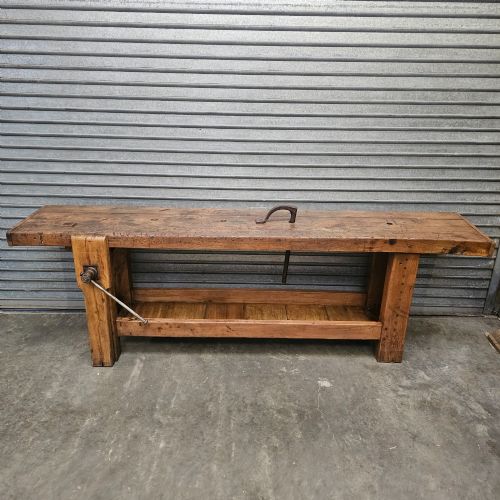

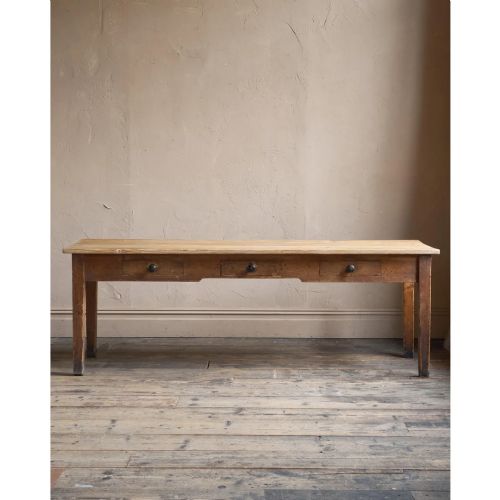
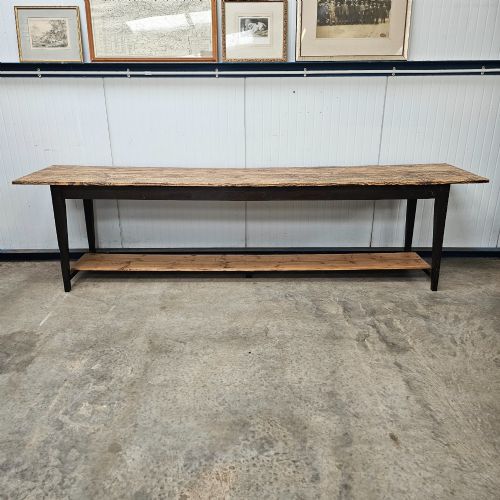
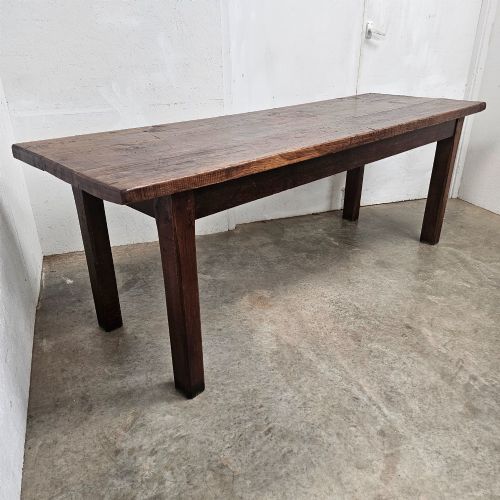


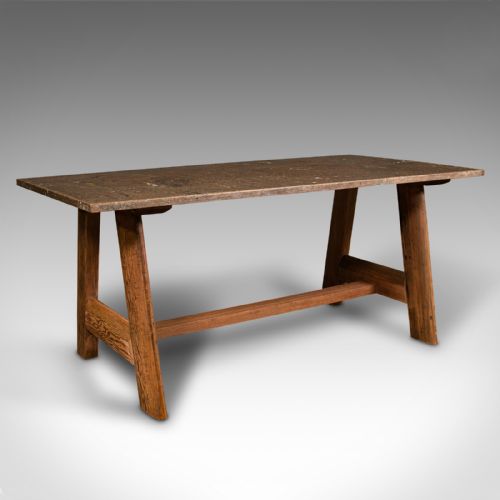
Large Workbench
A large antique workbench brings honest working history into a modern room, offering massive utility and deep character.
Large Workbench
A large antique workbench serves as a commanding centrepiece, bridging heavy-duty utility and domestic furniture. When you search for a large antique workbench, you encounter substantial tables originally built for trades, kitchens, and workshops rather than formal dining.
The pieces listed here span the nineteenth century, nineteen-ten, nineteen-twenty, and the Edwardian era. Forms range from dedicated workbenches and harvest tables to scullery tables, cheese press tables, tavern tables, and industrial steel tables.
Origins represented on this page include English, French, and Scandinavian examples, alongside rustic farmhouse, industrial, and provincial styles. These tables typically feature robust construction designed to endure decades of heavy physical labour.
How they were made
Construction relies heavily on durable timbers such as oak and solid pine, selected for their structural strength and resilience under pressure. Thick wooden tops provide the heavy mass required for traditional craft and food preparation.
Many examples incorporate secondary materials like iron and steel for structural reinforcement, hinges, and industrial framing. Painted finishes frequently appear on pine and industrial surfaces, offering protection and distinct visual patination over the wood.
Large Workbench Retail Price Guide 2026
Typical asking prices for large workbench among the pieces listed under this phrase on Sellingantiques today, from the lower quarter to the upper quarter. They describe what is for sale here now, not the wider market.
Current listings feature pieces built from oak, pine, iron, and steel across the nineteenth century, nineteen-ten, nineteen-twenty, and the Edwardian period.
What varies in quality
Quality rests primarily in the integrity of the timber and the depth of natural patination accumulated through active service. Dense, thick-topped oak and well-seasoned pine command attention for their structural permanence and honest surface wear.
Proportion and scale dictate the visual weight of the piece, with longer examples requiring balanced underframes and sturdy legs. The distinction between a utilitarian workshop survivor and a refined country house table lies in the harmonious restraint of its joinery.
The Large Workbench Glossary
- Patina
- The surface sheen and colour developed through years of handling, polishing, and natural wear. It marks the age and genuine history of the timber.
- Scullery table
- A heavy utilitarian table used in domestic back-kitchens for food preparation and washing tasks. These pieces usually feature scrubbed tops and practical drawers.
- Harvest table
- An elongated dining or work table traditionally used during seasonal agricultural gatherings. They are characterised by great length and narrow proportions.
- Joinery
- The wooden joints connecting the structural elements of the table without reliance on modern metal fasteners. Traditional methods indicate the period and skill of the maker.
Large Workbench: Frequently Asked Questions
How were large antique workbenches originally used?
These tables served as heavy-duty surfaces for carpentry, food preparation, and industrial trades. Their robust construction handled daily physical labour without shifting.
Over time, many transitioned from utilitarian workshops into domestic kitchens and country houses as functional central furniture.
How do I care for a painted wooden top?
Keep painted surfaces clean by wiping them gently with a dry or barely damp cloth. Avoid harsh chemical cleaners that strip historic finishes.
Wax or natural oils can nourish exposed pine and oak, protecting the timber while preserving its authentic surface character.
How can I tell a nineteenth-century workbench apart?
Nineteenth-century examples display hand-cut joinery, thick timber tops, and distinct tool marks from manual working methods. Iron fixings on these pieces are typically hand-forged rather than mass-produced.
Later Edwardian and nineteen-twenty pieces often show slightly more standardised hardware and different industrial framing techniques.
Will a large workbench fit in a modern dining room?
These pieces require generous floor space due to their substantial length and depth. Measure your room carefully to ensure comfortable clearance around all sides.
Their heavy industrial and rustic presence makes them ideal focal points for spacious kitchens, open-plan living areas, or large dining spaces.