




Large Sailing Model
These large antique sailing model pieces capture nineteenth and twentieth century maritime craftsmanship, offering striking decorative presence for any interior.
Large Sailing Model
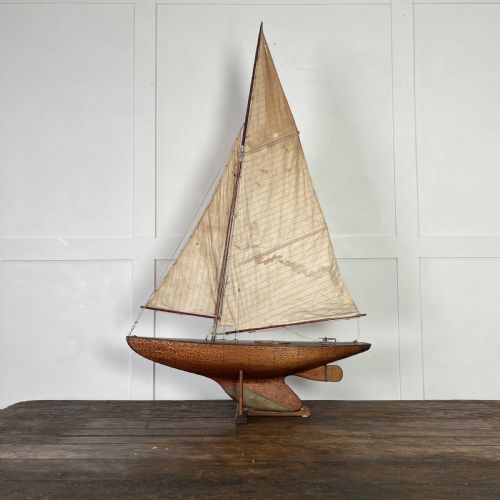
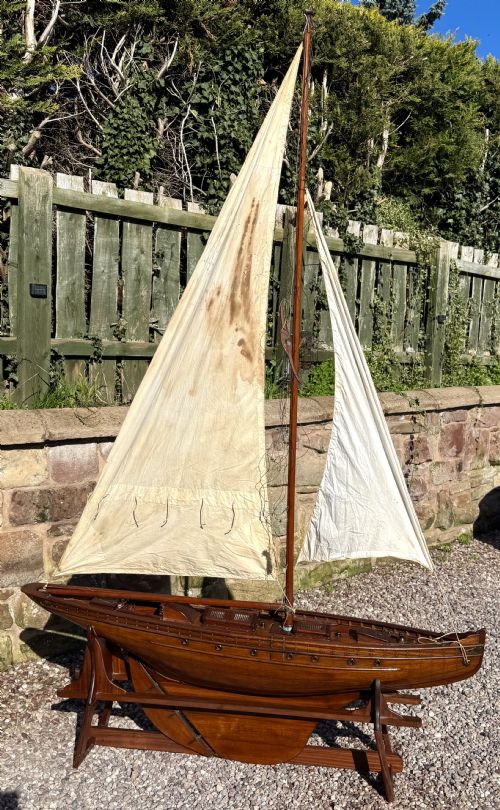
A large antique sailing model brings maritime history indoors through substantial watercraft and detailed shadow boxes. These items include pond yachts, scratch-built vessels, and intricate ship dioramas.
Most examples appearing here date from the Victorian and Edwardian eras up to the nineteen-thirties. Buyers frequently encounter wooden pond yachts with canvas sails alongside framed maritime dioramas.
The assortment spans utilitarian pond boats and naive wooden dioramas alongside scratch-built ketch-rigged vessels. Each object reflects historical marine engineering scaled down for decorative display or private sailing.
How they were made
Maker construction relies heavily on traditional wood techniques, featuring carved or carvel hulls shaped from pine and other timbers. Artisans incorporated canvas for sails, fine string for rigging, and painted finishes to emulate full-scale vessels.
Large Sailing Model Retail Price Guide 2026
Typical asking prices for large sailing model among the pieces listed under this phrase on Sellingantiques today, from the lower quarter to the upper quarter. They describe what is for sale here now, not the wider market.
Materials documented across the collection include wood, canvas, metal, glass, brass, paint, pine, and string.
What varies in quality
Quality rests in the fidelity of the rigging, the intricacy of hull construction, and the preservation of original paint and materials. Scratch-built models demonstrating precise architectural scaling stand apart from simpler naive works.
The depth and complexity within dioramas, particularly those incorporating straw work or detailed miniature deck fittings, elevate certain pieces. Original stands and undisturbed historical surfaces also distinguish the finer examples from standard decorative items.
The Large Sailing Model Glossary
- Carvel hull
- A boat building method where planks are laid edge-to-edge flush against a supporting frame. This technique creates a smooth exterior surface seen on finer antique pond yachts.
- Ketch-rigged
- A two-masted sailing vessel configuration where the smaller rear mast sits forward of the steering wheel. This specific rigging appears on nineteenth-century scratch-built models.
- Diorama
- A three-dimensional miniature scene enclosed within a glass-fronted wooden frame. These displays recreate historic sailing ships or marine accidents using carved wood, paint, and sometimes straw work.
- Pond yacht
- A toy or hobby sailing boat designed to navigate open water unguided by utilising self-steering mechanisms. Examples here date from the Victorian period through the nineteen-thirties.
- Scratch-built
- A model constructed entirely from raw materials without relying on a commercial pre-made kit. Such pieces reflect the maker's individual skill and direct observation of maritime subjects.
Large Sailing Model: Frequently Asked Questions
What is a pond yacht?
A pond yacht is a free-sailing model boat designed to cross park waters without remote control, relying instead on wind balance and angled rudders.
These functional toys were heavily built from wood with canvas sails to withstand active outdoor use by hobbyists.
How do I display a maritime diorama?
Maritime dioramas require wall placement or sturdy shelving away from direct sunlight and damp environments to protect the fragile internal painted elements and glass.
Their framed nature makes them suitable for studies, hallways, or living rooms where marine art traditionally hangs.
Were these models meant for children?
Pond yachts served as recreational toys for older enthusiasts and children during the nineteenth and early twentieth centuries.
Conversely, detailed shadow box dioramas and scratch-built historical replicas were created strictly as adult decorative or commemorative objects.
What periods do these models come from?
The pieces span the nineteenth century through the nineteen-thirties, encompassing Victorian, Edwardian, and later modernist eras.
Victorian and Edwardian items dominate the selection, reflecting a high point in British maritime model-making and folk art.