

Large Planter
A large antique planter holds decades of character, anchoring interior spaces or garden schemes with enduring presence.
Large Planter
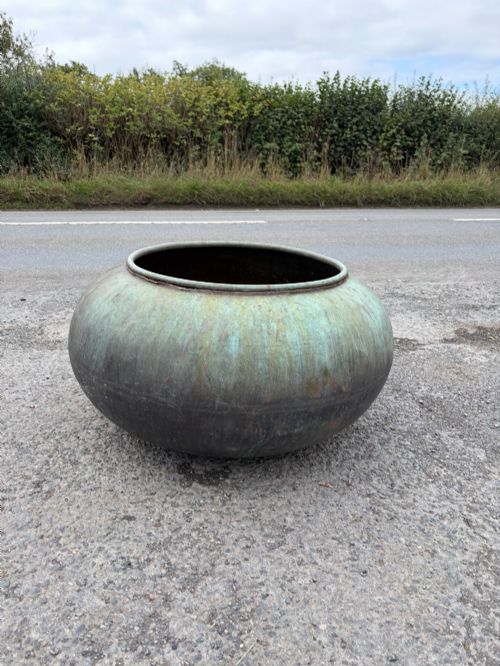
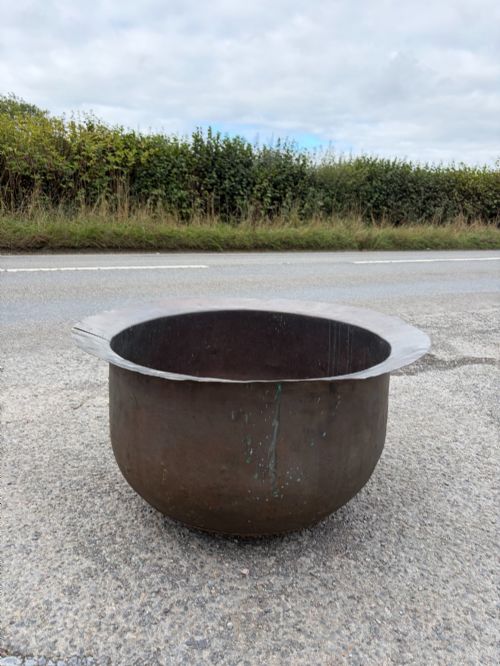
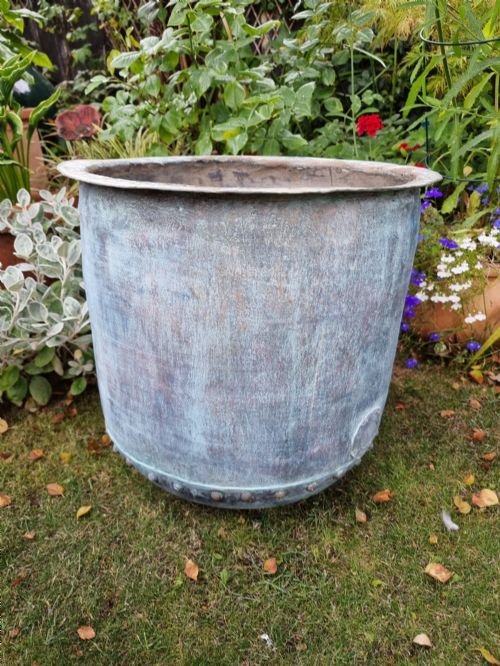
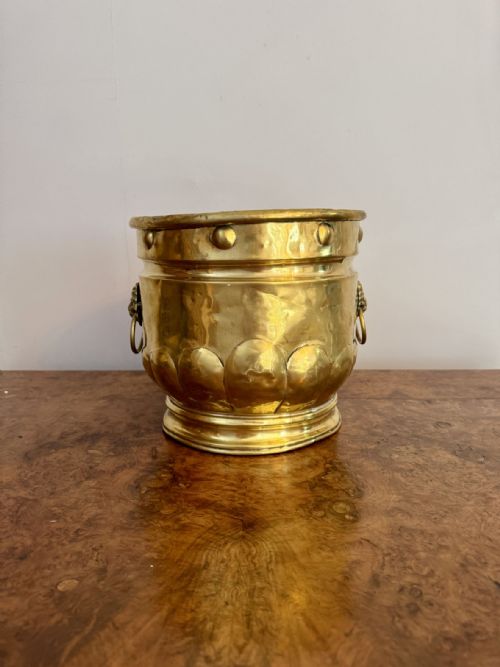
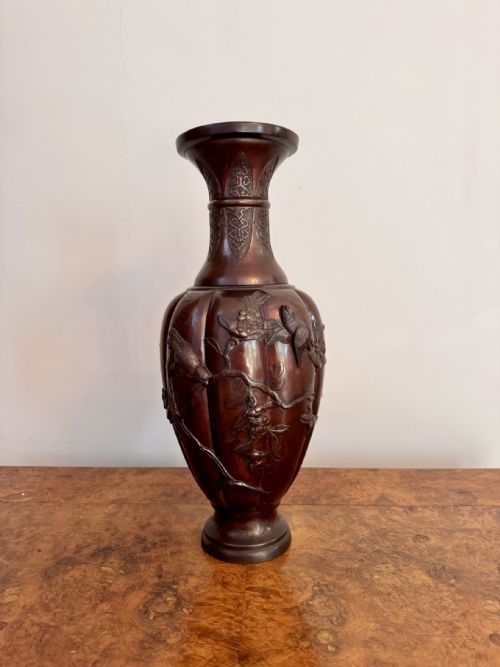
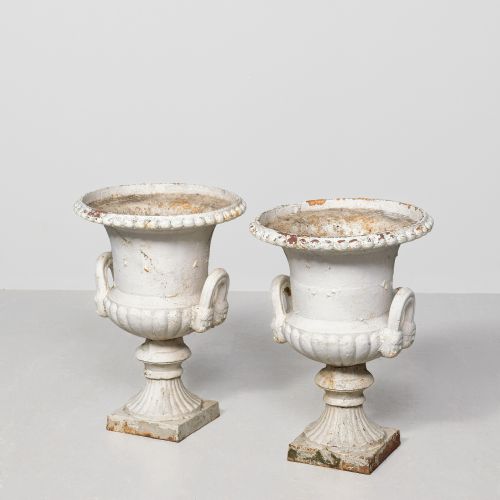
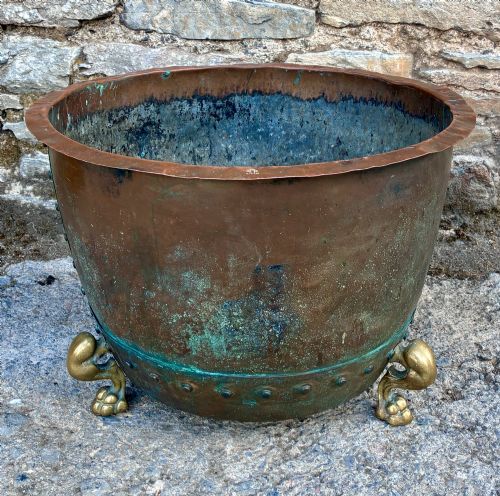
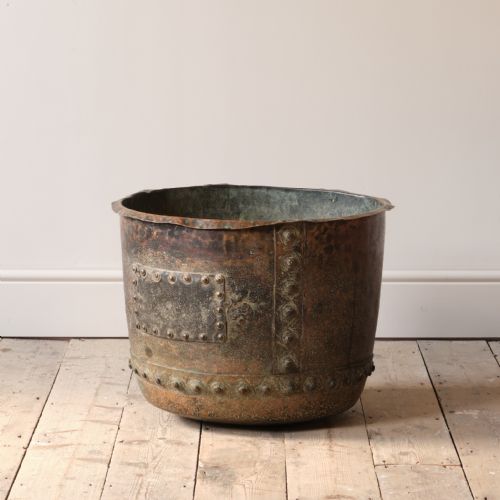
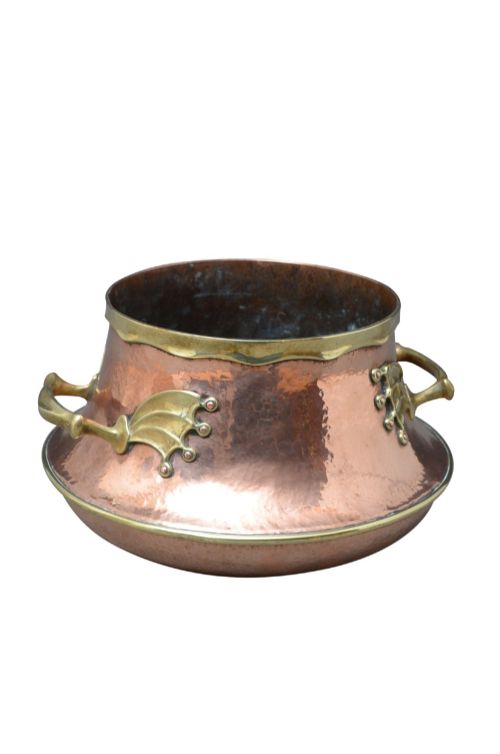
A large antique planter encompasses heavy metal vessels, terracotta pots, and ceramic jardinieres designed to house substantial plants or trees both indoors and outdoors. Buyers searching for a large antique planter most frequently encounter nineteenth-century copper pots, brass vessels, and cast iron garden urns originating from British, French, and Japanese makers.
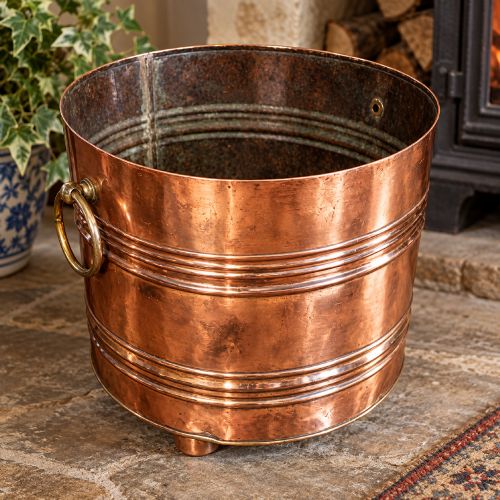
The category spans utilitarian industrial items repurposed for horticulture, such as cheese vats and wash tubs, alongside decorative porcelain bowls and bronze vases. Many examples bridge domestic and garden use, transitioning from fireside log bins to terrace focal points.
Origins range widely across European country houses and East Asian workshops, reflecting diverse aesthetic traditions from Victorian Gothic detailing to Meiji period bronze work.
How they were made
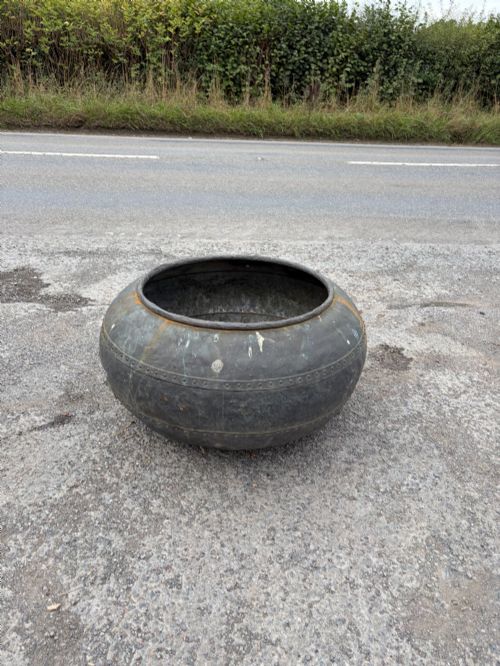
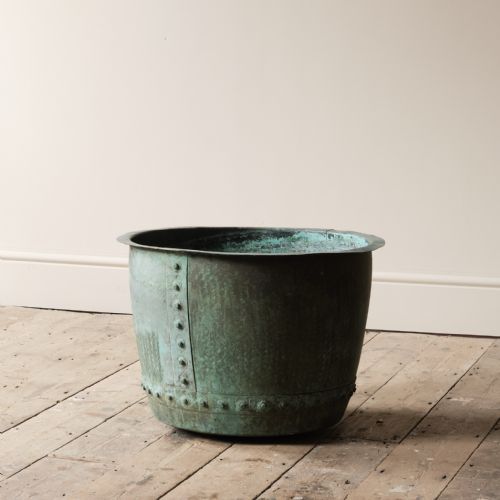
Metal vessels rely heavily on hand-riveting and hammering sheet copper or brass, often finished with wrought iron handles and cast components. Cast iron pieces utilise traditional foundry moulds to create robust garden urns and campana shapes with crisp relief detailing.
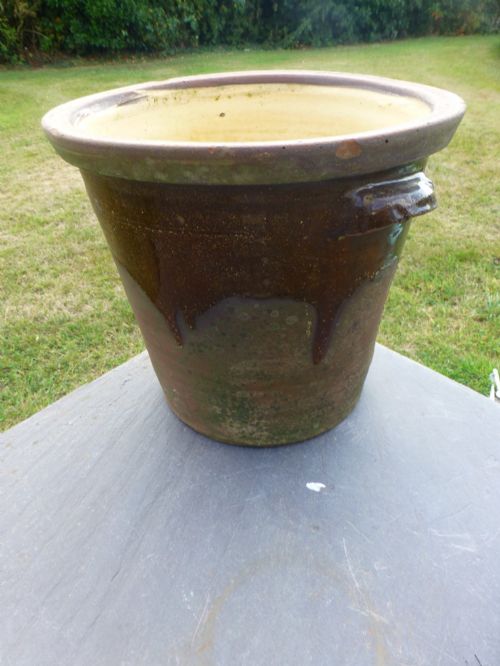
Ceramic and terracotta planters combine natural earthen clays, thrown or moulded by hand, before undergoing kiln firing and occasional salt-glazing or majolica glazing to seal the porous body.
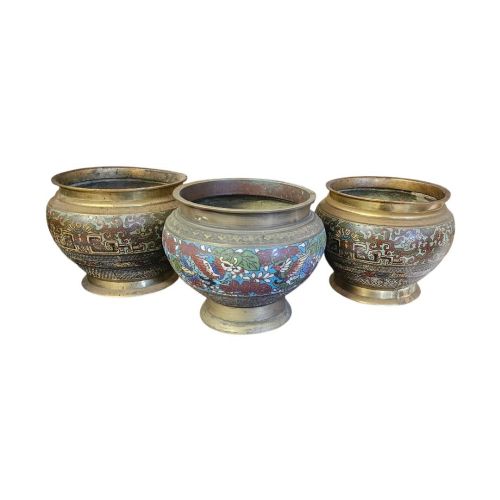
Bronze components showcase lost-wax casting and intricate surface chasing, particularly evident in imported Japanese vessels featuring champlevé enamel or applied dragons.
Listings feature nineteenth-century copper, cast iron, and bronze, alongside earlier eighteenth-century Japanese Arita Imari and European works.
What varies in quality
Wall thickness and gauge of metal dictate durability and heft, separating robust vessels designed for heavy garden service from lighter decorative pieces. Thicker copper and heavier cast iron retain structural integrity better under the weight of wet soil and root systems.
The crispness of surface decoration, whether hand-hammered seams, cast heraldic crests, or chased bronze motifs, distinguishes master craftsmanship from standard production work. Subtleties in patination and the natural integration of verdigris develop more harmoniously on superior metal alloys.
Ceramic quality shows in the evenness of the glaze application, the absence of firing distortions, and the depth of relief mouldings on figural or lion-headed bases.
The Large Planter Glossary
- Jardiniere
- An ornamental pot or stand designed to hold growing plants indoors. They appear in ceramic, brass, and bronze across nineteenth-century interiors.
- Verdigris
- The green patina formed naturally on copper, brass, or bronze through atmospheric weathering. Collectors value this surface oxidation for its visual depth and proof of age.
- Rhubarb forcer
- A heavy ceramic vessel placed over rhubarb crowns to exclude light and force early, tender growth. These tall, cylindrical pots double as striking garden planters.
- Champleve
- An enamelling technique where recessed areas are gouged out of a metal surface and filled with vitreous enamel before firing. It appears frequently on fine Japanese bronze pieces.
Large Planter: Frequently Asked Questions
Can I use an antique copper planter outside?
Copper withstands outdoor conditions well, naturally developing a protective green verdigris over time when exposed to the elements.
However, thin-gauge indoor vessels require sheltered placement to prevent structural damage from freezing winter moisture.
How do I drill drainage holes in antique pots?
Drilling vintage ceramics or cast iron risks cracking the material and destroying the integrity of the piece. Most collectors prefer placing a plastic nursery pot inside the vessel rather than altering the antique body.
What is the difference between a jardiniere and a planter?
A jardiniere traditionally denotes an ornamental container made for indoor display, often sitting on a dedicated stand or table. Planters generally serve a more utilitarian function in gardens, yards, or estate grounds.
Over time, the terms have largely merged in descriptions of antique vessels.
How do I clean verdigris off brass or copper?
Gentle washing with warm soapy water removes surface dirt without stripping the historic patina. Most collectors actively preserve verdigris and aged oxidation rather than polishing the metal back to bright manufacturing condition.