

Large Light Fixture
A large antique light fixture illuminates significant spaces with brass, bronze, crystal, and glass gathered from Victorian, Edwardian, and early twentieth-century origins.
Large Light Fixture
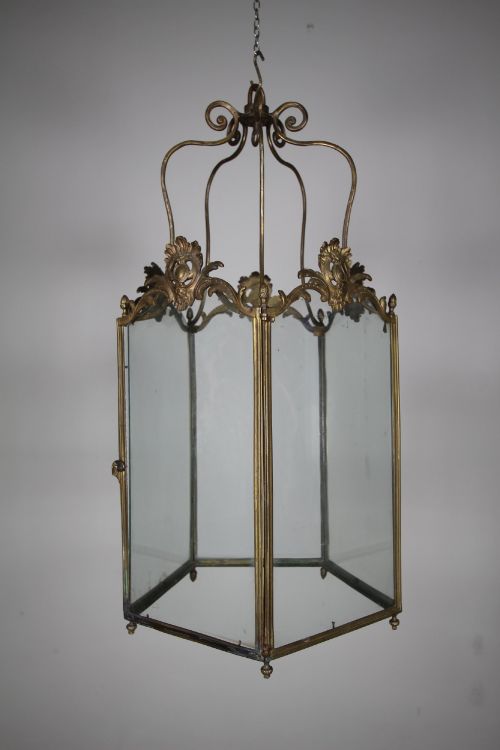
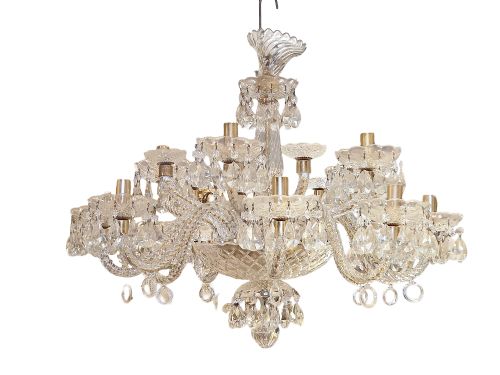
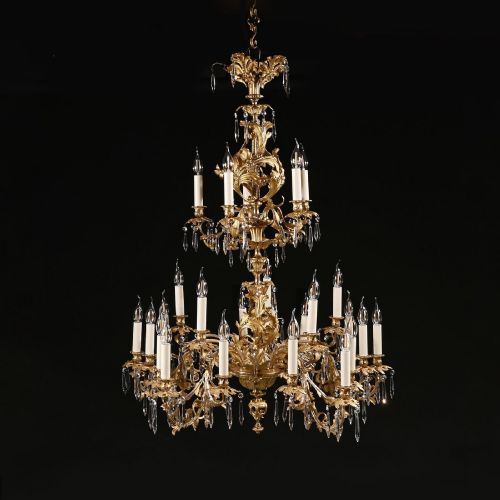
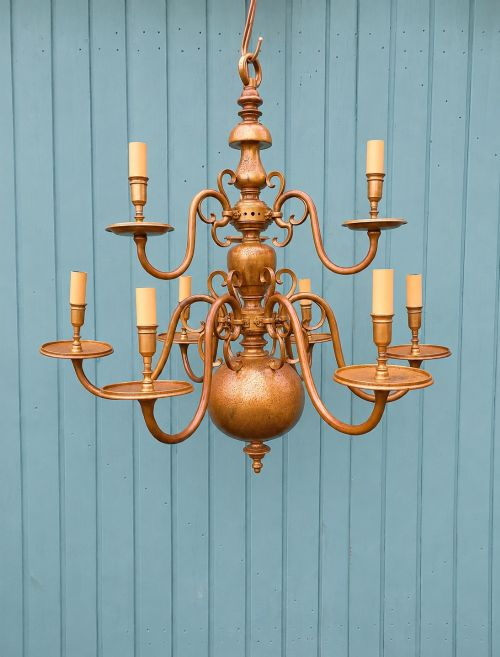
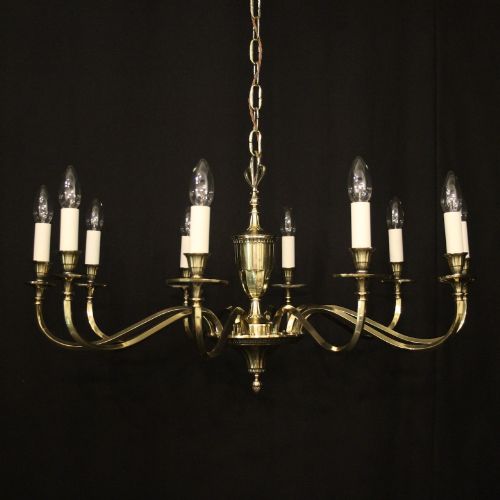
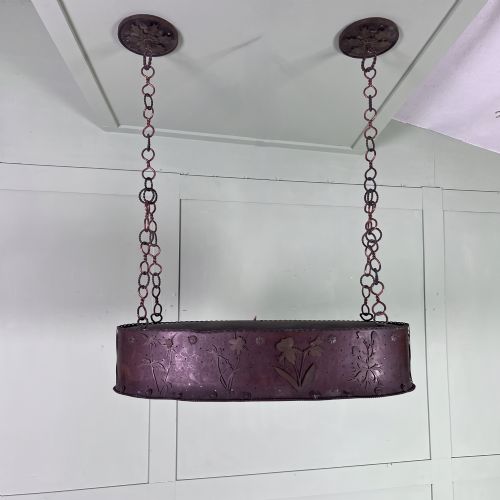
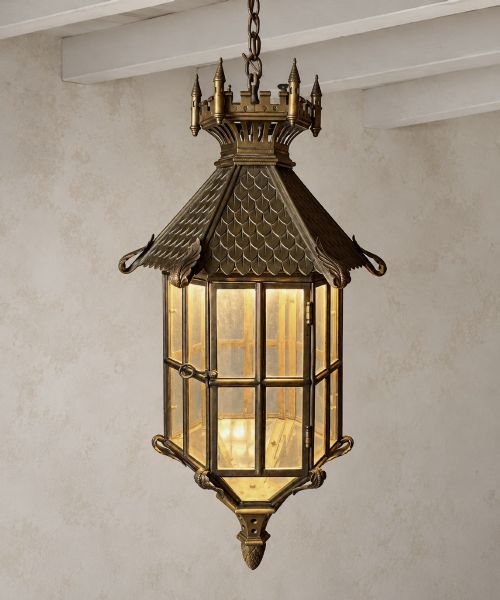
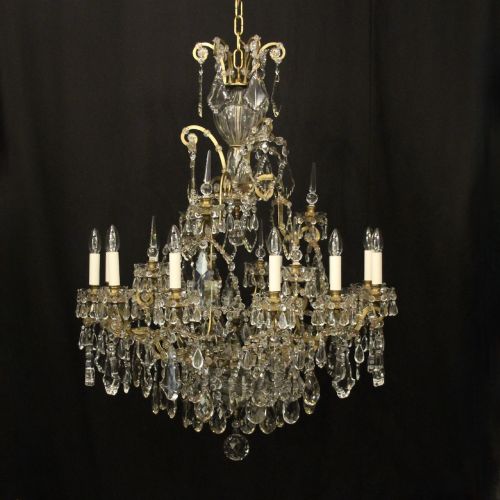
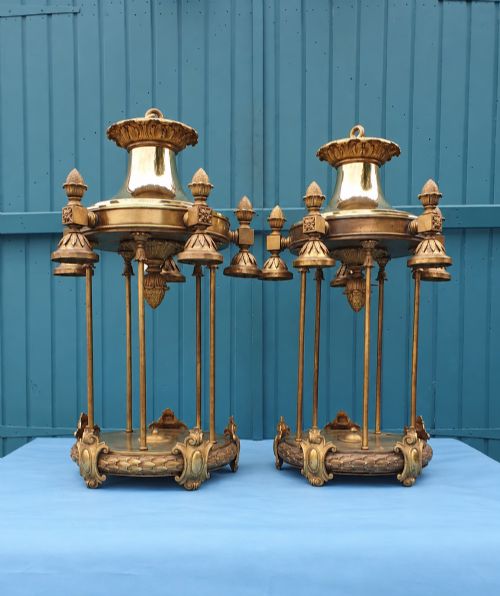
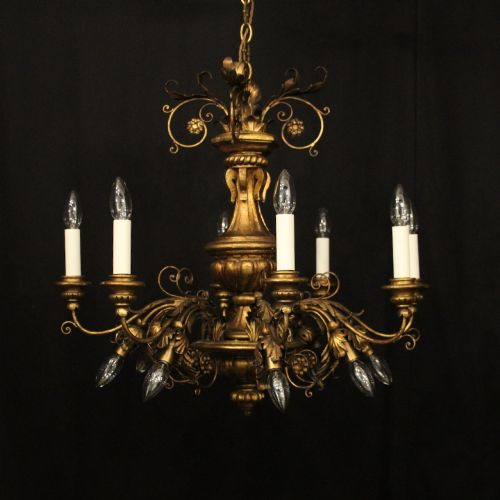
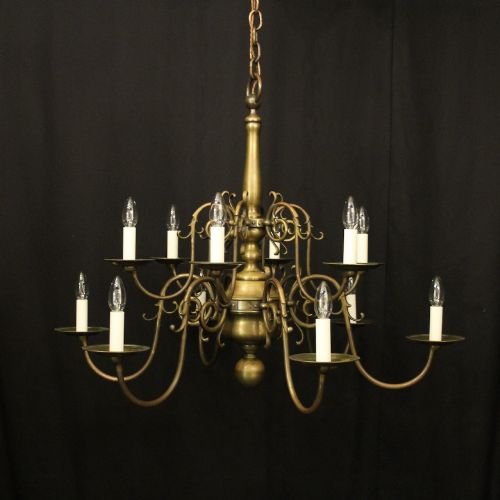
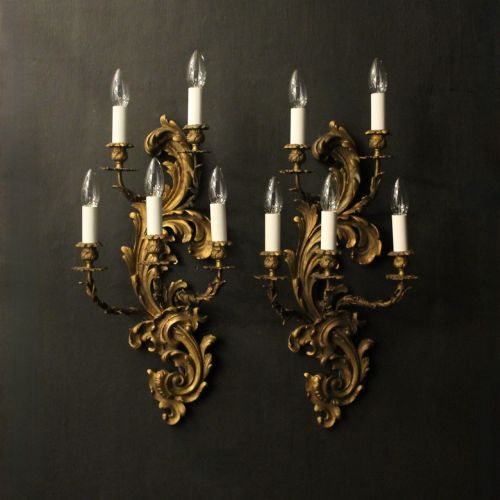
A large antique light fixture encompasses substantial multi-arm chandeliers, hanging lanterns, and wall lights designed to command grand interiors. These pieces originate primarily from the Victorian and Edwardian eras through to the 1930s, reflecting French Chateau, Gothic Revival, and Empire styles. The examples found here range from robust copper street lights and cast bronze wall brackets to towering multi-tier crystal chandeliers.
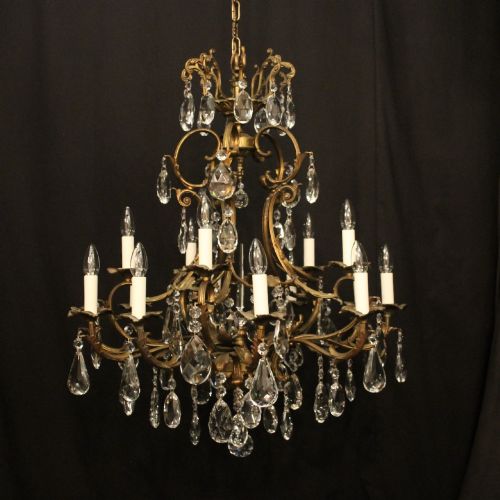
The version most commonly encountered on this page is the large French chandelier, heavily adorned with cut glass crystal and gilt bronze, alongside heavy brass hall lanterns. Buyers encounter ceiling lights configured for numerous light sources, stretching from six arms upwards to twenty-five lights and beyond. Pendant lights and newel post lamps also appear, providing substantial scale for high ceilings and wide hallways.
Materials and construction methods
The construction of these fixtures relies heavily on cast metals including brass, bronze, copper, and iron, shaped into structural frames, wall brackets, and decorative crowns. Gilt bronze and gilded brass appear frequently, providing a rich surface finish that complements the metalwork. Iron and steel provide the heavy structural integrity needed for robust Gothic and industrial styles.
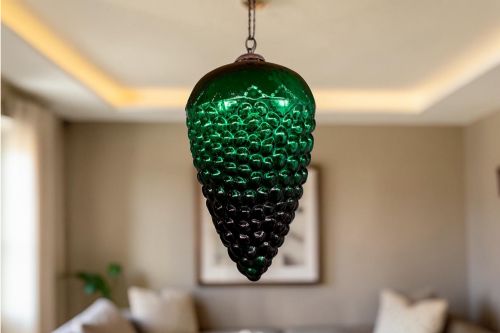
Glass and crystal form the secondary major element, suspended as lustres, drops, and shades from the metal frameworks. Cut glass crystal prisms catch and refract the illumination, particularly in tent and waterfall chandelier configurations. Specialised glass types such as moonstone, ruby glass, and mirrored glass contribute specific textural qualities to pendants and ceiling lamps.
Large Light Fixture Retail Price Guide 2026
Typical asking prices for large light fixture among the pieces listed under this phrase on Sellingantiques today, from the lower quarter to the upper quarter. They describe what is for sale here now, not the wider market.
One extraordinary hall lantern records a past life once lit entirely by candles before receiving modern electrical conversion.
Assessing construction and decorative standards
The distinction between tiers of quality rests upon the weight of the metal chassis and the precision of the casting work. Finer examples display deeply chased gilt bronze and substantial brass frameworks that support twenty or more lights without distortion. Lesser tiers rely on lighter stamped components and simpler geometric assemblies.
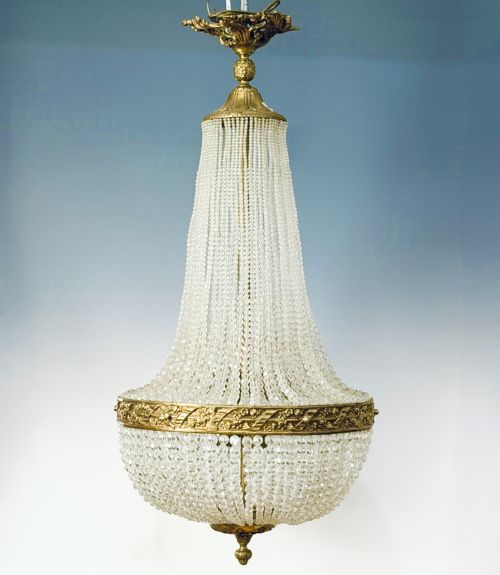
Crystal composition and cutting depth separate standard production from exceptional pieces. Higher quality fixtures employ heavy, hand-cut crystal lustres that retain sharp facets and clear refraction. The integration of complex multi-tiered frames, such as double-tiered chandeliers and intricate tent-and-waterfall structures, indicates superior craftsmanship.
The Large Light Fixture Glossary
- Chandelier
- A branched ceiling light designed to hold multiple lamps or candles. These large examples often feature numerous arms and suspended crystal drops.
- Tent and waterfall
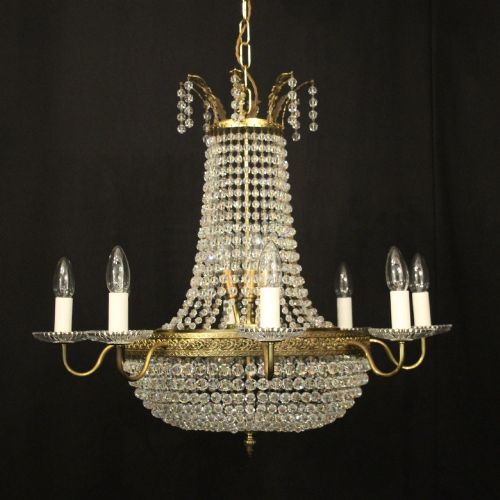
- A chandelier configuration where strings of crystal beads form a conical tent shape above a wider cascading skirt of drops. This style dominates French Empire designs.
- Hall lantern
- An enclosed hanging light fitted with glass panes, intended for entryways and stairwells. They utilise brass, copper, or bronze frames.
- Holophane
- A brand of prismatic glass engineered to direct and diffuse light efficiently. These pendants appear in commercial and substantial residential settings.
- Newel post lamp
- A decorative light fixture mounted upon the substantial terminating post of a staircase. They provide ambient illumination at the foot of stairs.
- Lustre
- A cut glass pendant or drop hung from a chandelier to reflect illumination. They dangle from the arms and crown of the fixture.
Large Light Fixture: Frequently Asked Questions
How do I hang a heavy antique chandelier safely?
Substantial fixtures require direct attachment to ceiling joists using rated steel hooks and appropriate reinforcement. Professional electrical installation is essential to bear the combined weight of metal and crystal.
Working with an experienced electrician ensures the wiring accommodates the numerous bulb holders safely. The weight distribution across multiple arms necessitates secure ceiling blocking.
What periods do these large light fixtures represent?
The inventory spans from the Victorian and Edwardian periods through to the 1930s. Design influences draw from French Chateau, Gothic Revival, and Art Deco movements.
Stylistic markers reveal the era of manufacture, such as heavy cast iron for Gothic pieces or gilded bronze for French Empire revival works. Each decade utilised distinct metal casting and glass cutting techniques.
How should I clean crystal chandeliers?
Routine maintenance involves gentle dusting with a soft brush while the fixture remains suspended. Detaching crystal drops for washing in warm soapy water restores maximum optical clarity.
Harsh chemical cleaners must be avoided to protect gilt and bronze surfaces from damage. Rinsing crystal pieces thoroughly prevents residue buildup on the facets.
Can these antique lights be converted for modern wiring?
Most fixtures accommodate rewiring to meet contemporary electrical standards while preserving the original sockets and metalwork. Professional rewiring ensures safe operation with modern voltage.
Internal channels within the brass and bronze arms allow discreet wire routing. Retaining original cosmetic elements maintains the historical integrity of the piece.