

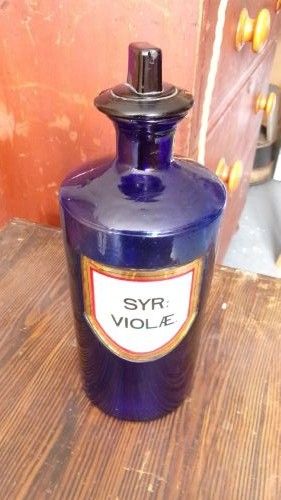


Large Glass Jars
Large antique glass jars bring utility and quiet presence to a room, spanning from apothecary carboys to delicate display domes.
Large Glass Jars
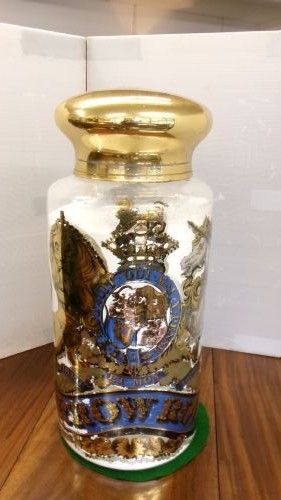
Large antique glass jars encompass practical vessels from chemistry laboratories, sweetshops, and breweries alongside decorative display domes. When searching for large antique glass jars, buyers frequently encounter nineteenth-century and early twentieth-century pieces designed for storage or exhibition.
The assortment on this page draws from eras including the Georgian, Victorian, and Edwardian periods, as well as Art Deco designs. Functional containers such as apothecary carboys, chemist bottles, and sweet jars sit alongside display domes and cloches intended for taxidermy or curiosities.
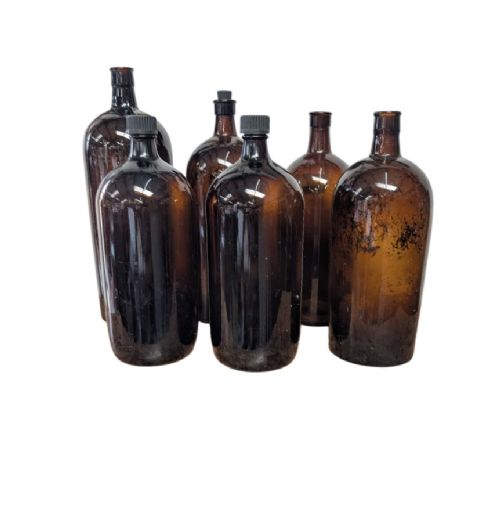
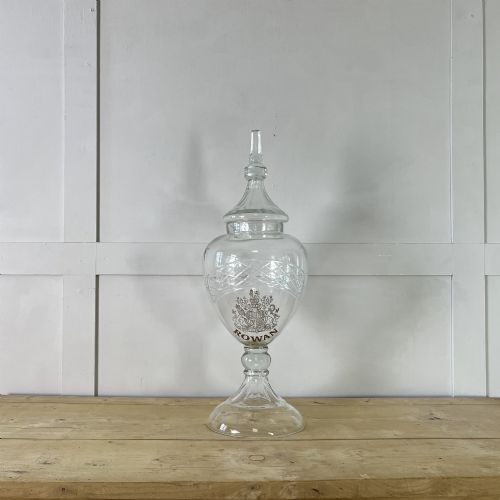
Forms range from tall amber Winchester bottles and French demi-johns to heavy cut-glass lidded vases and tea mixing bowls. These items reflect a time when glass was robustly hand-finished for commercial, scientific, or domestic utility.
How they were made
Many of these vessels begin as blown glass, exhibiting the slight bubbles, uneven thickness, and pontil marks characteristic of older manufacturing techniques. Larger containers like carboys and demi-johns required skilled free-blowing or mould-blowing to achieve their substantial capacity.
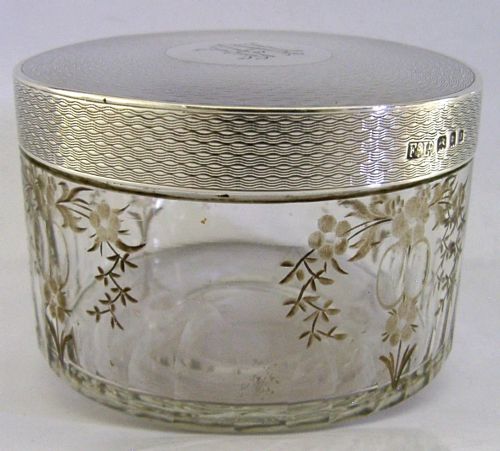
Cut glass pieces utilise wheel-cutting to carve geometric or linear patterns into the thick walls of bowls and jars, creating faceted surfaces that catch the light. Sterling silver mounts, gold leaf, and ebonised wood bases appear on select items, combining glass with worked metal and timber.
Large Glass Jars Retail Price Guide 2026
Typical asking prices for large glass jars among the pieces listed under this phrase on Sellingantiques today, from the lower quarter to the upper quarter. They describe what is for sale here now, not the wider market.
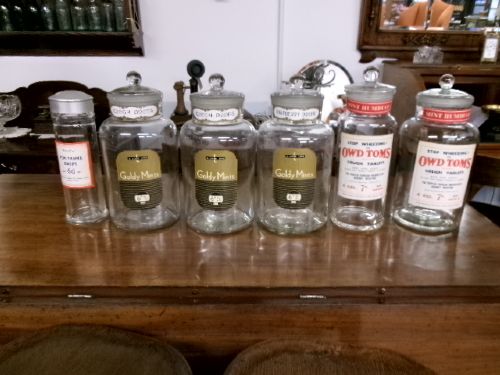
Some nineteenth-century glass jars still carry their original arrowroot and sweetshop labels, having survived a century of sticky fingers.
What varies in quality
Quality rests in the clarity and weight of the glass, the depth of hand-cut facets, and the integrity of any original components such as stoppers, labels, or bases. Finer examples retain their matching lids or ground glass stoppers without chips to the rims.
The presence of original paper labels or maker attribution distinguishes standard utilitarian vessels from more collectible specimens. Metalwork components, whether sterling silver engine-turned lids or ebonised wooden stands, show varying degrees of craftsmanship and preservation.
Mary Gregory
The Large Glass Jars Glossary
- Carboy
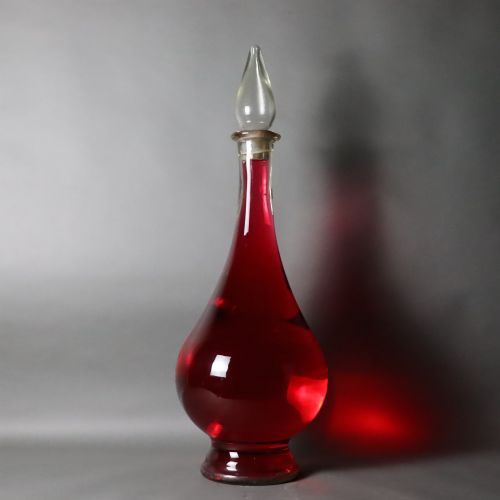
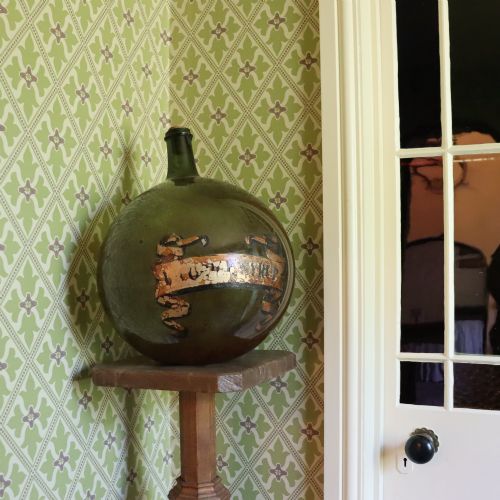
- A large, bulbous glass bottle traditionally used for holding liquids safely in transit or storage. These heavy vessels often display deep mineral tones and bubbles within the glass walls.
- Display dome
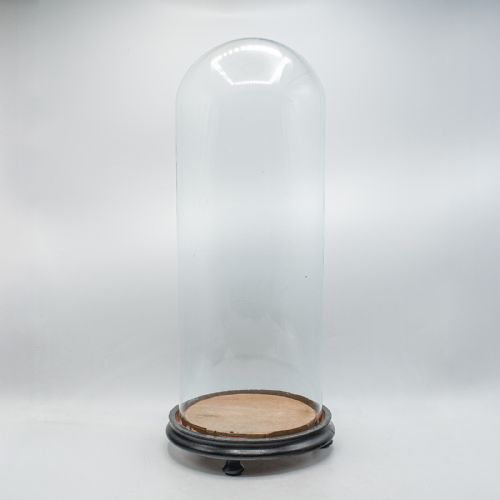
- A blown glass cover, also known as a cloche, placed over an ebonised wooden base to protect and showcase delicate objects. They were frequently utilised in Victorian interiors for taxidermy and specimens.
- Bristol blue
- A deep cobalt blue glass produced in England, commonly used for nineteenth-century apothecary and chemist bottles. The intense colour protected light-sensitive contents.
- Pontil mark
- A rough scar on the base of a blown glass vessel where the pontil rod was attached during creation. Its presence indicates traditional hand-blowing methods.
- Engine-turned
- A decorative technique involving precise geometric patterns mechanically engraved into metal surfaces such as silver jar lids. This process was popular during the Edwardian and Art Deco eras.
Large Glass Jars: Frequently Asked Questions
What were apothecary carboys used for?
Apothecary carboys held large quantities of liquid medicines, distilled water, or chemical solutions in nineteenth-century dispensaries and laboratories. Chemists also placed filled carboys in shop windows as illuminated trade signs.
Today, their generous proportions and deep glass colours make them striking decorative floor or table pieces in modern interiors.
How do I clean an antique glass jar?
Warm water and a soft brush suit most antique glass interiors, avoiding harsh chemicals that might damage aged surfaces or remaining paper labels. Rinsing gently preserves the original patina and internal haze common in old glass.
Submerging pieces with sterling silver mounts or fragile paper labels requires extra care to protect those specific materials.
Are display domes and cloches original?
Display domes typically sit upon their original ebonised wood bases, shaped specifically to fit the curved rim of the glass. Examining the fit between the dome and the groove in the base helps determine if they belong together.
Victorian and Edwardian taxidermy domes were standard household fixtures for preserving fragile specimens from dust.