

Large Artwork
When you search for large antique artwork, you encounter substantial paintings, watercolours, and prints spanning centuries.
Large Artwork
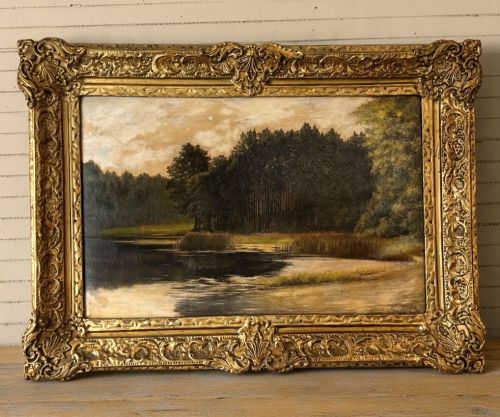
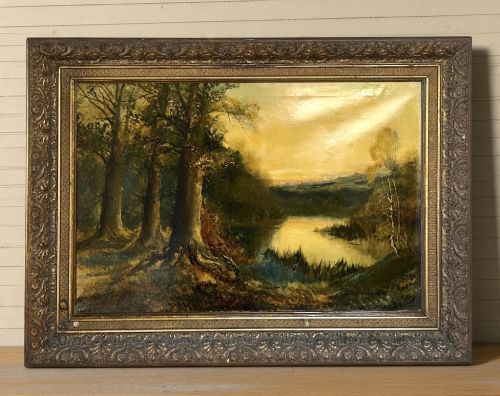
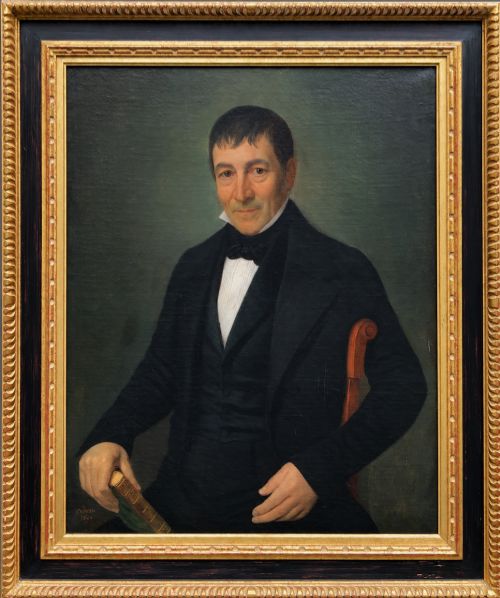
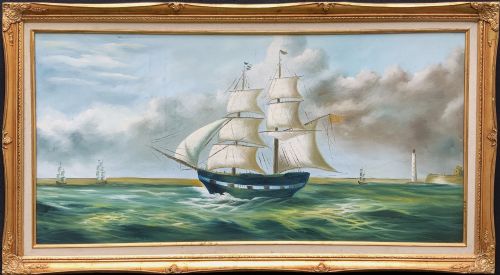
Large antique artwork encompasses substantial paintings, pastels, watercolours, and framed prints produced across the eighteenth, nineteenth, and early twentieth centuries. These scale-heavy pieces often depict historical subjects, portraits, landscapes, or genre scenes meant to dominate a room.
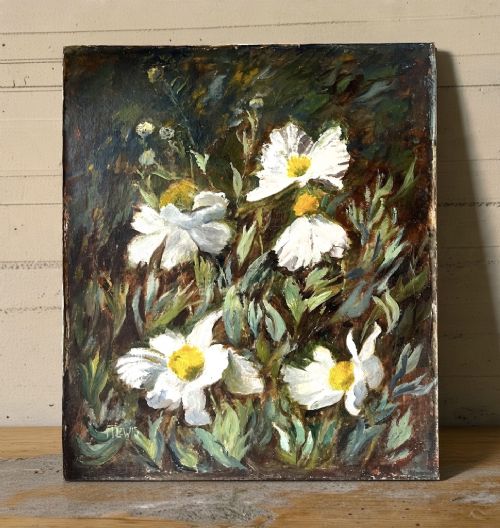
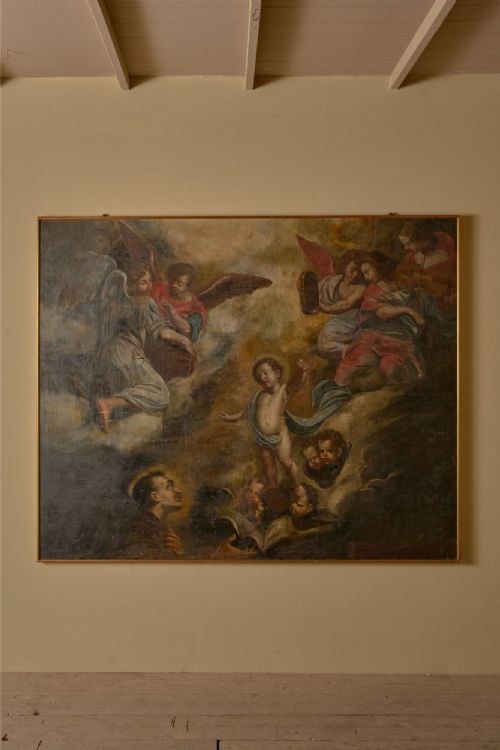
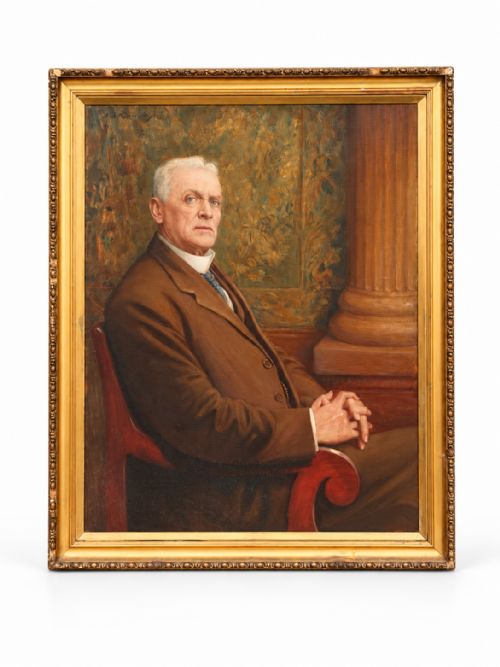
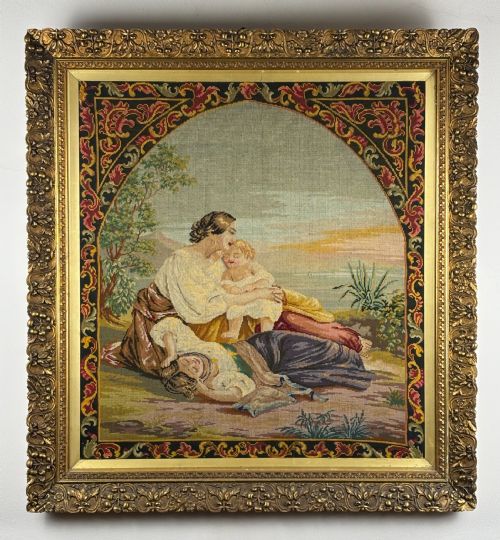
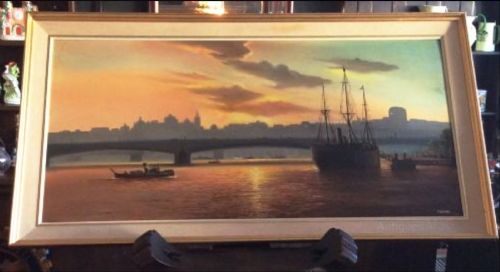
The selections available here lean heavily toward oil paintings on canvas, alongside framed engravings, pastels on paper, and textile works. Subjects range from military battles and biblical narratives to quiet pastoral landscapes and formal portraiture.
Originating from British, European, and wider international schools, these pieces reflect the varied aesthetic priorities of the Georgian, Victorian, Edwardian, and later periods. Buyers select them to anchor a wall scheme with historical depth and considerable visual weight.
How They Were Made
Makers built these works using oil on canvas, paper, or panel, applying pigments by hand to capture fine detail in portraiture and sweeping scale in landscapes. Watercolour and pastel were also utilised on paper supports for softer tones and delicate handling.
Frames form an integral part of the construction, utilising wood, gilt wood, and giltwood often formed into deep profiles or original Hogarth mouldings to support the heavy canvas or panel within. Textile works incorporate woven grounds stretched carefully over supporting frames.
Large Artwork Retail Price Guide 2026
Typical asking prices for large artwork among the pieces listed under this phrase on Sellingantiques today, from the lower quarter to the upper quarter. They describe what is for sale here now, not the wider market.
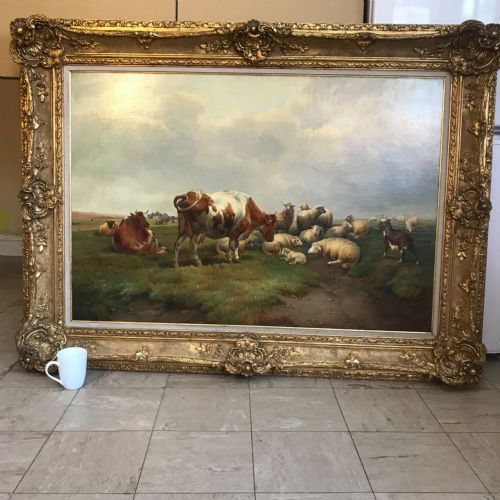
Several canvases capture animals behaving badly, from carriage horses in motion to hounds disrupting quiet rural scenes.
What Varies in Quality
Quality rests in the execution of the hand, where confident brushwork and precise anatomical or architectural drawing elevate a piece above standard decorative output. Strong provenance or attribution to a recorded artist adds significant weight to a work.
The integrity of the original surface and the retention of period framing also separate superior examples from heavily restored or later-assembled pieces. Depth of colour and stability of the underlying canvas or panel determine the enduring presence of the artwork.
George F Bird·Stuart Lloyd·Alfred Walter Bayes·Sir Joseph Noel Paton·John Opie RA·Thomas Smythe·TB Hardy·George Watson
The Large Artwork Glossary
- Oil on Canvas
- Pigment mixed with drying oil applied to a woven fabric support. This material allows for rich colour blending and substantial textural depth.
- Giltwood
- Timber carved and coated with gold leaf or a gold-coloured metallic finish. It frames and highlights the artwork with reflective warmth.
- Provenance
- The documented history of ownership of an object. Clear records help establish authenticity and past exhibition history.
- Genre Painting
- Art depicting scenes from everyday life, often narrative or domestic in nature. These works capture social interactions and historical customs.
- Pastel on Paper
- A dry medium of powdered pigment rolled into sticks and applied directly to a paper support. It produces a velvety, matte finish requiring protective glass framing.
Large Artwork: Frequently Asked Questions
How do I hang a large antique painting safely?
These substantial works require robust wall fixings anchored directly into studs or masonry rather than standard plaster plugs. Utilise heavy-duty picture wire and double-hook systems to distribute the considerable weight evenly.
Ensure the hanging height places the centre of the artwork at eye level for seated or standing viewing. Professional installation is often recommended given the sheer scale and heavy wood or gilt frames.
Where should I display large antique artwork?
Position these pieces on principal walls in reception rooms, hallways, or dining spaces where the scale can command the room. They serve as natural focal points above fireplaces or along long expanses of wall.
Avoid placing them in direct sunlight or areas prone to high humidity, such as kitchens or unventilated bathrooms. Stable indoor climates protect both the canvas and the historical frame from warping or cracking.
How do I identify the period of the frame?
Examine the construction joints, corner mitres, and the composition of the gesso or gilding layer on the timber. Period frames often show shrinkage cracks, tool marks, and wear patterns consistent with age.
Many high-quality works retain their original frames, which match the aesthetic and manufacturing techniques of the era. Discrepancies between the canvas date and frame style usually indicate a later replacement.