
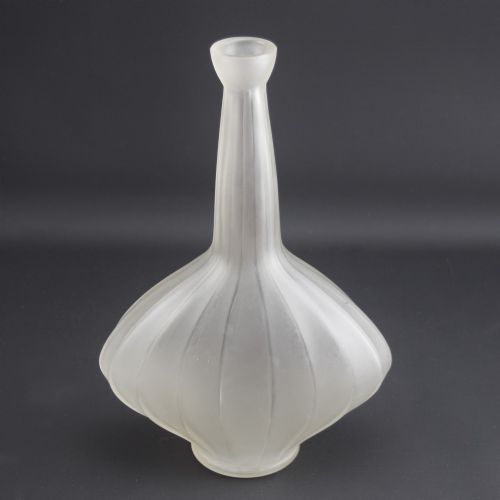


Lalique Glass Bottle
A lalique glass bottle brings tactile French elegance to a dressing table through moulded glass and frosted surfaces.
Lalique Glass Bottle
A lalique glass bottle takes the form of scent bottles, perfume bottles, perfume atomisers, and decanters. These pieces emerge primarily from the nineteen tens, nineteen twenties, and nineteen thirties, capturing the height of Art Deco and Art Nouveau design.
Collectors frequently encounter iconic named models such as Cigalia, Pavot, Rose Rouge, and Hirondelles. Each piece serves as a miniature sculpture, combining practical function with sculptural glasswork.
The objects on this page represent the creative output of Rene Lalique across decades of innovation. They display distinct variations in stopper design, body shape, and surface relief.
Materials and Techniques
Makers utilised clear glass, frosted glass, and moulded glass to create high-relief textures and contrasting finishes. Selected examples incorporate black patina, red staining, enamel, and paper details to accentuate the sculptural motifs.
Techniques relied on precise mould-blowing and pressing to achieve deep relief work on stoppers and bodies. Surface treatments like staining and patination were applied by hand to highlight the intricate details of floral and animal subjects.
Even butterflies find permanence here, frozen forever in heavy glass atop a scent bottle stopper.
Judging Quality and Distinction
Quality rests in the crispness of the moulded relief and the preservation of original patination, staining, or enamel work. Finer examples retain their matching stoppers and show exceptional clarity in the contrast between clear and frosted areas.
The sophistication of the design dictates distinction, moving from simple panelled decanters to complex figurally-topped scent bottles. The integrity of the glass surface and the subtlety of the coloured staining further separate standard productions from exceptional works.
Rene Lalique
The Lalique Glass Bottle Glossary
- Frosted glass
- Glass treated to create a textured, matte surface that diffuses light and accentuates relief details. This technique defines much of the tactile appeal in early twentieth-century French glassware.
- Patinated glass
- Glass treated with coloured pigments or dark staining pressed into the recessed areas to create contrast. It brings depth and definition to moulded motifs.
- Moulded glass
- Glass shaped by being pressed or blown into a prepared mould to produce repeatable raised patterns. This method allowed for intricate three-dimensional designs on small vessels.
- Art Deco
- A design style characterised by sleek lines, geometric symmetry, and stylised natural motifs prominent during the decades between the world wars. It strongly influences the geometry of these perfume vessels.
Lalique Glass Bottle: Frequently Asked Questions
What are lalique glass bottles?
These pieces are decorative scent bottles, perfume atomisers, and decanters produced in France during the early twentieth century. They combine utiletarian function with sculptural glass artistry.
Created using moulded and frosted techniques, they showcase the distinct aesthetic of Art Nouveau and Art Deco movements.
How were these bottles used?
Original owners utilised them on dressing tables to house perfumes, scents, and cosmetics. They functioned as both personal grooming accessories and decorative art objects.
Many contained custom fragrances created for specific Parisian perfumeries of the era.
How do I care for a scent bottle?
Display these delicate glass pieces away from direct sunlight and areas prone to sudden temperature changes. Handle stoppers with extreme care to avoid chipping the ground glass fit.
Clean only with a soft, dry cloth and avoid submerging pieces that retain paper labels or fragile staining.
How can I tell the periods apart?
Pieces from the nineteen tens often lean towards flowing Art Nouveau plant motifs, whilst those from the nineteen twenties and thirties adopt sharper geometric Art Deco lines.
Examining the specific naming conventions, stopper designs, and surface patination helps assign pieces to their correct decade.