



Lalique Glass Bird
These pieces of lalique glass bird sculpture capture the crisp geometry and naturalism of the Art Deco era.
Lalique Glass Bird
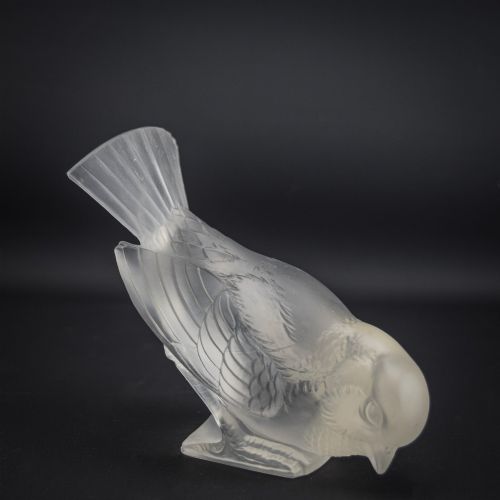
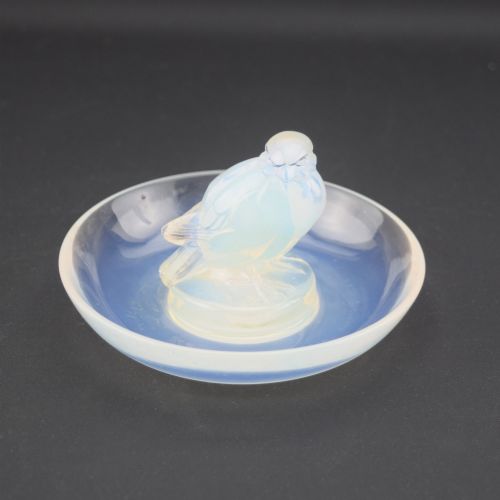
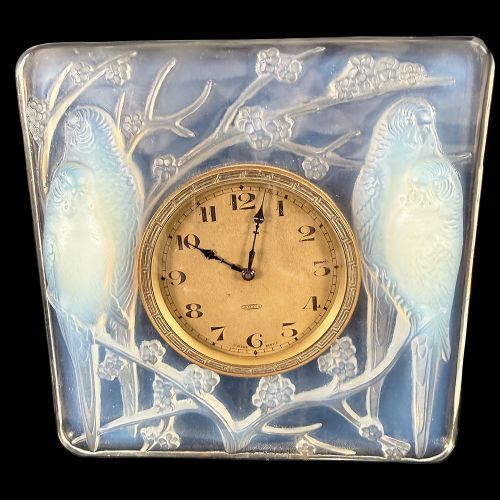
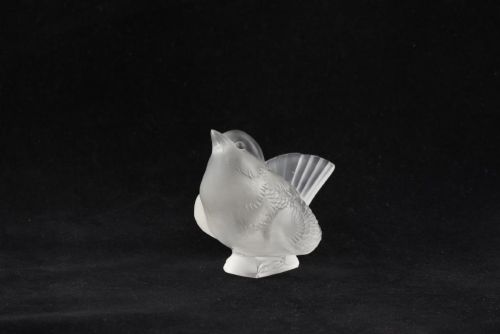
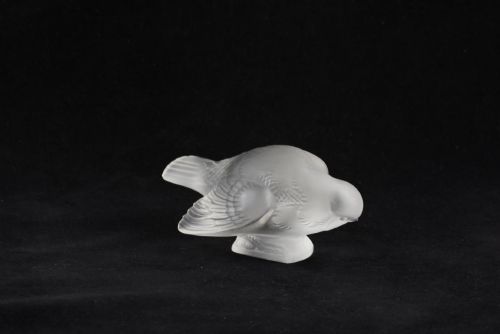
When you search for lalique glass bird, you encounter sculptural paperweights, mantel clocks, and decorative dishes created by Rene Lalique during the early decades of the twentieth century. These items centre on avian motifs such as sparrows, lovebirds, and parakeets.
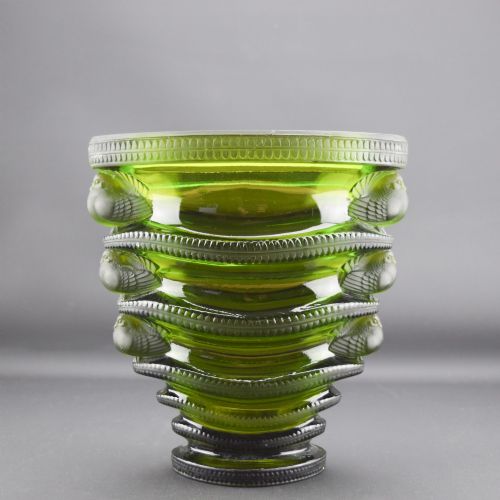
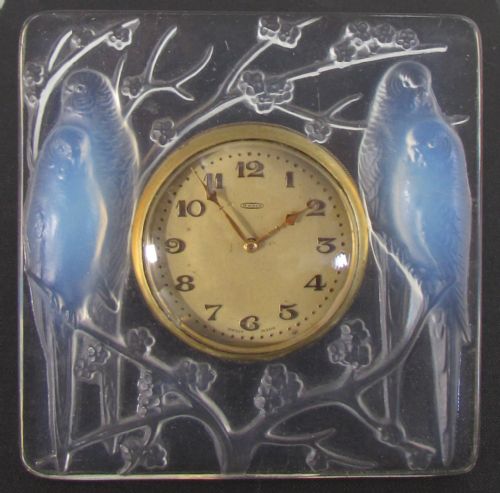
The most common examples on this page are paperweights and small sculptures featuring individual birds like the Moineau hardi, Moineau Timide, and Chardonneret Hardi. Alongside these desk pieces appear larger works, including opalescent clocks and vases adorned with bird designs.
Originating predominantly from the 1920s and 1930s, these objects reflect the distinct aesthetic of Art Deco glass production. Collectors seek them for their combination of delicate sculptural detail and tactile glass manipulation.
How they were made
Makers utilised moulded glass and crystal, often employing techniques to create frosted and opalescent surfaces that catch the light in specific ways. Stained glass finishes in blue or other tones were also applied to accentuate the relief details of the birds.
Some works incorporate metal elements alongside the moulded glass, particularly in the construction of mantel clocks. The interplay between clear glass, frosted textures, and coloured staining defines the technical execution of these pieces.
Lalique Glass Bird Retail Price Guide 2026
Typical asking prices for lalique glass bird among the pieces listed under this phrase on Sellingantiques today, from the lower quarter to the upper quarter. They describe what is for sale here now, not the wider market.
Several stubborn sparrows stubbornly refuse to fly away from their glass perches.
What varies in quality
The distinction between standard examples and finer works lies in the depth of the moulding and the subtlety of the opalescence within the glass. Superior pieces exhibit crisp definition in the feather details and a balanced distribution of colour or frost.
Complexity of form also separates the range, with intricate multi-figure compositions such as lovebirds on clocks or vases demanding greater technical skill than single-bird paperweights.
Rene Lalique
The Lalique Glass Bird Glossary
- Opalescent Glass
- Glass that diffuses light to display a milky or bluish iridescence. This optical effect shifts depending on the viewing angle and the light source.
- Frosted Glass
- Glass treated to achieve a textured, matte surface rather than a transparent finish. It is frequently used to highlight sculptural relief against clear backgrounds.
- Moulded Glass
- Glass shaped by being pressed into or blown into a form or matrix. This technique allowed for the consistent reproduction of complex avian sculptures.
- Art Deco
- The dominant design style of the 1920s and 1930s characterised by stylised natural forms and geometric discipline. It informs the overall aesthetic of these glass objects.
Lalique Glass Bird: Frequently Asked Questions
What are these glass bird objects?
These items are decorative glass sculptures, paperweights, and clocks featuring avian subjects created by Rene Lalique.
They serve as desktop ornaments and mantel pieces originating from the Art Deco period.
How were the clocks used?
The clock versions functioned as desk or mantel timepieces combining functional clock movements with glass bird sculptures.
They combined utility with decorative sculptural art for domestic interiors.
How do I identify the periods?
Periods are identified through stylistic markers of Art Deco design and documented production dates from the early twentieth century.
Most pieces correspond to the decades of the nineteen twenties and thirties.
How do I live with these pieces?
Display these glass sculptures in areas with controlled lighting to appreciate the opalescent and frosted textures.
Position them on stable surfaces away from high-traffic zones to protect the delicate moulded details.