





Lacquered Side Cabinets
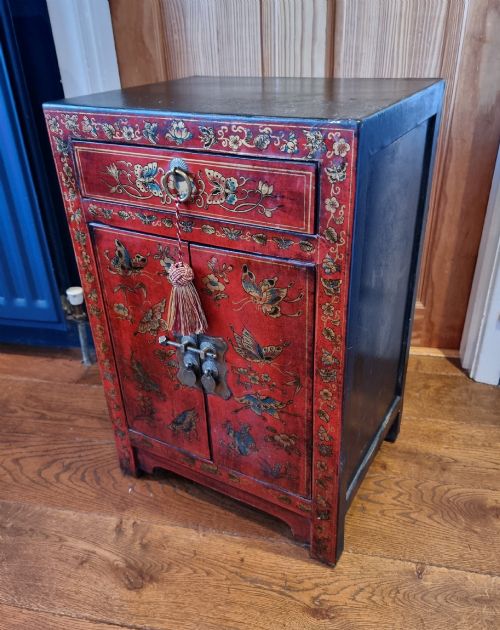
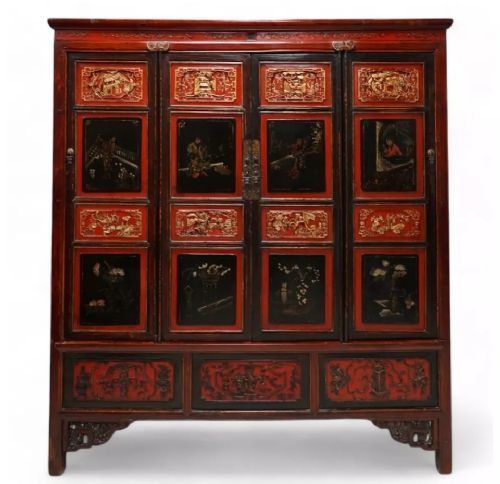
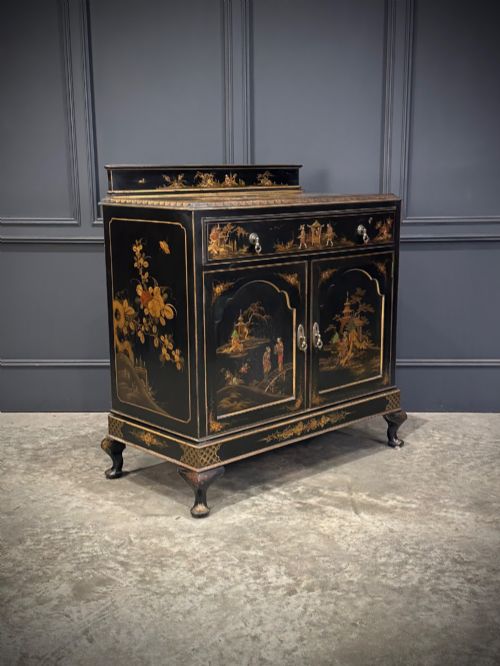
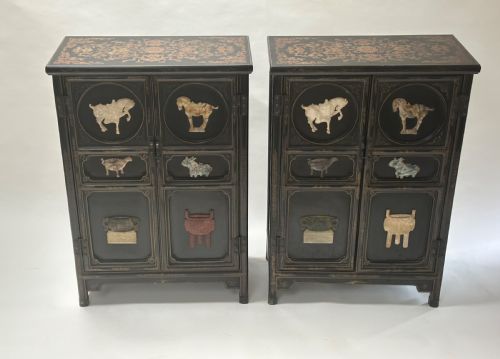
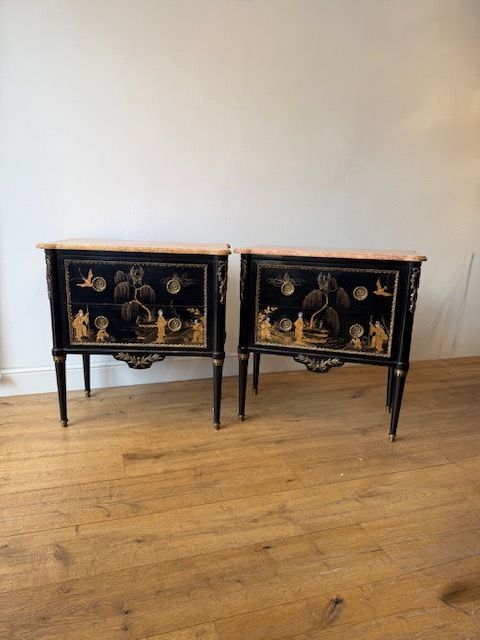
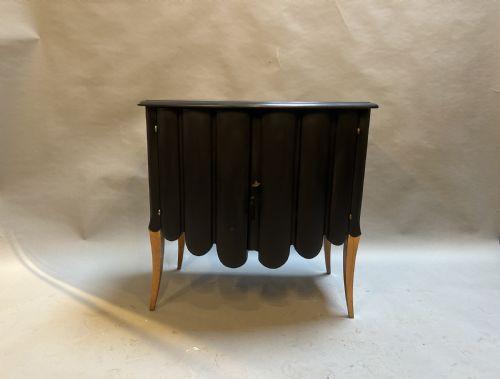
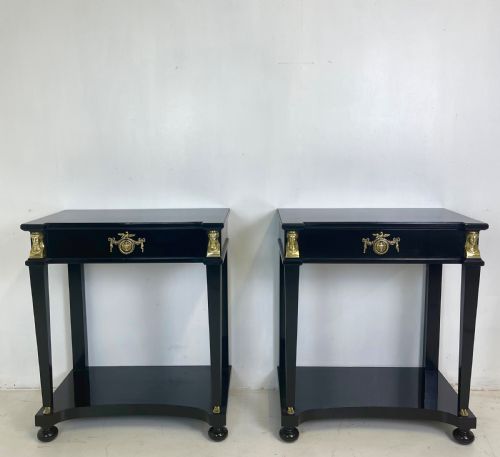
Lacquered side cabinets bring painted narrative surfaces and striking finishes into a room, offering both display space and concealed storage.
Lacquered Side Cabinets
When searching for lacquered side cabinets, buyers encounter versatile storage pieces ranging from compact bedside units and sewing tables to substantial breakfront bookcases and commodes. These items function as focal points in a room, combining practical shelving or cupboard space with decorative exterior finishes.
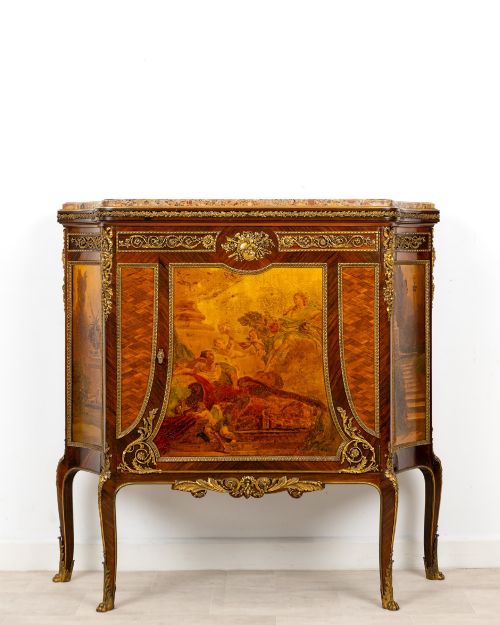
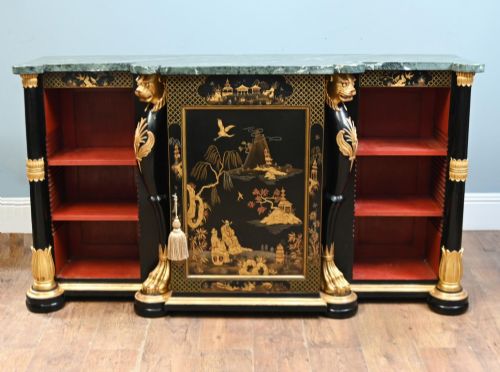
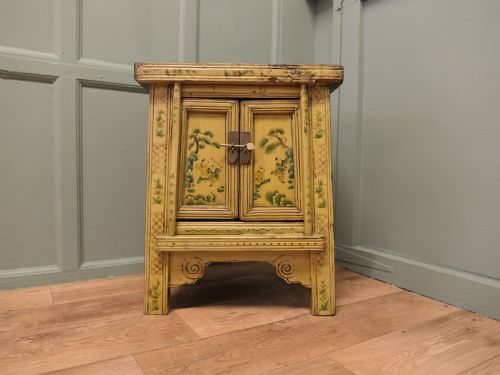
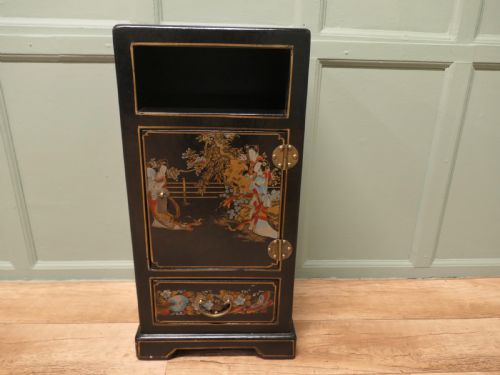
The selections span distinct periods and aesthetics, featuring nineteenth-century English and French interpretations alongside Chinese elm marriage cupboards and cinnabar pieces. Chinoiserie and Japanned black or red lacquer dominate the offerings, frequently accompanied by revival styles such as Regency and Art Deco.
How they were made
Construction relies upon timber foundations, including Chinese elm and ebonised wood, built into cabinetry forms such as chiffoniers, commodes and standing cupboards. Surfaces receive multiple applications of lacquer, often finished with hand-painted Chinoiserie motifs, gilt-bronze, ormolu mounts, and gold leaf detailing.
Detailing extends to specialised techniques such as pen-work, bamboo framing, and inlaid porcelain plaques, supported by brass hardware. Cabinetry from the nineteenth and early twentieth centuries pairs traditional joinery with decorative surface finishes like Vernis Martin.
Lacquered Side Cabinets Retail Price Guide 2026
Typical asking prices for lacquered side cabinets among the pieces listed under this phrase on Sellingantiques today, from the lower quarter to the upper quarter. They describe what is for sale here now, not the wider market.
The selection includes diverse forms ranging from cocktail cabinets and sewing tables to marriage cabinets and breakfront bookcases.
What varies in quality
Quality differences emerge in the depth and preservation of the lacquer surface, the precision of the hand-painted Chinoiserie details, and the crispness of the gilt-bronze or ormolu mounts. Finer examples display meticulous execution in figural and botanical scenes, while simpler pieces rely on more straightforward decorative application.
Structural integrity also separates the tiers, seen in the solidity of the timber framework, the retention of original hardware such as brass handles and hinges, and the harmonious integration of stands on elevated cabinets.
François Linke·Beurdeley
The Lacquered Side Cabinets Glossary
- Chinoiserie
- European theatrical and decorative imitation of Chinese artistic traditions, popular in lacquer furniture and panel scenes. This style employs whimsical landscapes, figures, and pavilions rendered in gold and colour against dark or brightly painted grounds.
- Japanned
- European method of simulating Asian lacquer work using heat-dried varnish layers. Artisans built up dark resin surfaces before applying raised metallic decoration and painted motifs.
- Ormolu
- Gilded bronze mounts and decorative trimmings applied to furniture frames and corners. This technique adds architectural definition and ornamental richness to nineteenth-century luxury pieces.
- Vernis Martin
- Eighteenth-century European imitation lacquer developed in France, known for translucent varnish coats over metallic leaf or painted designs. The finish creates a glossy, luminous depth on cabinet doors and panels.
- Cinnabar
- Carved red lacquer produced by layering numerous coats of mineral-rich resin before carving intricate patterns into the solid pigment. This technique yields deep relief designs featuring floral or figural motifs.
Lacquered Side Cabinets: Frequently Asked Questions
Where should I place a lacquered side cabinet?
These cabinets work effectively in drawing rooms, hallways, or dining spaces where their decorative surfaces can catch the light and command attention. They provide useful surface space for lamps or display items while keeping clutter hidden inside.
Because finishes like red or black lacquer make a strong visual statement, placing them against a neutral wall allows the painted details and metallic mounts to stand out clearly.
How do I care for antique lacquer furniture?
Maintenance requires keeping pieces away from direct sunlight and maintaining stable room humidity to prevent the wood and lacquer layers from shifting. Dusting should be done gently with a soft, dry cloth without chemical polishes.
Avoid placing damp items directly onto the lacquered top surfaces. Using protective coasters or mats helps preserve the historic finish over time.
What is the difference between Chinoiserie and Japanned finishes?
Chinoiserie specifically refers to European interpretations of Chinese artistic motifs, featuring landscapes, figures, and architecture painted or built up in relief. It encompasses a broader illustrative narrative.
Japanning is the specific European varnishing technique used to imitate Japanese and Asian lacquerware, often resulting in glossy black or red grounds decorated with raised metallic dust and paint.
How can I tell the period of a side cabinet?
Dating relies on examining the underlying construction timber, hardware fixings, and stylistic cues such as Regency revival lines or Art Deco geometry. Nineteenth-century pieces often feature hand-cut joinery and heavy bronze or brass mounts.
Comparing the painting style and lacquer depth against known period examples helps confirm whether a piece originates from the nineteenth century or later revival periods.