


Lacquer Standard Lamp
A lacquer standard lamp brings height and decorative oriental motifs to a room, drawing the eye with painted surfaces and turned wood.
Lacquer Standard Lamp
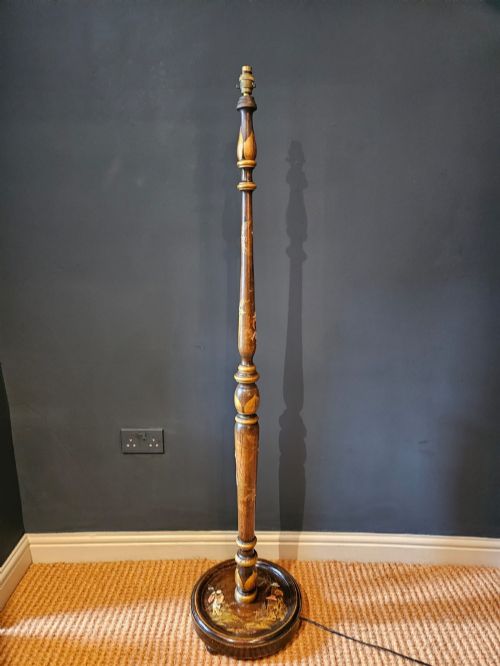
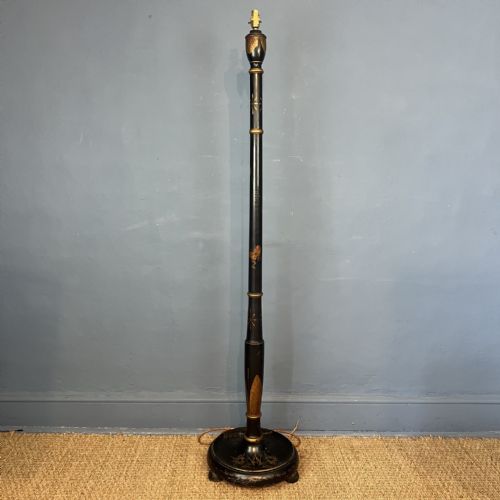
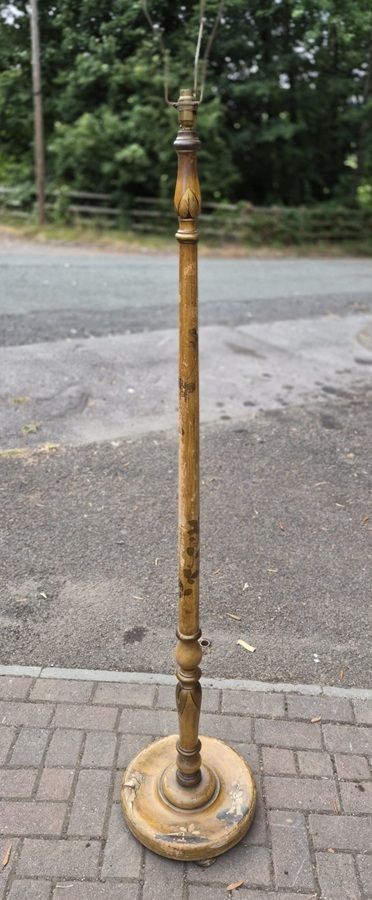
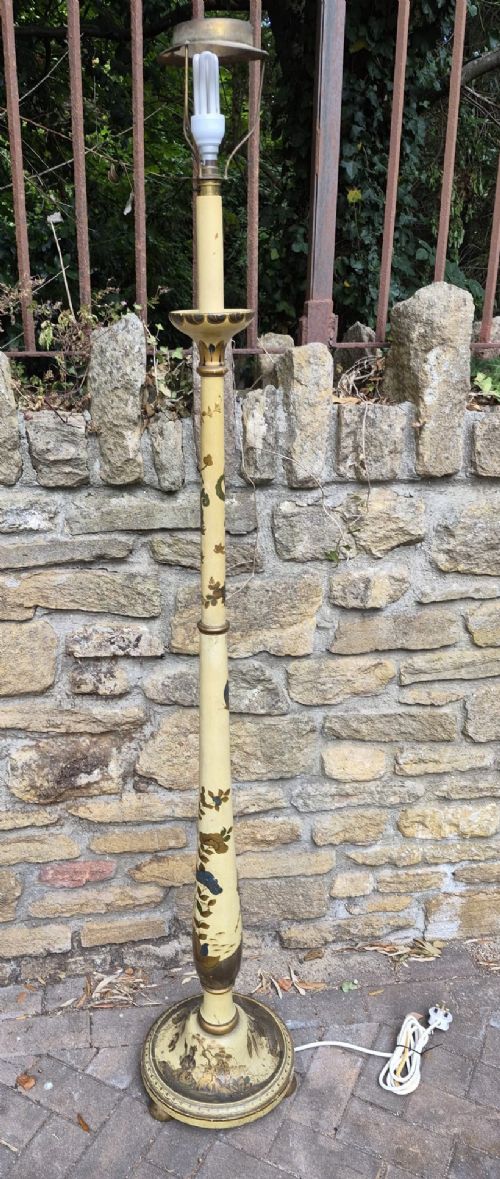
A lacquer standard lamp is a tall floor-standing lighting piece designed to illuminate a corner or seating area. When searching for this phrase, a buyer encounters upright wooden shafts decorated with oriental motifs, commonly termed chinoiserie. The form stands as a substantial vertical element in a room, marrying utility with decorative ambition.
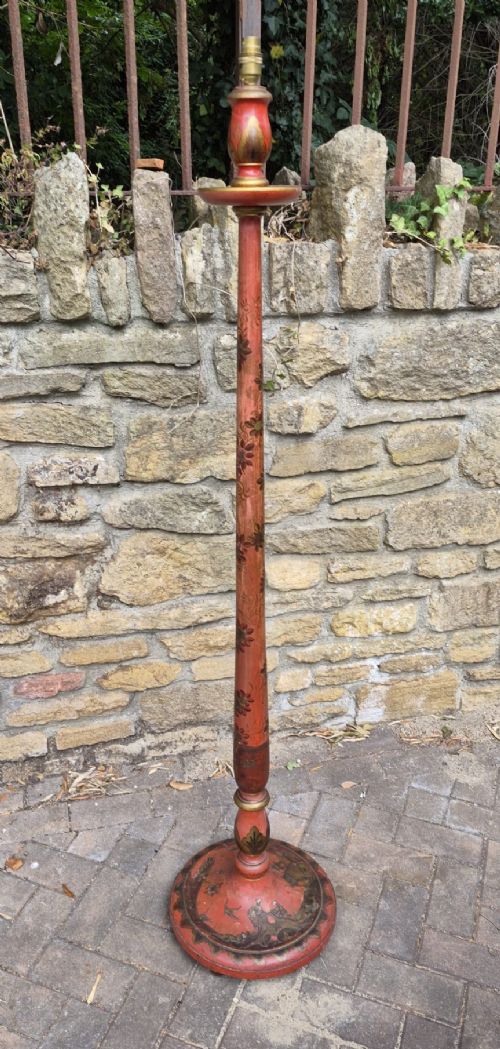
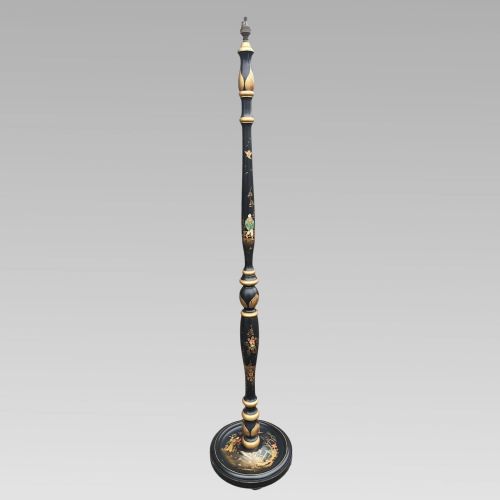
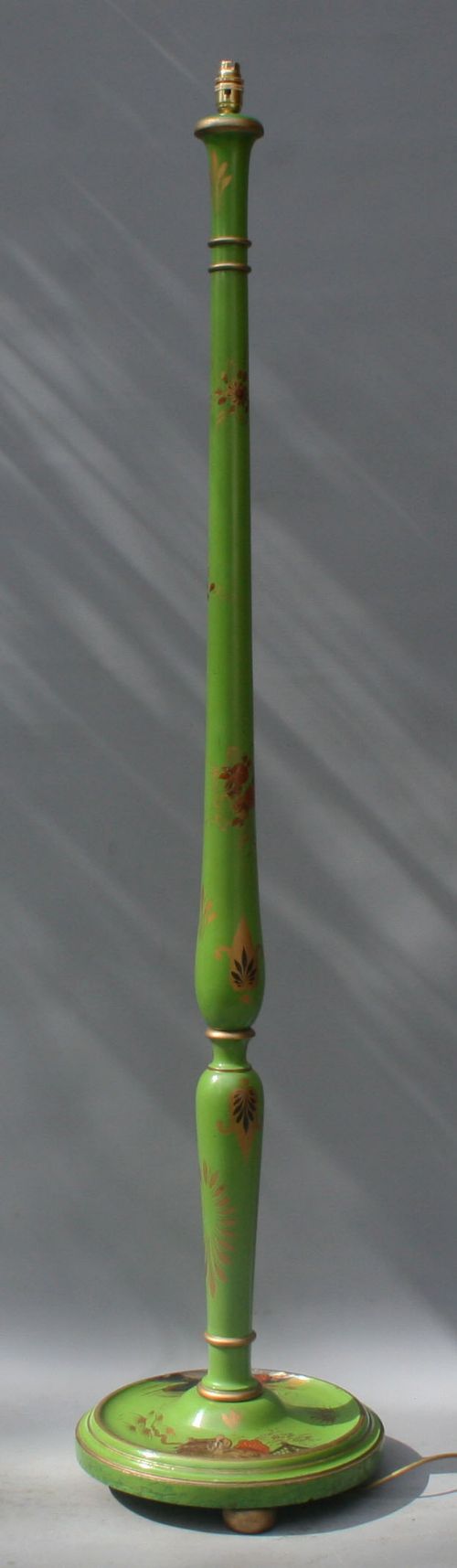
The version most frequently met on this page dates from the Edwardian period or the nineteen-twenties, finished in black, red, green or blue lacquer. Many examples pair the painted wooden base with fabric shades, sometimes supplied as handmade additions. These lighting pieces reflect a sustained taste for orientalist decoration across late nineteenth and early twentieth century interiors.
How they were made
Makers constructed these floor standing pieces using turned wood as the primary substrate, shaped on a lathe to create balanced vertical columns. The wooden core received layers of lacquer, paint and gilt to build up the smooth decorative surface characteristic of chinoiserie work. Brass components occasionally appear in the electrical fittings or structural mountings.
The painted ornamentation relies on hand-applied pigment and gold leaf to depict figures, landscapes and flora in the Asian taste. Once decorated, the wooden shafts were wired for electricity, often accompanied by fabric shades constructed from silk or matching textile materials.
Current and past listings show these standard lamps spanning from the nineteenth century through the nineteen-thirties, predominantly finished in black, red, green and blue lacquer.
What varies in quality
Quality in these lighting pieces rests upon the crispness of the hand-painted chinoiserie decoration and the depth of the lacquer finish. Superior examples display detailed brushwork and richly layered pigments, whereas simpler pieces show more mechanical or faded application.
The turnery of the wooden standard itself dictates the physical presence of the object, with well-proportioned columns offering greater visual balance. The preservation of the original painted surface without excessive overpainting marks the distinction between standard production and finer surviving examples.
The Lacquer Standard Lamp Glossary
- Chinoiserie
- European decorative style reflecting Chinese artistic influences through motifs of figures, pavilions and landscapes. This aesthetic dominates the painted surfaces found on standard lamps from the Edwardian era onwards.
- Standard lamp
- A freestanding floor lamp designed to hold a shade at height. The term is widely used interchangeably with floor standing lamp in British antique trade parlance.
- Lacquer
- A durable resin finish applied in multiple layers to wood and polished to a smooth sheen. It provides the glossy coloured ground upon which oriental designs are painted.
- Japanned
- An European imitation of East Asian lacquerwork popular in furniture and decorative objects. The process involves specific varnishes and heat treatments to achieve a hard finish.
- Turnery
- Wood shaped by being rotated on a lathe while cutting tools are applied. This technique produces the symmetrical columns and pedestals seen in standard lamp shafts.
Lacquer Standard Lamp: Frequently Asked Questions
What periods do these standard lamps come from?
The pieces available predominantly date from the Edwardian era and the nineteen-twenties, though Victorian examples also appear in the record. These dates reflect the height of domestic interior interest in orientalist revival styles.
Buyers will find that nineteen-ten and nineteen-twenty pieces make up the core of the selection, constructed with traditional turned wood shafts and painted lacquer finishes.
What colours of lacquer are available?
Black remains the most common ground colour for these floor lamps, offering a high contrast backdrop for gilt and painted oriental motifs. Red, green and blue lacquer finishes also feature across the selection.
Coloured lacquer variations allow the lighting pieces to coordinate with specific interior palettes while maintaining the characteristic chinoiserie decorative scheme.
How were these lamps used historically?
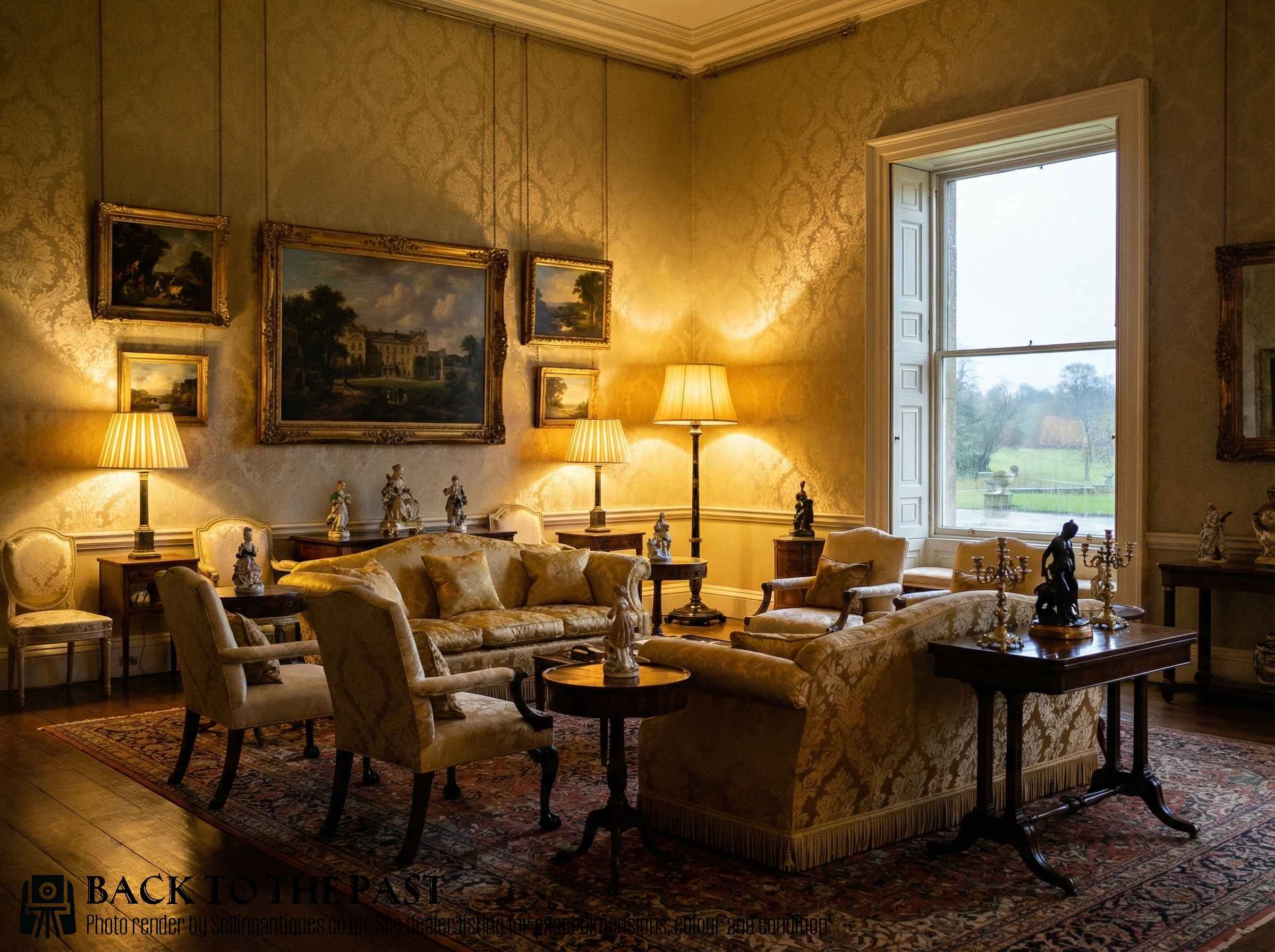
These tall lighting pieces stood beside armchairs or in corners of reception rooms to provide ambient illumination at a comfortable height. They served both as functional light sources and as prominent decorative accents.
The inclusion of fabric shades completed the assembly, casting downward light while displaying the decorative standard during daylight hours.
Are lamps sold with shades included?
Many listings include handmade fabric or silk shades, sometimes styled in traditional forms. Buyers should examine individual listings to confirm whether a shade accompanies the wooden standard.
Original or period-appropriate replacement shades help complete the silhouette of the floor lamp when placed in a modern interior.