
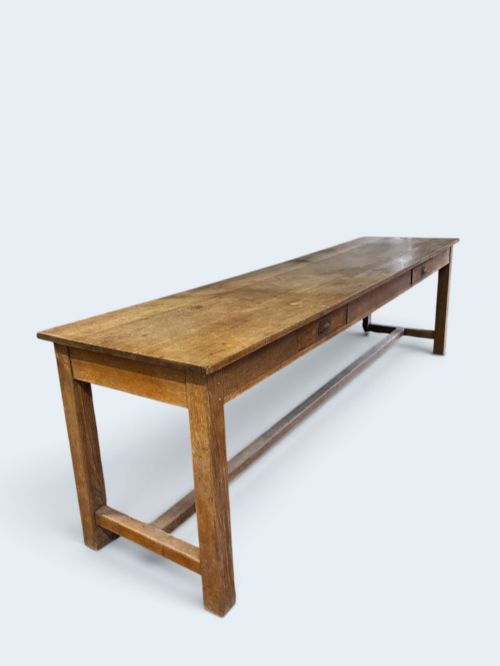
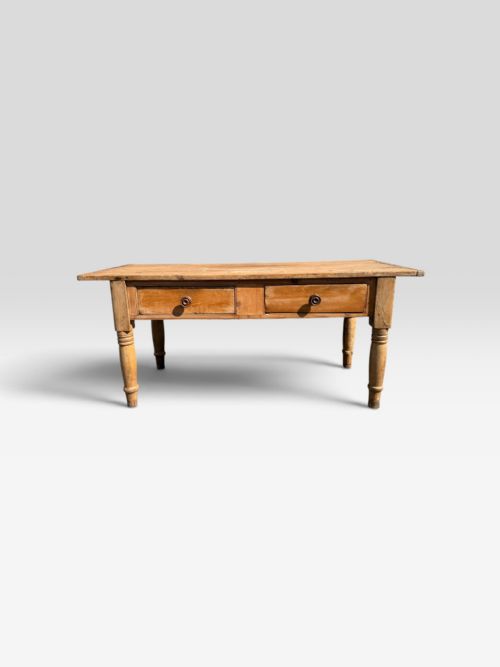
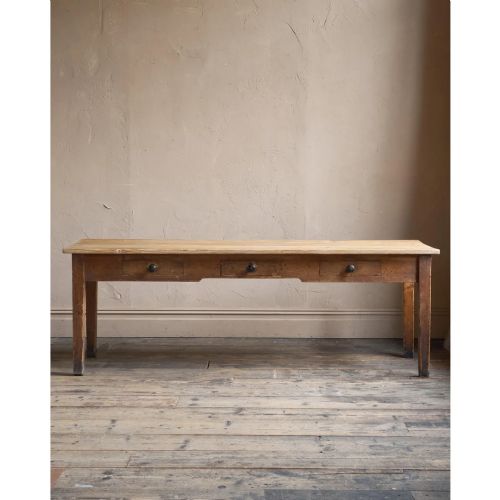
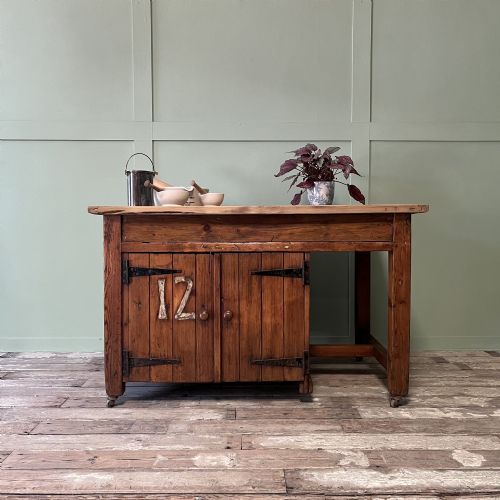


Kitchen Worktable
A kitchen worktable offers sturdy timber surfaces and practical drawers built for serious food preparation across the Victorian, Georgian and early twentieth-century periods.
Kitchen Worktable
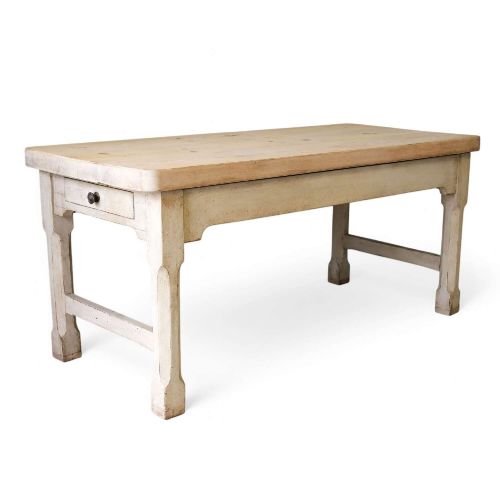
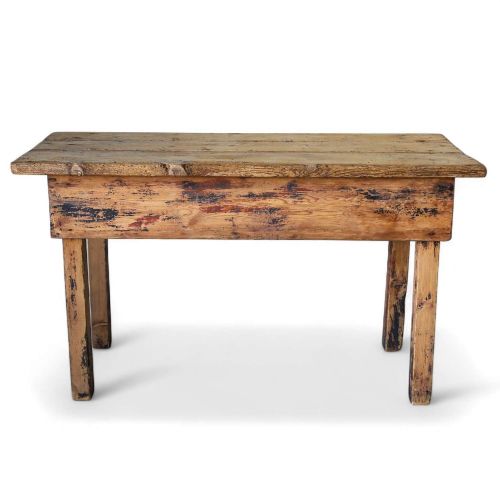
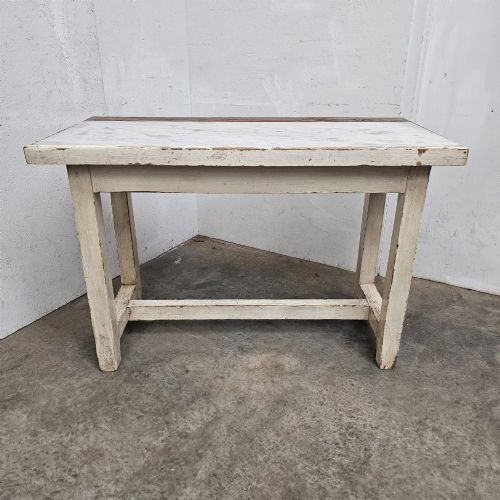
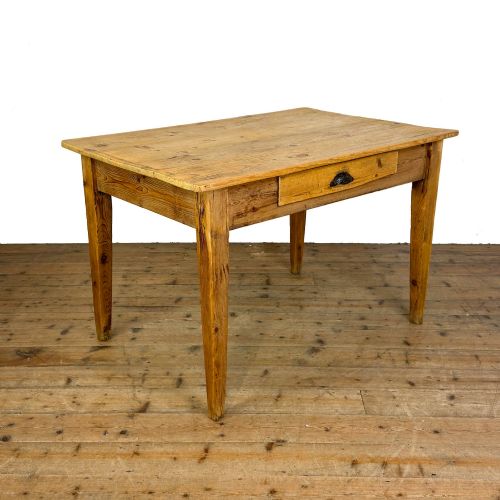
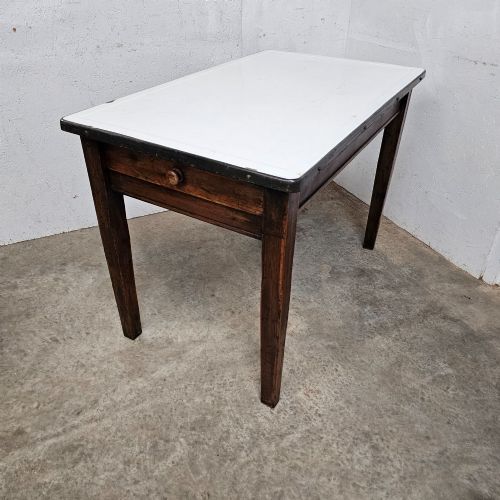
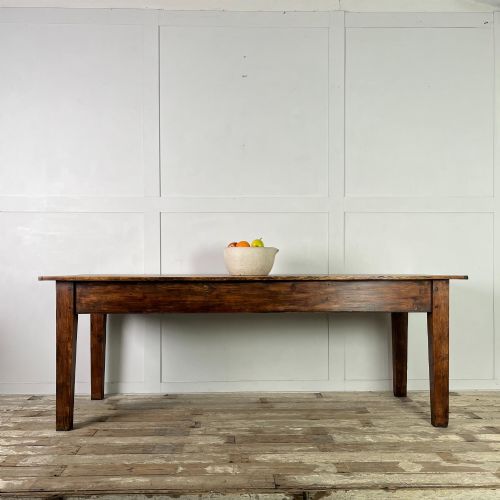
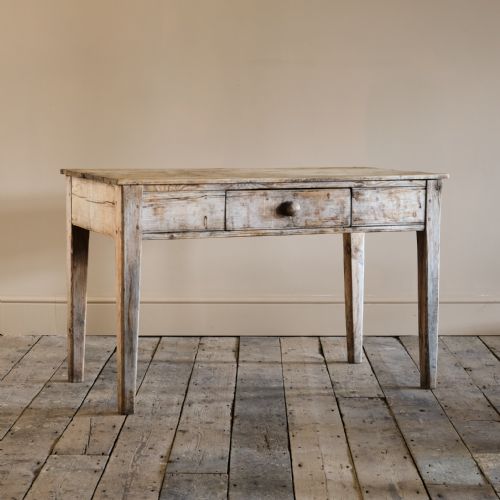
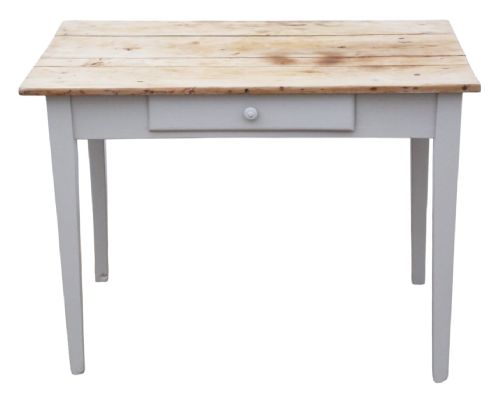
When you search for a kitchen worktable, you are looking at functional utility pieces designed for practical domestic and trade tasks rather than formal dining. The pieces gathered here span forms such as prep tables, scullery tables, bakers tables, drapers tables and workbenches.
You are most likely to meet nineteenth-century and early twentieth-century examples constructed primarily from pine, oak, beech and elm. These items arrive from English, French, Swedish and Spanish origins, reflecting diverse regional domestic traditions.
Many survivors retain original drawers, scrubbed tops or traces of early paint, showing clear evidence of active service in past kitchens and workshops.
How they were made
Carpenters built these tables using solid domestic timbers such as pine, oak, sycamore and chestnut, often pairing robust softwood frames with hardwood scrub tops designed for repeated washing. Joinery relied on traditional pegged mortise and tenon construction to withstand heavy daily labour.
Hardware additions utilised cast iron, brass, iron and bronzed mounts, securing drawers, drop handles and structural corners. Surfaces often received finishes of applied paint, stained treatments or simply bare scrubbed wood left exposed to the elements of daily kitchen use.
What varies in quality
The standard of a kitchen worktable depends heavily on the integrity of its timber and the honesty of its surface wear. Tables retaining untouched scrub tops or genuine original paint finishes demonstrate greater historical character than heavily altered or excessively stripped examples.
Construction heft and proportion also set pieces apart, with thicker solid oak or pitch pine tops and robust original drawer framing commanding higher regard than lighter domestic builds.
The Kitchen Worktable Glossary
- Scrub top
- A wooden tabletop left bare and cleanable through repeated scrubbing with soap and water. This treatment highlights the natural grain of pine, sycamore or elm.
- Scullery table
- A heavy utilitarian table used in the scullery for messy kitchen tasks like washing and food preparation. These pieces typically feature robust timber construction and deep drawers.
- Bakers table
- A specialised work table designed for rolling dough and baking, frequently featuring scrubbed wooden surfaces or marble inserts. They originate from domestic kitchens and professional bakeries alike.
- Drapers table
- A long, wide table originally utilised in textile shops for measuring and folding cloth. Their generous proportions make them highly adaptable for modern kitchen work.
- Workbench
- A heavy-duty table created for artisanal or trade work, constructed from sturdy hardwoods like beech and oak. They bring industrial utility and utilitarian charm into domestic spaces.
Kitchen Worktable: Frequently Asked Questions
What is a kitchen worktable used for?
These tables served historical households as dedicated surfaces for food preparation, baking, scullery tasks and general domestic labour.
Today they function effectively as central kitchen islands, prep stations or sideboards providing useful drawer storage.
How do I tell an old pine table from a modern reproduction?
Genuine antique tables show authentic signs of age through timber shrinkage, tool marks, old fixings and natural patination built up over decades of use.
Look closely at the construction joints, drawer runners and underside boards to verify period hand-craftsmanship.
Can I use a scrub-top table for daily cooking?
Scrub-top tables were specifically designed for heavy domestic labour and food preparation, making them well-suited for modern culinary use.
Regular cleaning and simple oil maintenance help protect the historic softwood or hardwood surface from everyday moisture and stains.
What is the difference between a prep table and a dining table?
Prep tables generally prioritize utilitarian strength, thick scrubbable timber tops and integrated drawers for kitchen implements over refined formal aesthetics.
Dining tables usually feature finer finishes and leg clearances intended primarily for seated dining rather than standing preparation work.