

Kitchen Scrub Table
A kitchen scrub table brings solid timber utility and centuries of practical domestic history straight into a modern home.
Kitchen Scrub Table
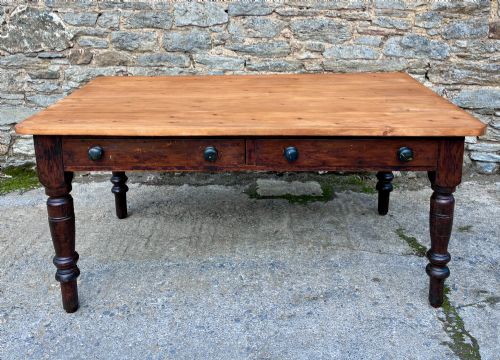
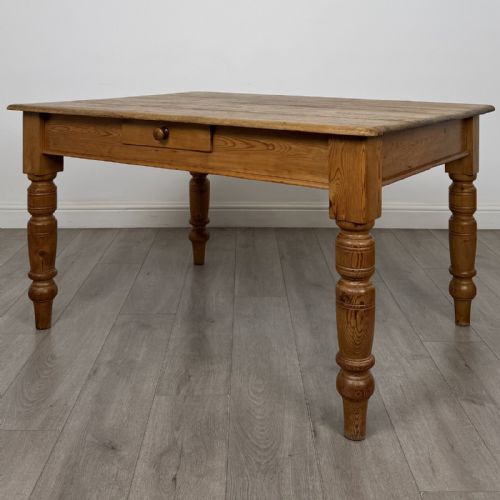
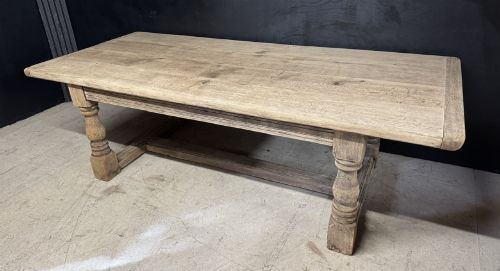
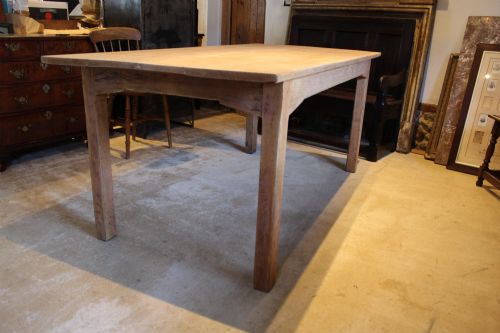
A kitchen scrub table is a heavy-duty utilitarian surface designed originally for rigorous food preparation, scrubbing, and daily domestic labour in sculleries, dairies, and farmhouses. These pieces emerge predominantly from the nineteenth and early twentieth centuries, spanning periods from the Georgian era through to the nineteen thirties. Buyers searching this phrase meet sturdy everyday furniture shaped by practical necessity rather than formal parlour display.
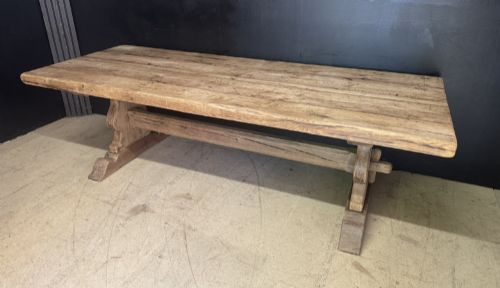
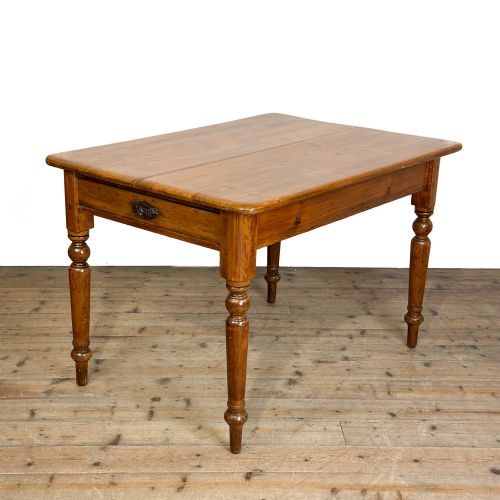
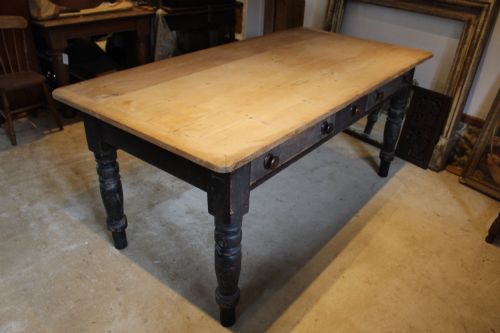
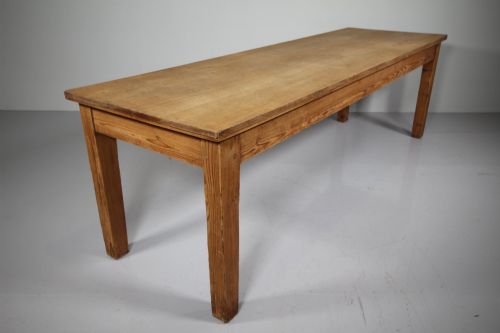
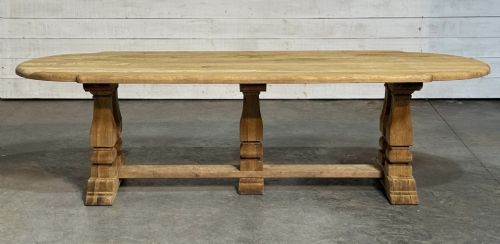
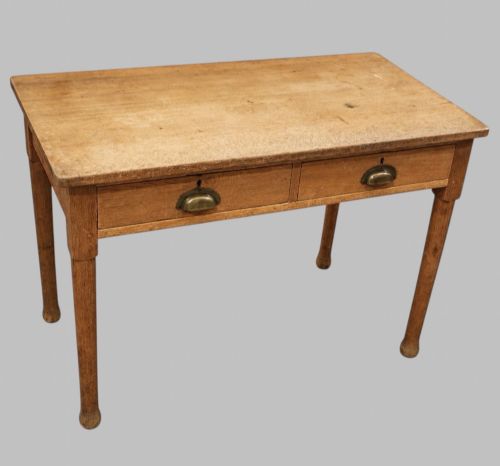
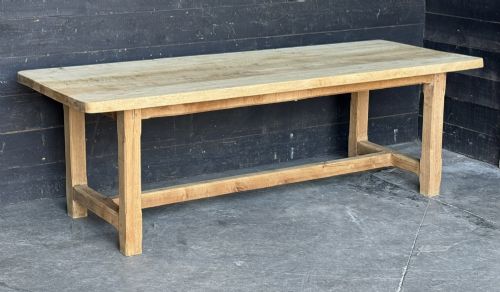
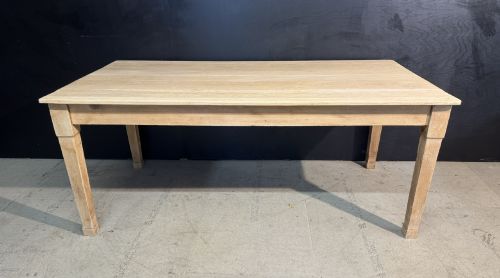
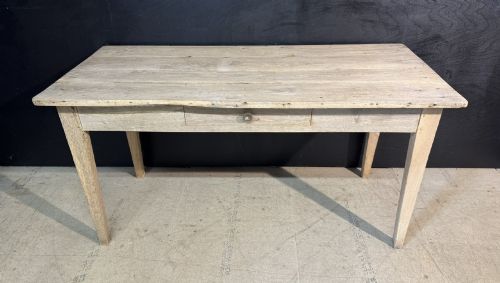
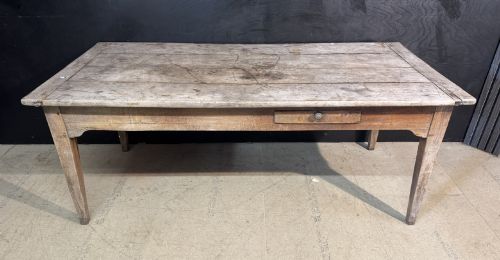
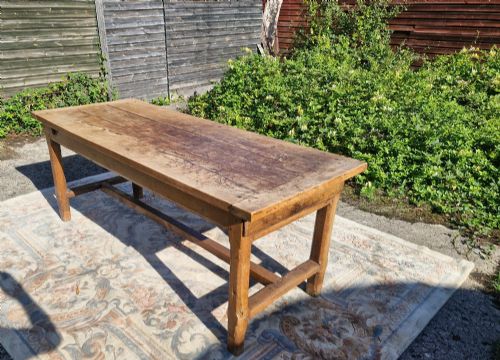
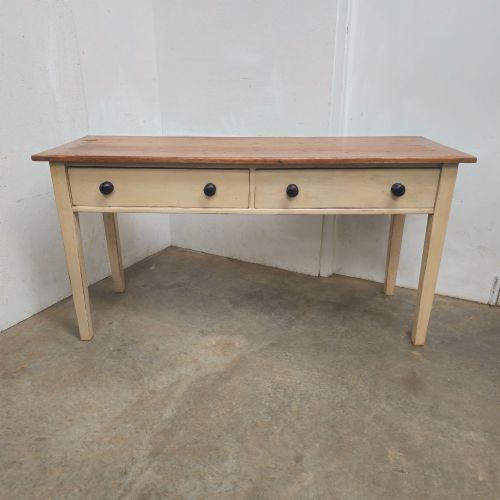
The most common examples on this page are constructed from pine, often featuring scrubbed wooden tops designed to withstand repeated cleaning with water and sand or stone. Oak and fruitwood versions also appear, alongside variants with painted wooden bases or original paint finishes. Forms range from simple four-legged tables to pieces equipped with drawers, trestle supports, and refectory proportions suited to seating large households.
Geographic origins extend across English country houses and taverns, French provincial settings, and Scandinavian farmsteads. Styles lean toward the rustic and traditional, reflecting local vernacular woodworking traditions rather than strict academic design movements. These tables function equally well today as central dining hubs or practical kitchen islands.
Materials and construction methods
Makers relied heavily on domestic softwoods and hardwoods like pine, pitch pine, oak, and sycamore, selecting timber for strength and resilience under heavy daily use. Pine scrub tops were frequently scoured clean with water and abrasive stones, leaving a pale, weathered grain texture that defines their appearance today. Structural supports utilised robust joinery, square section legs, and occasionally brass or metal hardware for reinforcement.
Surface finishes vary between natural scrubbed wood and applied pigments, including original paint, later paint, and traditional regional coatings such as Swedish Falu red. Tables designed for work often incorporated practical additions like single or double drawers for utensils and storage. Carpenters built these items to endure constant physical stress rather than decorative preservation.
Kitchen Scrub Table Retail Price Guide 2026
Typical asking prices for kitchen scrub table among the pieces listed under this phrase on Sellingantiques today, from the lower quarter to the upper quarter. They describe what is for sale here now, not the wider market.
Distinctions in quality and execution
Quality in a kitchen scrub table rests on the integrity of the original timber and the proportion of the frame. Superior examples display dense, well-figured grain on the top boards and sturdy, unaltered undercarriages without excessive structural timber replacement. The depth of the top and the stability of the legs determine how well the table holds its original character.
Surface treatment significantly influences character, particularly where traces of original paint survive on the skirts and legs. Tables that retain honest signs of period use without inappropriate modern sanding or aggressive alterations command greater interest from collectors who value authentic domestic history.
The Kitchen Scrub Table Glossary
- Scrub top
- A bare wooden table surface designed to be scrubbed clean with water and abrasive materials. This treatment lightens the timber and creates a characteristic tactile grain.
- Refectory
- A long, narrow dining table style traditionally used in communal dining halls. These pieces offer extended surface area and generous legroom.
- Falu paint
- A traditional red paint originating from Sweden, made from copper mine waste water and linseed oil. It provides a distinct matte finish known for preserving timber.
- Dresser base
- The lower section of a kitchen storage unit featuring cupboards or drawers. These pieces served as primary prep surfaces in sculleries.
- Trestle
- A structural support system consisting of horizontal beams held up by pairs of sloping legs. This design provides maximum stability and seating space along the length of the table.
Kitchen Scrub Table: Frequently Asked Questions
What is a scrub table?
A scrub table is a utilitarian work table historically used for food preparation, baking, and cleaning in farmhouse kitchens and sculleries. The bare wooden top was scrubbed regularly to maintain hygiene.
Today these tables serve as durable dining surfaces or kitchen islands, bringing rustic character and historic utility into contemporary living spaces.
How do I clean a scrub top?
Cleaning a bare timber scrub top involves warm water, a stiff brush, and mild soap or soda to lift surface dirt without damaging the wood grain. Avoid harsh chemical sealants that alter the historic texture.
Allow the timber to dry naturally after washing to prevent warping or splitting in modern heated indoor environments.
Are these tables suitable for daily dining?
These pieces were originally built to withstand rigorous daily domestic use, making them exceptionally robust for modern family dining and kitchen activities. Their solid timber construction handles heavy weights and constant interaction easily.
Using placemats and coasters helps protect the historic surface from moisture rings and heavy stains while retaining the natural patina.
How do I date an antique table?
Dating relies on observing construction techniques, tool marks, timber selection, and overall joinery style relative to known historical periods. Hand-sawn boards and older fastener types indicate earlier centuries.
Paint layers, wear patterns, and regional design characteristics further help narrow down the decade or century of origin.