


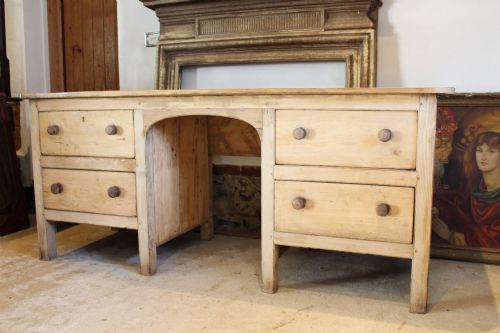


Kitchen Dresser Top
A kitchen dresser top provides the upper shelving and display space for utility and storage in traditional rooms.
Kitchen Dresser Top
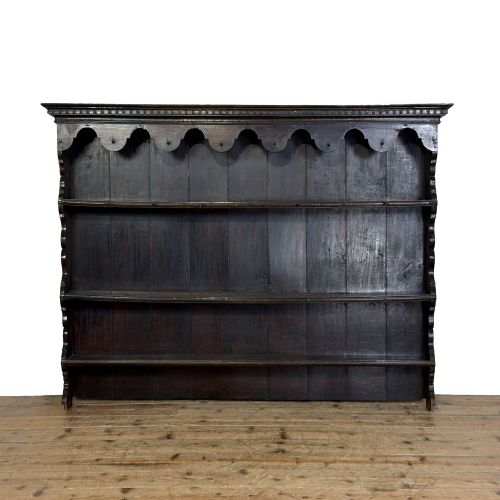
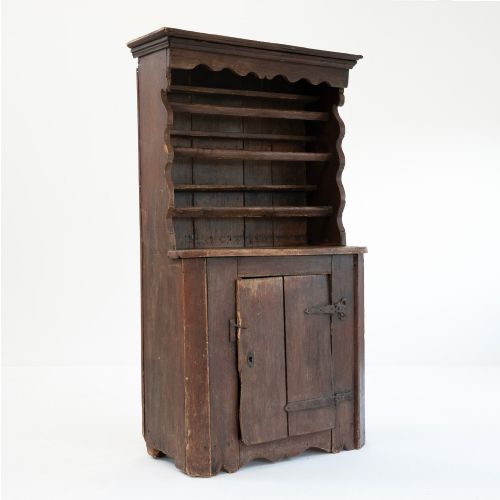
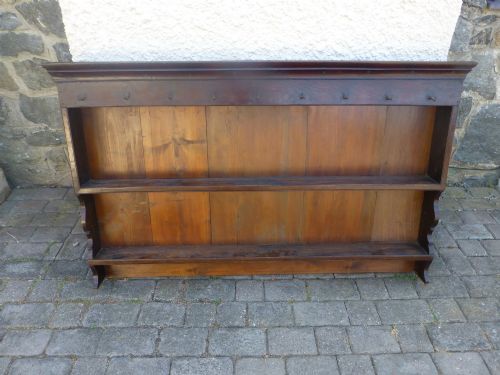
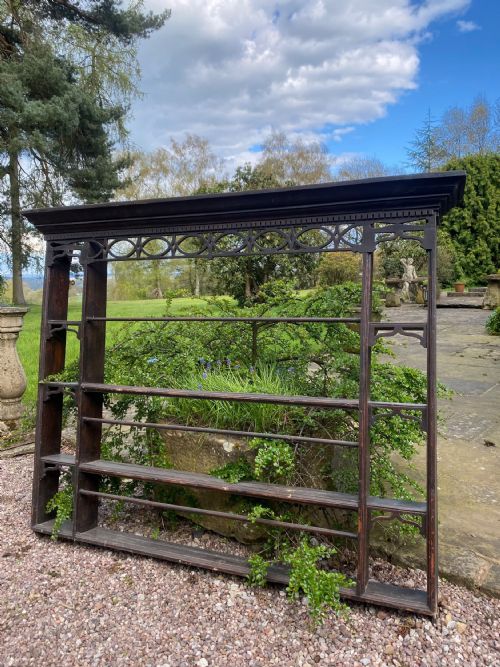
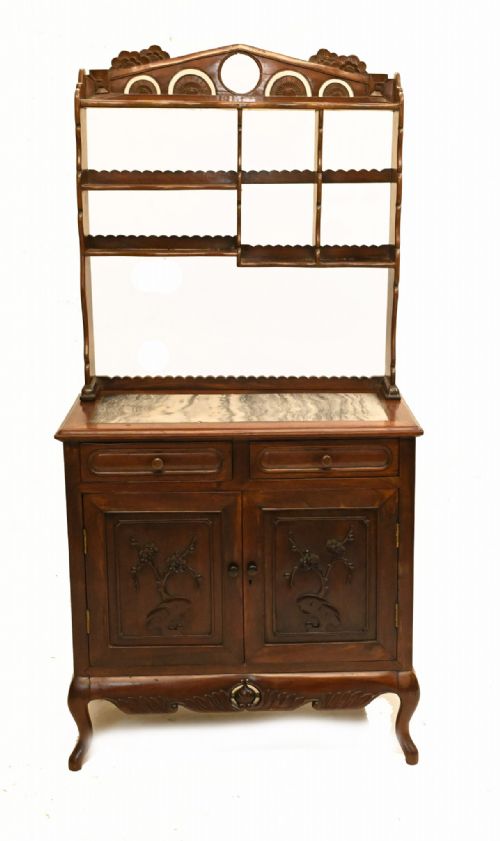
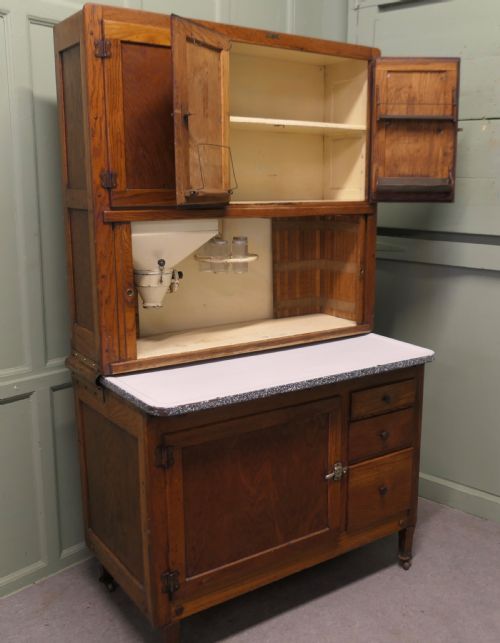
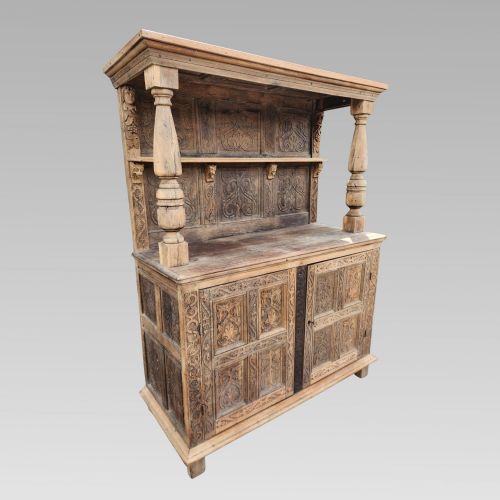
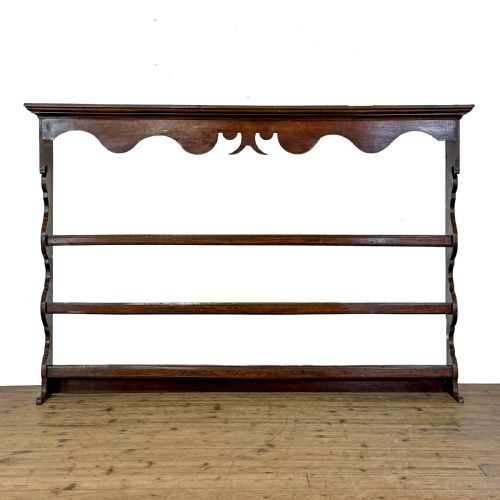
A kitchen dresser top acts as the upper shelving unit or plate rack intended to sit upon a base or hang directly on a wall. When searching for a kitchen dresser top, buyers encounter architectural forms designed for displaying plates, pottery, and kitchenware.
The selections span periods from the 18th century through to the Victorian era, utilising traditional timbers such as oak and pine. Many examples originate from English, Scottish, Irish, and Welsh traditions, reflecting regional variations in domestic storage.
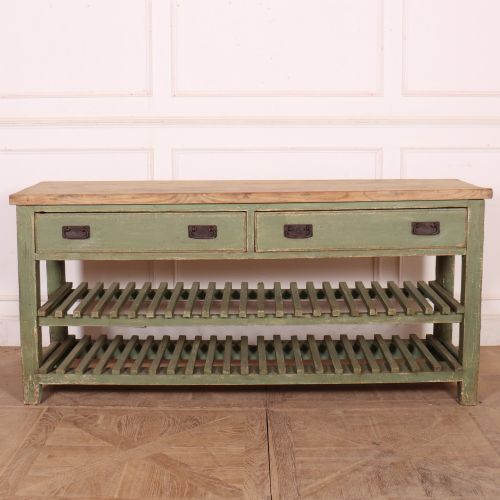
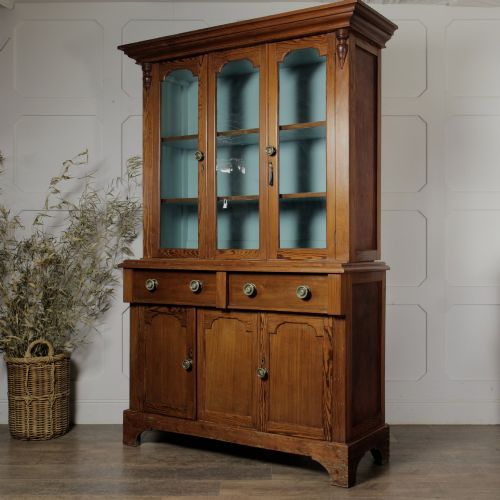
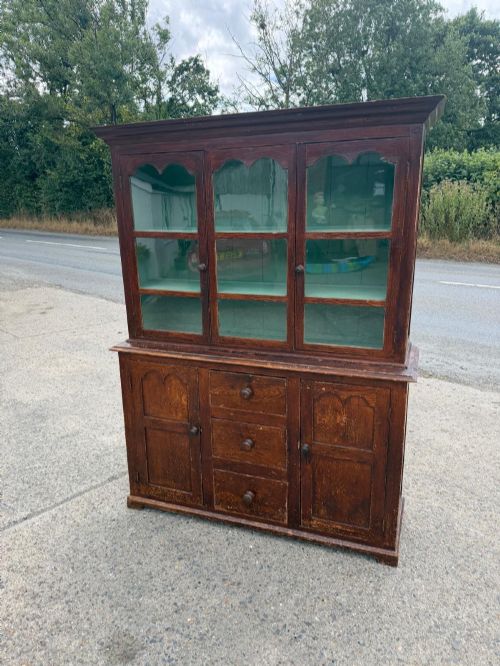
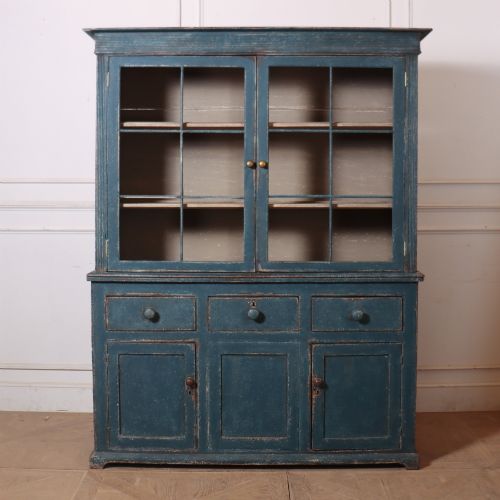
Forms range from open plate racks with wooden slats to glazed cupboards and fitted bookcases. These pieces serve to organise daily crockery while contributing established character to a kitchen interior.
How they were made
Carpenters constructed these upper sections primarily using solid oak and pine, incorporating brass, iron, or metal hardware for hanging and structural support. Surfaces frequently display historic layers of painted wood or stripped finishes that reveal the grain of the timber.
Joinery methods relied on traditional pegging and hand-planed boards to build plate rails, plate grooves, and cornice details. Glazed sections incorporate individual glass panes secured within timber frames, while painted finishes utilise early distemper or lead-based paints subsequently weathered through decades of domestic use.
Kitchen Dresser Top Retail Price Guide 2026
Typical asking prices for kitchen dresser top among the pieces listed under this phrase on Sellingantiques today, from the lower quarter to the upper quarter. They describe what is for sale here now, not the wider market.
The listings demonstrate construction predominantly in pine and oak, spanning the 18th, 19th, and early 20th centuries across British, Irish, and continental workshops.
What varies in quality
Proportion and construction depth dictate the balance of the rack when mounted above a sideboard or fixed to a wall. Superior examples display thoughtful joinery in the cornice moulding and robust sidewalls designed to support heavy ceramics without sagging.
Hudson Bros
The Kitchen Dresser Top Glossary
- Delft rack
- An open wooden shelving unit designed to display plates and ceramic tableware upright against a wall or atop a dresser base. These racks feature horizontal timber slats and plate grooves to prevent crockery from slipping.
- Plate groove
- A shallow channel rebated into the surface of a shelf to hold the rim of a dinner plate securely at an angle. This technical detail ensures displayed ceramics remain stable.
- Cornice
- The decorative moulded projection that crowns the uppermost edge of a dresser top or cupboard. It provides a finished architectural transition between the furniture and the ceiling.
- Potboard
- A lower open shelf positioned near the floor on traditional dressers, though the term occasionally relates to heavy base construction associated with upper racks. It historically held large pots and heavy kitchen utensils.
Kitchen Dresser Top: Frequently Asked Questions
How do I hang a kitchen dresser top?
Wall mounting requires locating solid structural studs or masonry behind the plaster to bear the substantial weight of timber and heavy crockery. Heavy-duty steel brackets or hidden French cleats are screwed securely into the framework of the rack.
Professional installation is recommended due to the sheer weight of antique oak and pine sections. Ensure the vertical uprights are plumb before loading shelves with heavy plates.
Can I use a dresser top without the base?
Many surviving racks and upper cupboards function successfully as standalone wall-hung units. They were frequently constructed as distinct modular sections separate from the server or sideboard below.
Mounting the top directly to the wall creates practical open shelving in compact kitchens. Check that the lower edge is finished cleanly where it would normally meet the base unit.
How do I clean antique pine and oak?
Dust timber surfaces regularly with a dry, soft cloth to prevent grit accumulation in the grain and carved mouldings. Avoid modern silicone sprays or harsh chemical detergents that strip historic patina.
Feed dry antique wood occasionally with a traditional beeswax polish applied sparingly. Buff the surface gently with a clean cloth to maintain a natural, soft lustre.
Are these racks suitable for heavy modern crockery?
Traditional pine and oak construction provides robust structural strength capable of supporting standard ceramic dinnerware. The fixed shelves and plate grooves are engineered specifically to bear the weight of heavy earthenware.
Distribute heavier serving platters and large bowls toward the lower sections of the rack. Inspect the wall fixings periodically to ensure the mounting remains secure under load.