





Kerman Weaving Carpet
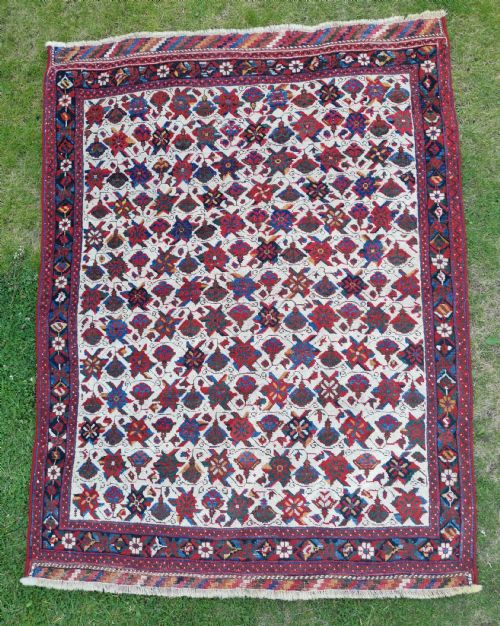
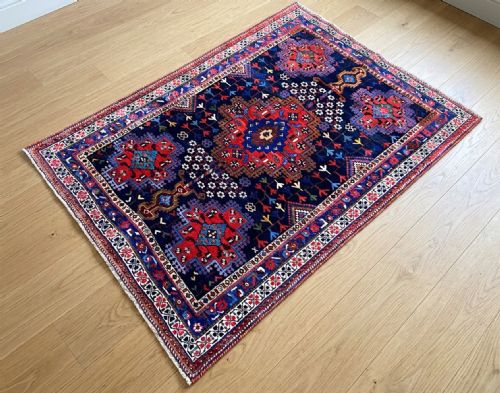
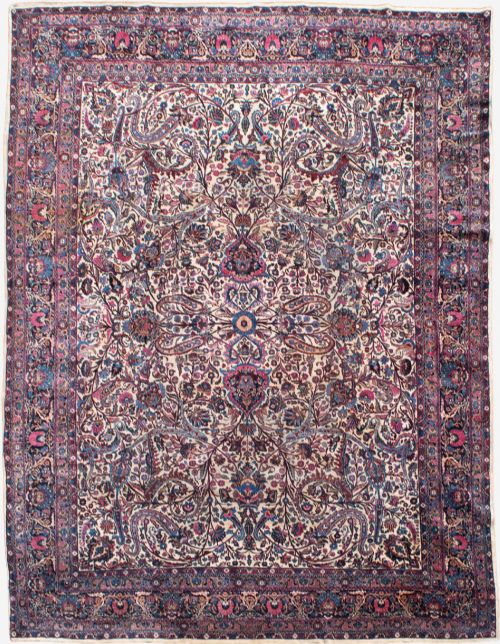
These kerman weaving carpet examples bring dense botanical fields and geometric tribal weavework into a room.
Kerman Weaving Carpet
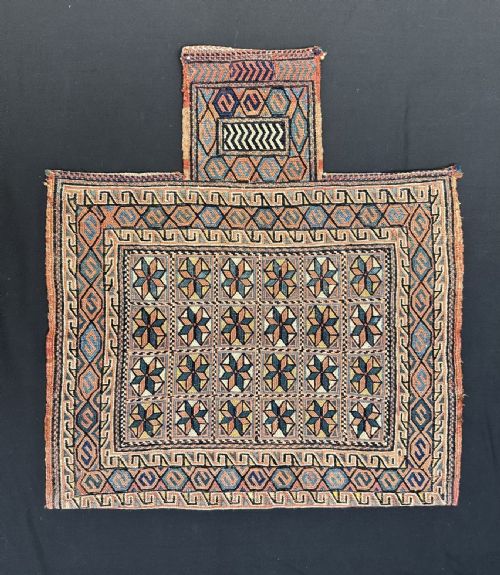
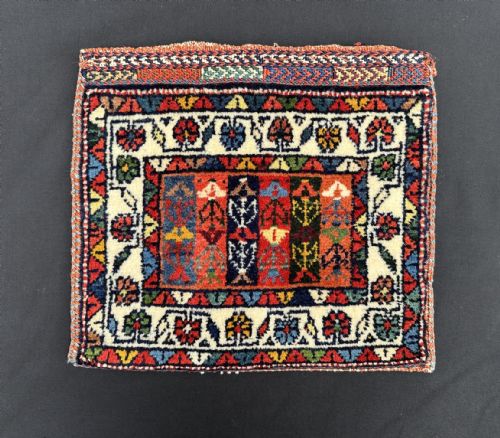
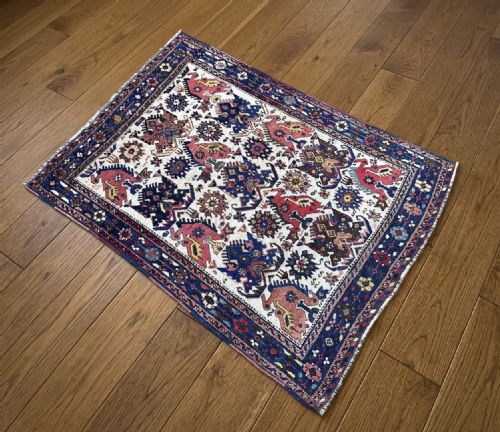
When you search for a kerman weaving carpet, you enter a field split between large city carpets and smaller tribal works from the same province. The city carpets arrive as room-size roomsize carpets and mats featuring floral motifs, while the tribal pieces take the form of rugs, salt-bags, vanity-bags, and soumaks.
The material record spans from the late nineteenth century into the mid-twentieth century, capturing periods from eighteen seventy through to nineteen forty. Pieces originate from South Persia, specifically including the Neiriz region and Bardsir, alongside specific types such as Lavar Kirman and Afshar.
Most items you will meet on this page lean towards traditional Persian styles and Persian tribal designs. They serve as floor coverings or textile art, offering either expansive floral compositions or precise geometric village weaving.
How they were made
The material foundation relies on wool and cotton, utilised together to build durable pile foundations and sturdy flatweaves. Natural dyes provide the colour palette across both city pieces and village textiles.
Weaving techniques range from standard pile knotting for large carpets and rugs to soumak wrapping and specialised bag-face construction. Tribal makers deployed these structures for utility items like salt-bags and vanity-bags, while city workshops executed fine room-size carpets.
Kerman Weaving Carpet Retail Price Guide 2026
Typical asking prices for kerman weaving carpet among the pieces listed under this phrase on Sellingantiques today, from the lower quarter to the upper quarter. They describe what is for sale here now, not the wider market.
Some weavers packed their belongings into intricately patterned salt-bags before settling down to knot massive room-size carpets.
What varies in quality
Quality shifts according to the precision of the weave and the clarity of the design work. Finer knot counts in city Kirman pieces allow for intricate floral and boteh patterns, whereas village pieces rely on bold, uncluttered geometry.
The handling of natural dyes dictates the depth of the visual field. Materials that retain rich, saturated tones without muddying demonstrate superior execution by the weaver or workshop.
The Kerman Weaving Carpet Glossary
- Boteh
- A stylised almond or pear-shaped motif representing a floral shoot or cypress tree. This pattern appears frequently in repeat designs across Kirman rugs.
- Soumak
- A flatweave technique where supplementary weft threads wrap around the warp threads before passing back. This method creates a textured, durable surface often seen in tribal bags and rugs.
- Lavar Kirman
- A specific designation for finer, older woven pieces associated with the Kirman region. They are known for delicate floral rendering and soft palettes.
- Afshar
- A nomadic or settled tribal group originating from southern Persia. Their weaving employs geometric patterns and distinct regional colour combinations.
Kerman Weaving Carpet: Frequently Asked Questions
Where were these carpets made?
These textiles originate from the Kerman province in South Persia. Production encompasses both urban workshops and regional tribal areas like Neiriz and Bardsir.
Makers included village weavers producing utilitarian bags and tribal rugs alongside larger urban manufactories crafting room-size carpets.
How do I care for a wool rug?
Protect the natural wool pile by avoiding direct, harsh sunlight and using a quality underlay to prevent slipping and friction. Vacuum gently without a rotating brush roll to keep the fibres intact.
Address spills immediately by blotting with a clean cloth rather than rubbing. Professional cleaning suited for natural dyes is recommended when deep maintenance is necessary.
What is the difference between a rug and a carpet?
In this category, carpets generally refer to large room-size floor coverings designed to anchor a major space. Rugs and mats occupy smaller scales, often suited for specific seating areas or secondary rooms.
Tribal pieces also include smaller functional items like salt-bags and vanity-bags rather than floor textiles.
How do I date an antique rug?
Dating relies on stylistic markers, structural analysis of the wool and cotton foundations, and the character of the natural dyes. Pieces in this collection span from the late nineteenth century through to the mid-twentieth century.
Minor variations in weave density and tribal iconography help narrow the period of origin within that broader timeframe.