




Jugendstil Glassware
Jugendstil glassware brings organic fluidity and rich iridescence into your home, capturing the vital decorative spirit of turn-of-the-century European design.
Jugendstil Glassware
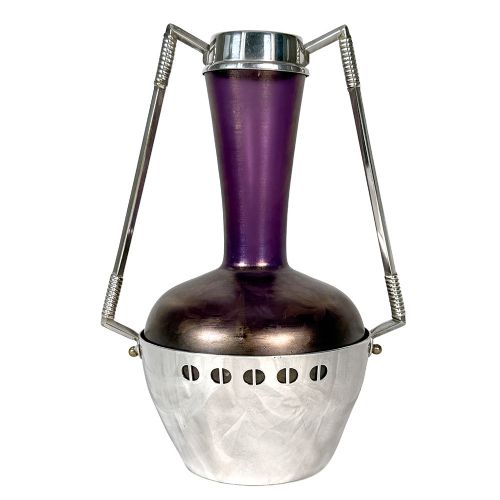
Vases dominate the available forms, often presented in metallic mounts of silver plate or pewter that enhance their sculptural silhouettes. Drinking vessels such as cordial glasses, hock glasses, and wine goblets also appear, frequently adorned with detailed floral enamel work. These items reflect the broader aesthetic ambitions of the period, bridging the gap between functional household objects and expressive fine art.
Materials and methods
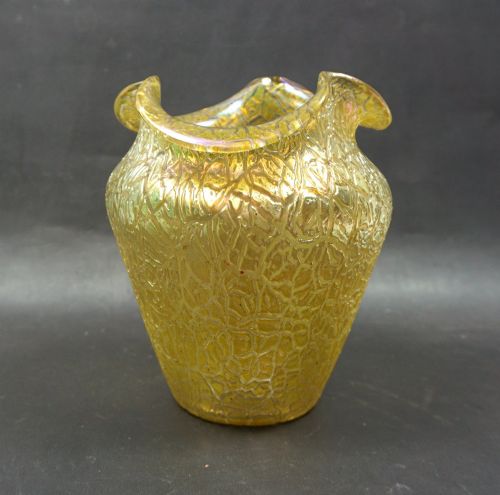
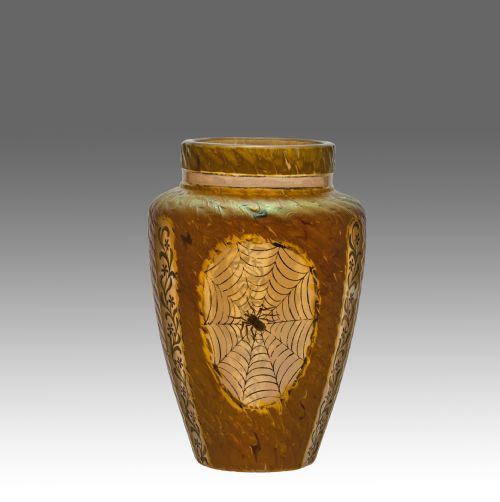
The makers of this glassware utilised blown glass techniques to achieve fluid, organic shapes, often incorporating iridescent finishes that shift in colour under changing light. Artisans applied gold leaf and polychrome enamel decoration by hand directly onto the glass surface, building rich floral and abstract patterns. Crystal and standard glass bodies served as canvases for these complex surface treatments.
Metalworking played an essential supporting role, with pewter and silver plate mounts framing the glass components. Workshops combined these disparate media securely, creating harmonious dual-material objects typical of the Vienna Secession and associated styles. The integration of metal stands and collars required skilled casting and fitting to complement the undulating contours of the blown glass.
Jugendstil Glassware Retail Price Guide 2026
Typical asking prices for jugendstil glassware among the pieces listed under this phrase on Sellingantiques today, from the lower quarter to the upper quarter. They describe what is for sale here now, not the wider market.
Listings feature iridescent glass alongside crystal and blown glass forms.
Assessing quality and execution
Quality in this medium rests upon the depth and permanence of the iridescent sheen and the precision of the hand-enamelled details. Superior examples display complex optical effects within the glass itself, rather than relying solely on superficial coatings. The vibrancy of the enamel colours and the crispness of the hand-painted floral motifs distinguish finer pieces from standard production.
The integration of metal mounts also dictates overall value and desirability. Finely chased pewter or substantial silver plate frames that fit the glass vessel precisely indicate superior manufacturing standards. Pieces that maintain both their original metal mounts and undamaged enamel work represent the highest tier of this category.
Loetz·Argentor·Theresienthal·Kralik Glass·Frits Hechert·Adelbert Niemeyer·J Reinemann
The Jugendstil Glassware Glossary
- Iridescent glass
- Glass treated with metallic salts while hot to produce a rainbow-like sheen on the surface. This technique mimics natural weathering found on ancient excavated glass.
- Enamel decoration
- Opaque or translucent glass powder applied to a glass vessel and fired in a kiln to fuse permanently. It allows for intricate, colourful patterns and raised textures.
- Silver plate
- A base metal, such as copper or brass, coated with a thin layer of pure silver. It provided a luxurious appearance at a lower cost than solid silver during the period.
- Pewter
- A malleable metal alloy consisting primarily of tin, often used for mounts and stands in continental European design. It takes on a soft, dark grey patina over time.
- Roemer
- A traditional Germanic drinking vessel featuring a wide bowl and a cylindrical stem decorated with applied glass prunts. They often display detailed enamelling of crests or floral scenes.
- Crystal
- Clear glass containing metal oxides that increase its refractive index and weight. This material allows for brilliant clarity and sharper cutting than standard glass.
Jugendstil Glassware: Frequently Asked Questions
What is the difference between art nouveau and jugendstil?
Art Nouveau is the broader international movement encompassing French, Belgian, and British design inspired by natural plant forms. Jugendstil specifically represents the German-speaking iteration of this aesthetic, drawing from the same organic vocabulary.
Both styles appear on this page, sharing a common dedication to flowing lines and rejecting rigid historicism. Regional variations primarily manifest in the lettering and specific framing details used by the workshops.
Were these wine glasses meant for daily use?
Many of these delicate hock and cordial glasses served primarily for formal dining and special occasions rather than everyday refreshment. Their intricate enamel decoration and fine crystal bodies required careful handling even when new.
Today, they function best as display pieces or for very occasional celebratory toasts. Their fragile nature makes cautious preservation essential.
How can I date my iridescent glass vase?
Examine the overall form, manufacturing techniques, and any associated metal mounts to establish a general timeframe. Most pieces on this page originate from the decades around nineteen hundred.
Stylistic cues such as organic shapes and specific metallic finishes point directly to this turn-of-the-century window. Comparing the piece to documented examples from known makers helps narrow the decade further.