


Josef Lorenzl Statue
A josef lorenzl statue brings the sleek, kinetic grace of Art Deco interior sculpture straight into a room.
Josef Lorenzl Statue
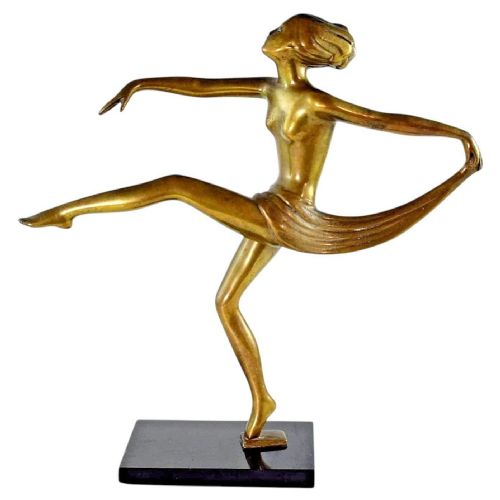
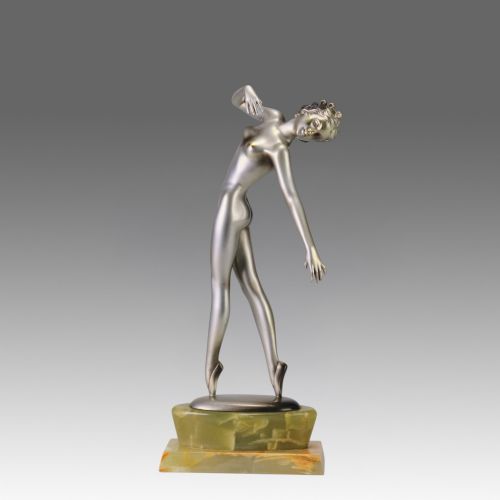
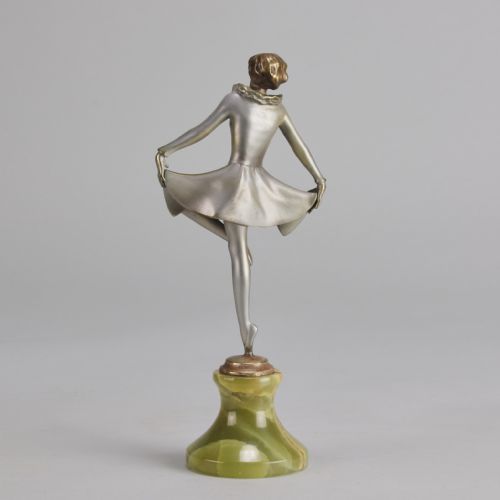
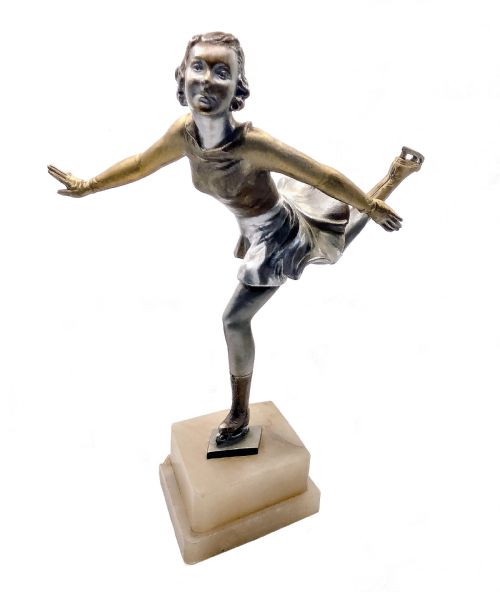
When you examine a josef lorenzl statue, you look at figures defined by the distinct aesthetic of the Art Deco period. These sculptures capture dancers, performers, and female figures in motion, spanning decades like the 1920s and 1930s.
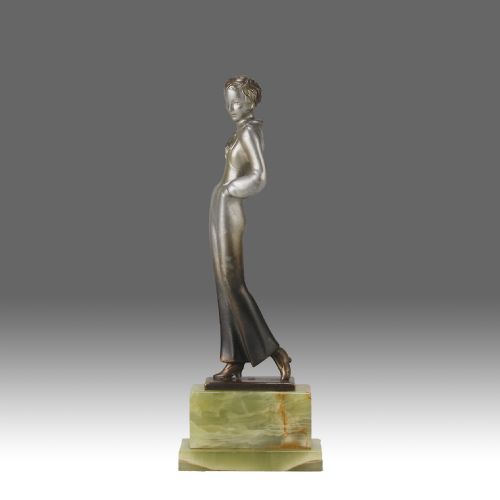
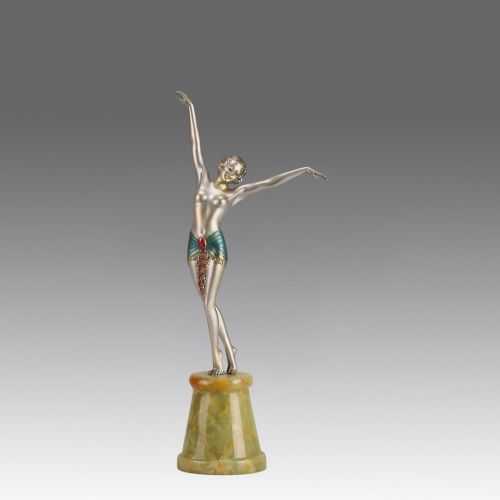
The objects take the form of figurines, statuettes, and larger sculptures, often depicting named subjects such as Maria Jeritza or specific characters like the Trouser Girl and the Egyptian Dancer. Most examples display slender, outstretched silhouettes designed to occupy mantelpieces or display surfaces.
Materials and construction methods
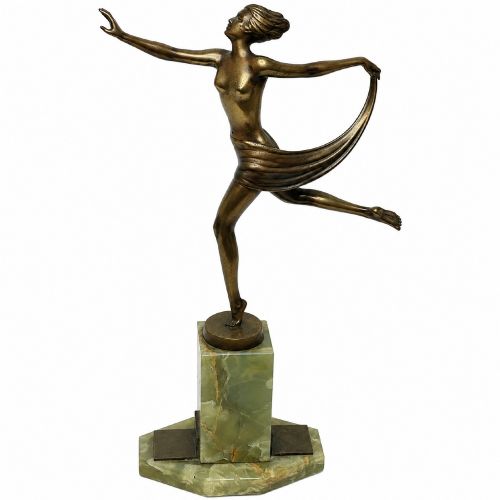
Sculptures frequently incorporate bases made from onyx, marble, or wood to anchor the metal figures securely. These mixed materials define the physical presence of the works, pairing heavy stone plinths with delicate metallic figures.
Several dancers extend their arms so wide they seem ready to leap right off the mantelpiece.
Distinctions in craftsmanship
Quality in a josef lorenzl statue rests on the crispness of the casting and the preservation of the applied cold paint or enamel finish. Finer examples retain their original surface coloration and show precise detail in the facial expressions and drapery of the clothing.
The choice of base material also separates tiers of production, with substantial marble and onyx plinths indicating a higher grade of manufacture compared to simpler wooden mounts or alternative metal alloys like spelter.
Josef Lorenzl
The Josef Lorenzl Statue Glossary
- Art Deco
- A design style of the 1920s and 1930s characterised by streamlined forms, geometric symmetry, and a focus on modernity. This aesthetic heavily influences the posture and clothing of the figures.
- Cold-Painted Bronze
- A bronze sculpture painted with oil-based paints that are not fired in a kiln. This technique provides the vibrant colours seen on the garments of many dancer figures.
- Spelter
- A zinc alloy frequently utilised as a cost-effective substitute for bronze in decorative figures. It provides a similar metallic appearance while possessing different weight and density characteristics.
- Onyx
- A banded variety of chalcedony gemstone commonly cut and polished into heavy bases for sculptures. It offers a smooth, variegated stone surface beneath the metal figures.
Josef Lorenzl Statue: Frequently Asked Questions
What periods do these statues come from?
The listings span the interwar decades, specifically the 1920s and the 1930s. This era coincided with the height of Art Deco design across Europe.
Pieces from this timeframe reflect the cultural fascination with dance, theatre, and modern performance styles.
What metals were used for these figures?
Artists and founders utilised bronze, silvered bronze, and spelter to cast the bodies of the dancers and performers. Bronze provides durability and fine detail, while spelter serves as an alternative metal alloy.
Surface treatments such as cold-paint and enamel are frequently added to enhance the clothing and hair.
How do I identify a signed piece?
Makers and sculptors sometimes inscribed their signatures directly into the metal body of the sculpture or onto the supporting stone base. However, many surviving examples remain unsigned or rely on attribution based on style.
Examining the casting quality and posture can help link a piece to known design characteristics.
What types of bases support the sculptures?
Many figures are mounted upon heavy stone plinths made from onyx or marble to provide stability. Wood serves as an alternative base material for certain statuettes.
These bases complement the vertical reach of the dancers and scarf figures.