


Jointed Oak Furniture
Jointed oak furniture comprises sturdy historical pieces built with mortise and tenon joints, offering enduring utility and authentic early domestic character.
Jointed Oak Furniture
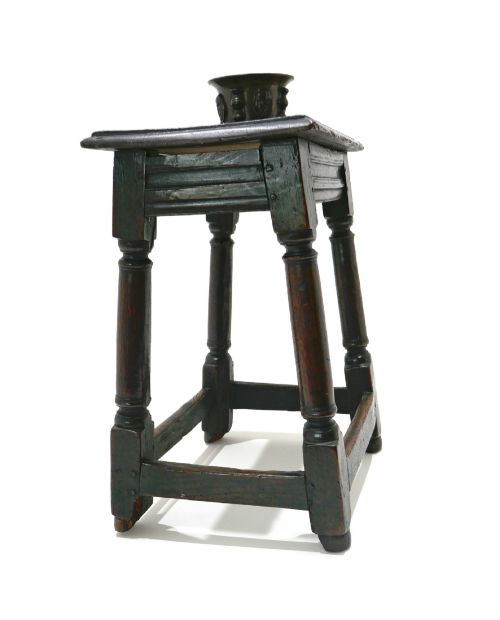
When you search for jointed oak furniture, you encounter sturdy early seating and storage forms designed for domestic use. The pieces span periods from the seventeenth century through to nineteenth-century revivals, reflecting long-standing carpentry traditions.
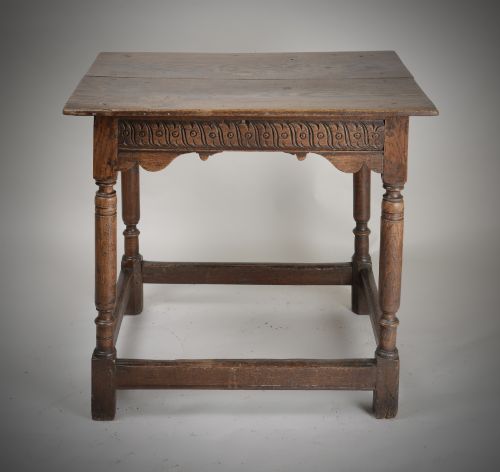
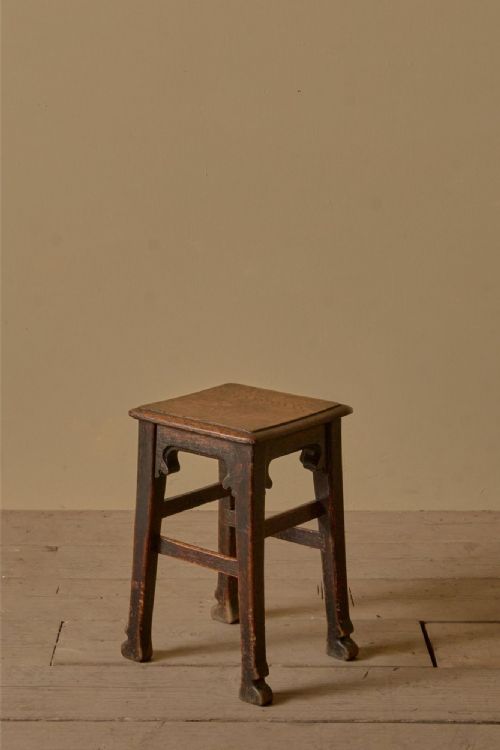
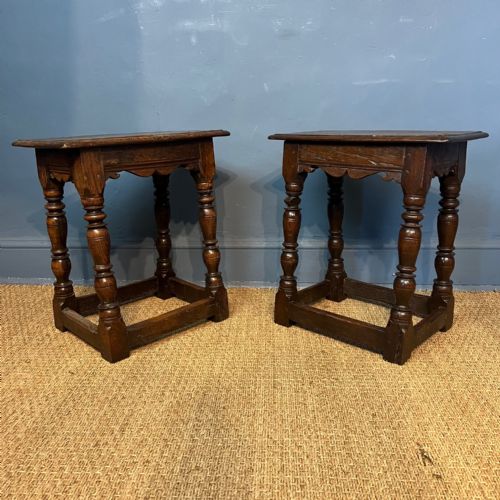
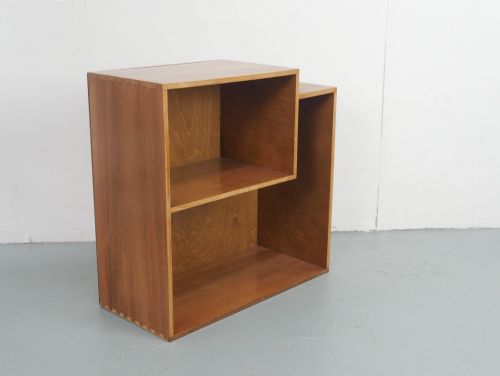
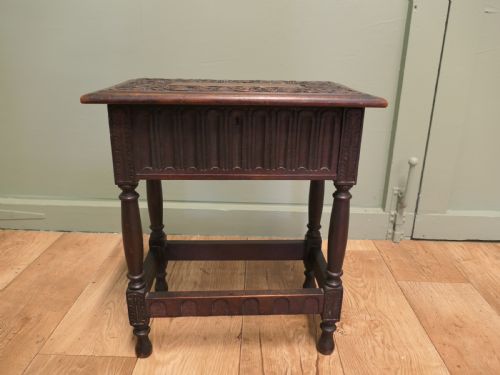
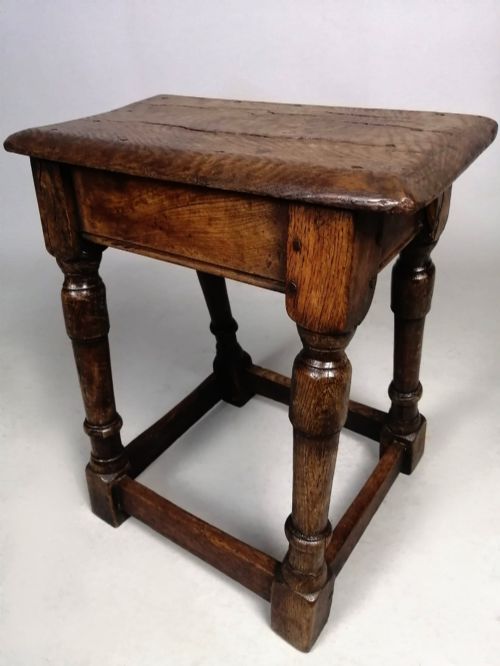
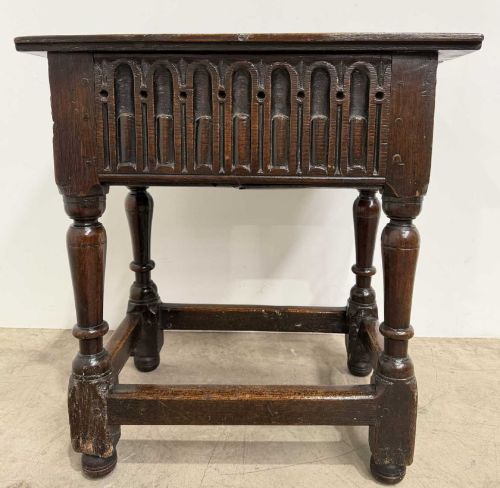
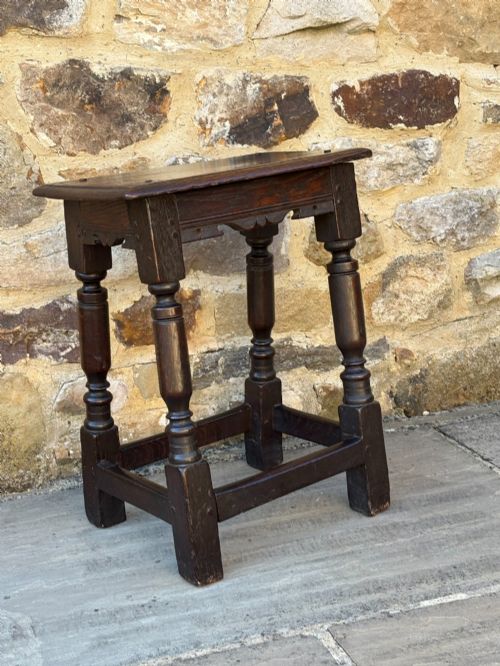
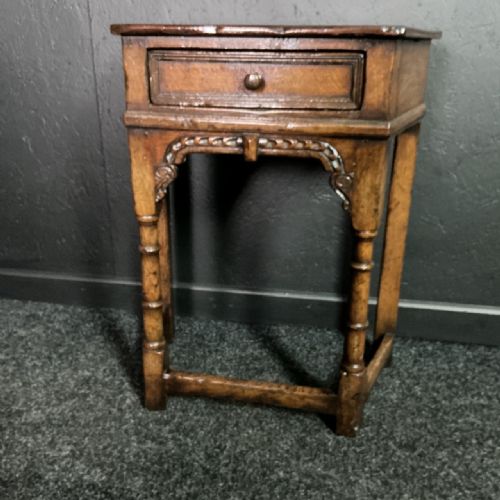
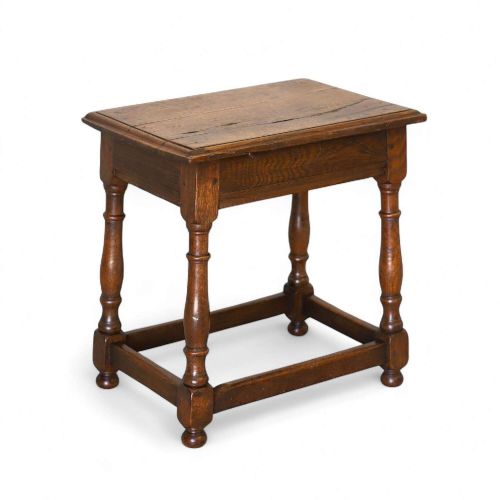
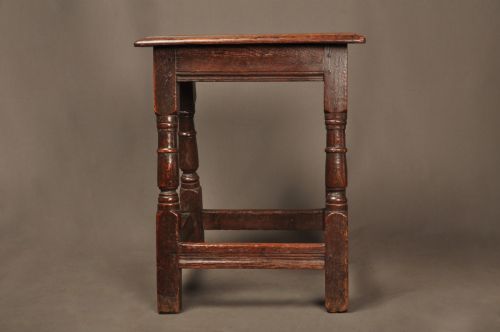
Stools and side tables dominate this selection, frequently featuring rectangular tops and pegged framing. Early examples sit alongside later nineteenth-century interpretations and twentieth-century interpretations, showing how makers replicated traditional methods across generations.
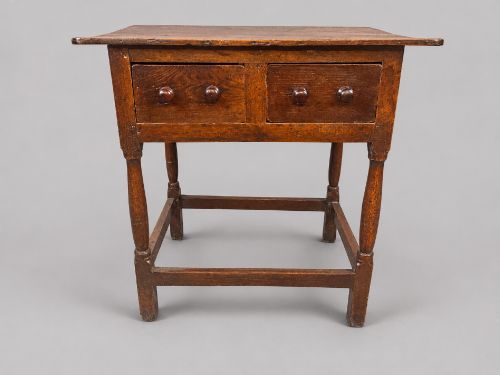
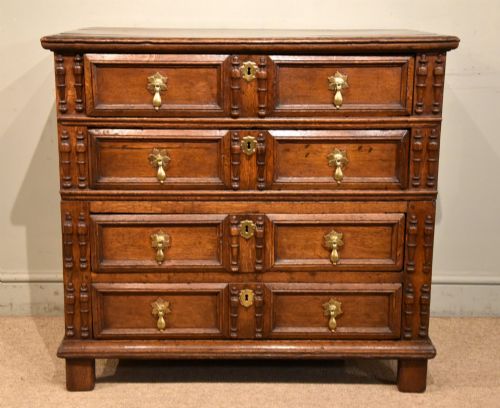
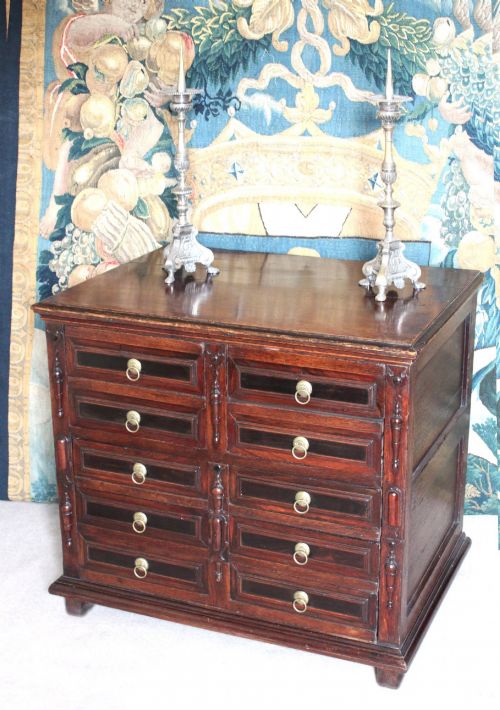
Origins stretch across English provincial workshops, with occasional regional variations apparent in the timber selection. Buyers meet distinct forms like lowboys, chests of drawers, and benches alongside the standard joint stools.
What varies in quality
Quality depends upon the integrity of the original timber and the retention of early pegged joints. Untouched surfaces displaying rich colour and minimal structural replacement command greater regard among collectors.
Proportion and crispness of moulded detail separate provincial examples from finer workshop output. Later revivals vary according to how closely makers adhered to historical joinery methods.
Jointed Oak Furniture Retail Price Guide 2026
Typical asking prices for jointed oak furniture among the pieces listed under this phrase on Sellingantiques today, from the lower quarter to the upper quarter. They describe what is for sale here now, not the wider market.
Miniature apprentice pieces and tiny doll stools let seventeenth-century craftsmen practice joinery skills on a teddy-bear scale.
David Oakleafman Langstaff
The Jointed Oak Furniture Glossary
- Joint stool
- A sturdy wooden stool constructed with mortise and tenon joints rather than turned legs inserted into a seat. These pieces served diverse seating and utilitarian functions in early households.
- Mortise and tenon
- A traditional woodworking joint where a protruding peg fits snugly into a corresponding cavity to lock timbers together firmly. This method provides the foundational strength for seventeenth-century frames.
- Wooden pegs
- Small cylindrical wooden pins driven through joints to secure timbers in place. They swell and tighten with age, holding the framework rigid.
- Lowboy
- A small low table with drawers, typically raised on four legs and produced in oak or walnut. These versatile items functioned as dressing or side tables in period rooms.
- Commonwealth
- An English historical period spanning the mid-seventeenth century associated with restrained decoration in furniture design. Pieces from this era often display austere geometric mouldings.
Jointed Oak Furniture: Frequently Asked Questions
How do I spot a true seventeenth-century joint stool?
Examine the construction methods visible underneath the top and around the frame connections. Genuine early examples show hand-cut mortise and tenon joints secured by handmade wooden pegs rather than modern screws.
Look closely at the timber grain and surface wear patterns accumulated over centuries. Authentic pieces display natural patination and tool marks left by early carpenters.
Were joint stools used just for sitting?
Historical domestic inventories show these sturdy items served multiple practical purposes around the home. People used them as small tables, steps to reach high beds, and even surfaces for serving food.
Their robust frame construction allowed them to withstand heavy daily labour without losing stability. This versatility explains their survival in large numbers across rural households.
What is the difference between an original and a revival piece?
Seventeenth-century pieces carry the structural wear, timber shrinkage, and tool marks consistent with early hand carpentry. Nineteenth-century revival items replicate these historical styles using machine-sawn timber or cleaner assembly cuts.
Comparing the colour and oxidation of the oak helps distinguish period surfaces from later interpretations. Revival furniture often reflects Victorian or Edwardian neatness rather than seventeenth-century provincial irregularity.
How should I care for historic oak furniture?
Keep wooden pieces away from direct heat sources and sudden humidity changes to prevent timber splitting. Apply traditional beeswax sparingly to maintain the natural finish without building up greasy layers.
Avoid synthetic polishes that seal the surface and attract dust into carved details. Gentle dusting with a dry cloth preserves the historical patina.