



Japanese Wooden Art
Japanese wooden art brings together intricate carvings and functional furniture from the nineteenth and early twentieth centuries, offering a tangible link to traditional craftsmanship.
Japanese Wooden Art
When you search for Japanese wooden art, you encounter a varied selection of items ranging from intricate animal sculptures to practical tables and traditional netsuke. The material spans simple boxwood and cedar to denser hardwoods shaped into striking forms.
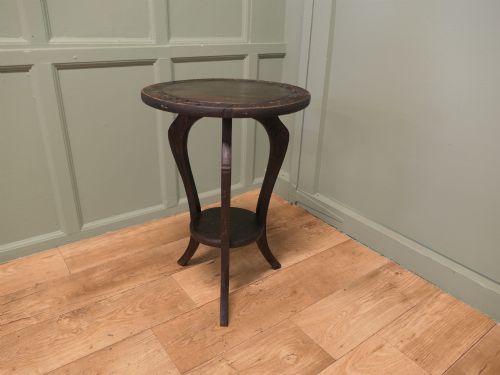
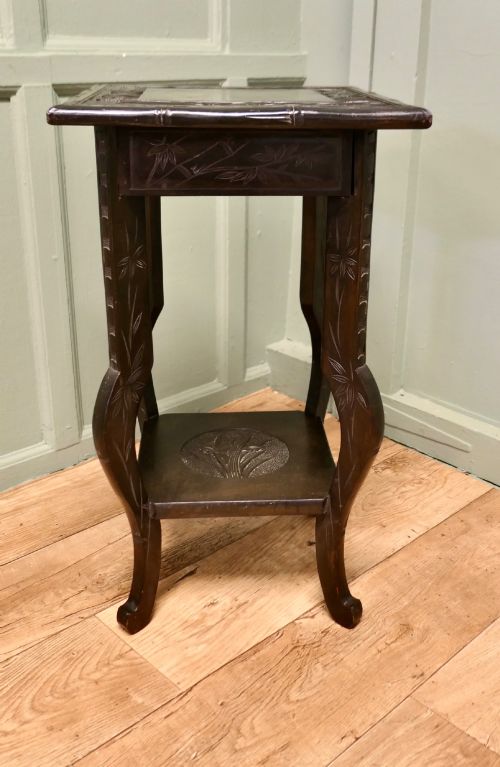
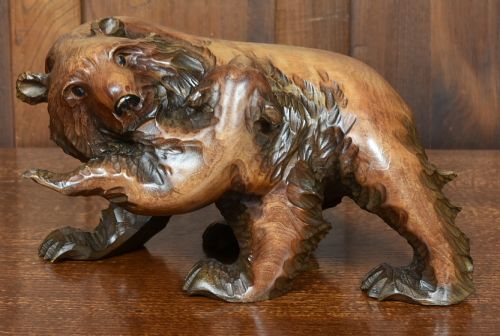
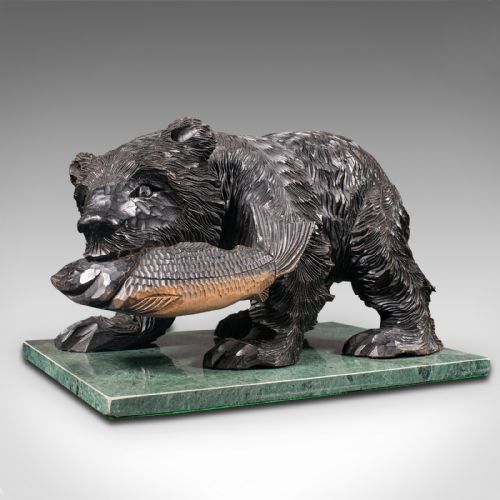
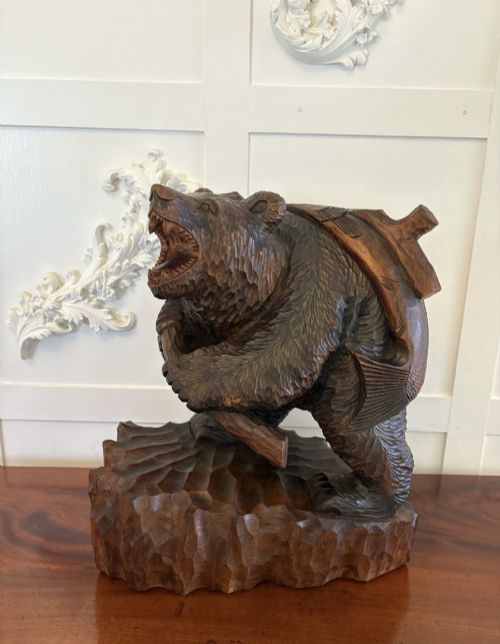
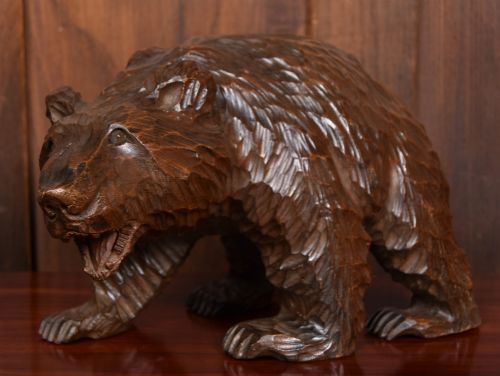
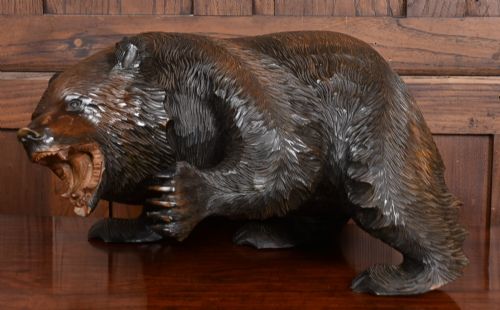
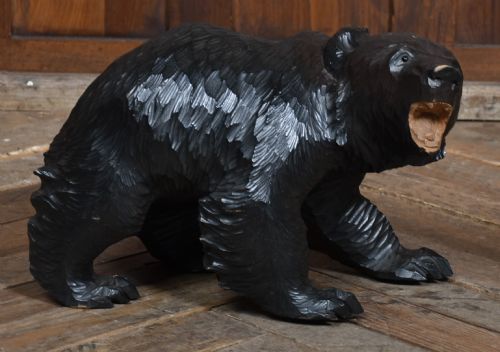
You are most likely to meet hand-carved bears known as kibori kuma, alongside small netsuke depicting toads, frogs, and rodents. Furniture pieces such as hibachi tables and step stools also appear among these traditional works.
Materials and construction
Makers utilised boxwood, cedar, linden wood, and general hardwood to achieve both smooth contours and detailed textures. Simple hand-carving tools shaped these woods, often leaving deliberate surface marks that show the hand of the maker.
Some decorative items incorporate contrasting materials such as copper and iron, while others utilise stain, lacquer, or champleve cloisonne enamel to highlight specific details on the wood.
Japanese Wooden Art Retail Price Guide 2026
Typical asking prices for japanese wooden art among the pieces listed under this phrase on Sellingantiques today, from the lower quarter to the upper quarter. They describe what is for sale here now, not the wider market.
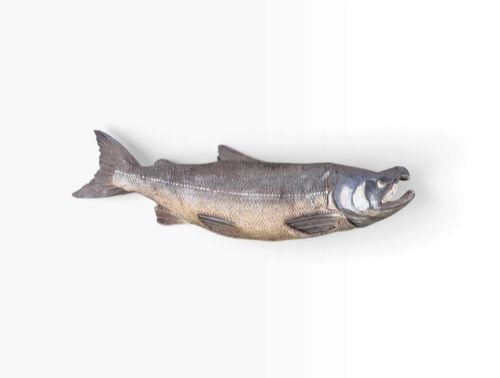
Several bears carry fish so large they appear to be negotiating a very difficult trade agreement with the local river.
Evaluating quality and execution
The standard of a piece rests primarily on the depth and precision of the carving, distinguishing casual souvenir items from masterworks. Naturalistic details in animal sculptures and netsuke show a deeper understanding of anatomy and form.
Material selection also plays a significant part, with dense boxwood or figured hardwoods holding finer details than softer cedar or plain timber. The integration of metal elements or lacquer finishes further separates simpler items from superior examples.
Liberty and Co·Kashi Japanese Masters
The Japanese Wooden Art Glossary
- Kibori Kuma
- A traditional carved wooden bear, often originating from Hokkaido and typically depicted carrying a fish or holding a cub. These pieces represent a prominent category of folk art.
- Netsuke
- A small carved toggle fastened to the end of a cord attached to a small pouch or box worn on a kimono sash. They are carved from boxwood and other hardwoods.
- Hibachi
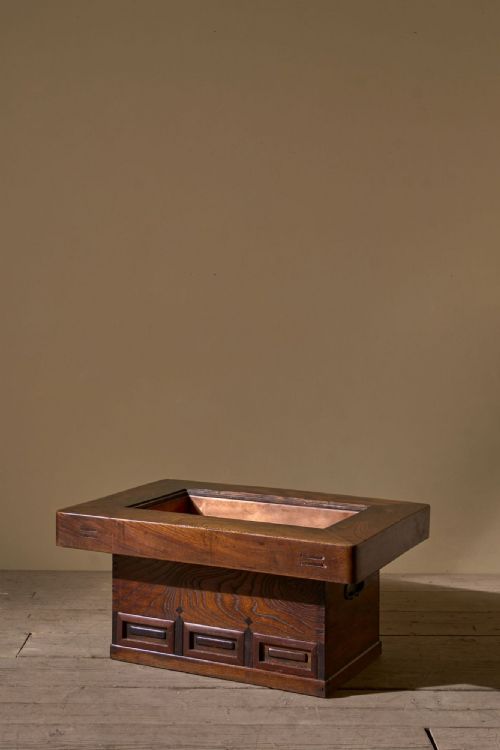
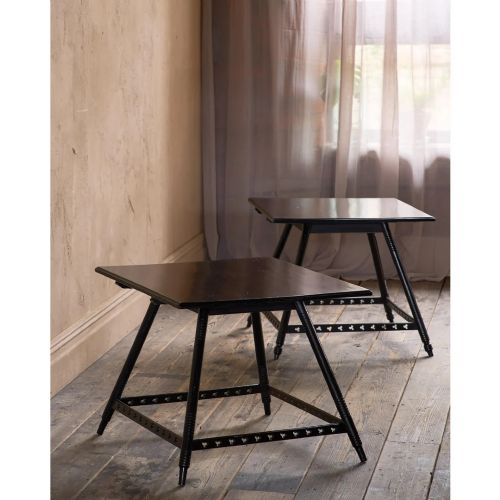
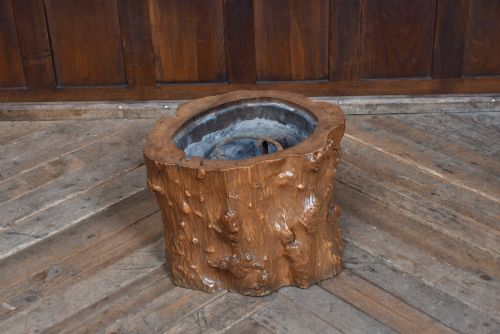
- A traditional Japanese heating device, often taking the form of a low table or brazier made from wood and lined to hold hot charcoal. They display practical craftsmanship from the nineteenth and early twentieth centuries.
- Okimono
- A standalone decorative figurine designed for display on a shelf or in a traditional alcove. These sculptures showcase various animal and human subjects carved from wood.
- Kagamibuta
- A style of netsuke consisting of a shallow bowl-shaped wooden container fitted with a metal disc lid. They frequently incorporate champleve cloisonne enamel details.
Japanese Wooden Art: Frequently Asked Questions
What is a kibori kuma?
A kibori kuma is a traditional Japanese wooden carved bear, frequently depicted with a fish in its mouth or posed with a cub. These items stem from folk art traditions and date predominantly to the late nineteenth and early twentieth centuries.
Collectors prize them for their distinct regional character and direct carving methods. They range from small tabletop figures to larger statement sculptures.
How were netsuke used?
Netsuke functioned as toggles on the cords of traditional pouches and containers suspended from kimono sashes. They prevented the container from slipping.
Carved from dense boxwood and other hardwoods, these small objects were shaped to be tactile and smooth from handling. Their designs feature animals, nuts, and figurative subjects.
What is a hibachi table?
A hibachi table is a low wooden piece of furniture incorporating a central hearth used for holding hot charcoal. They served practical heating and social functions in traditional rooms.
Constructed from wood and sometimes paired with copper or iron elements, these tables combine furniture design with functional metalwork. They date across the nineteenth and early twentieth centuries.
How do I identify Meiji period pieces?
Meiji period items often show a high degree of naturalistic carving and technical precision in materials like boxwood and cedar. This era coincided with an opening of trade that influenced decorative arts.
Pieces from this time range from intricate netsuke and okimono to decorative wall plaques. Examining the depth of the carving and the grain of the wood helps place them in this era.