



Japanese Paper Art
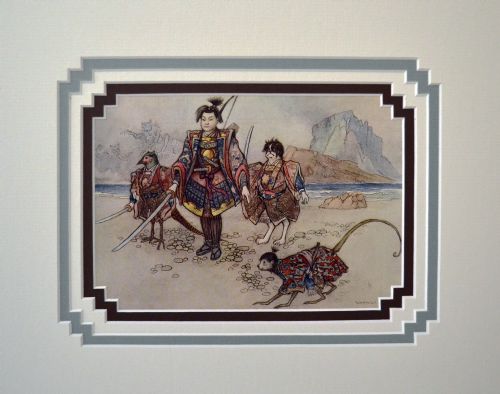
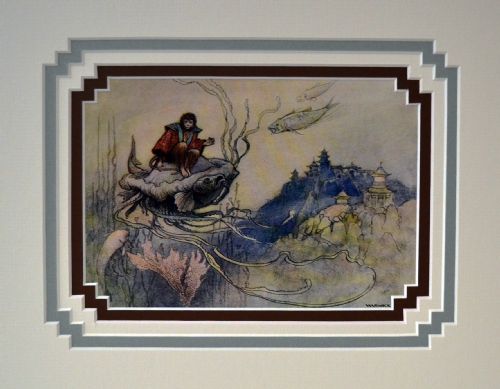
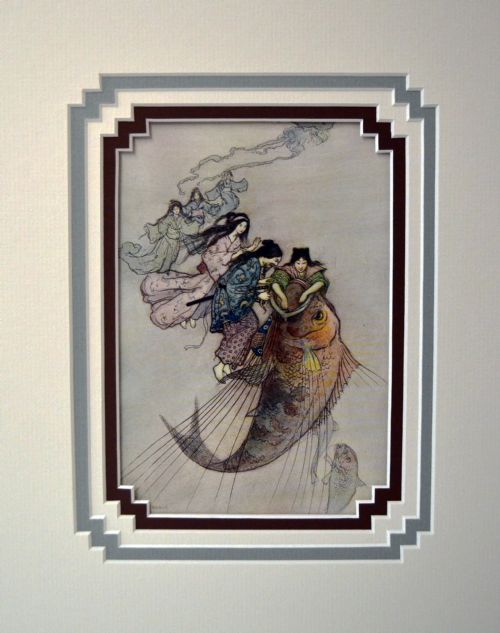
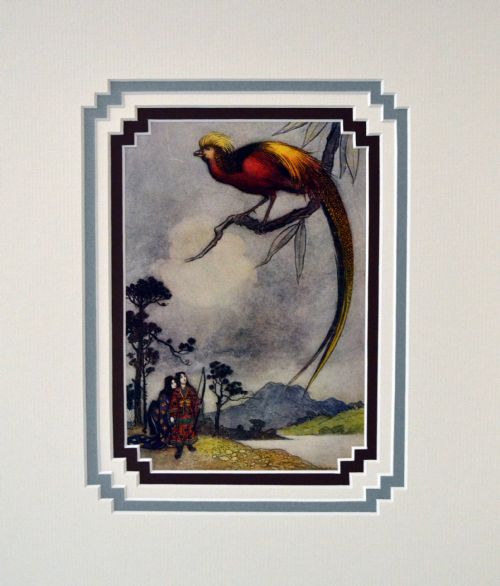
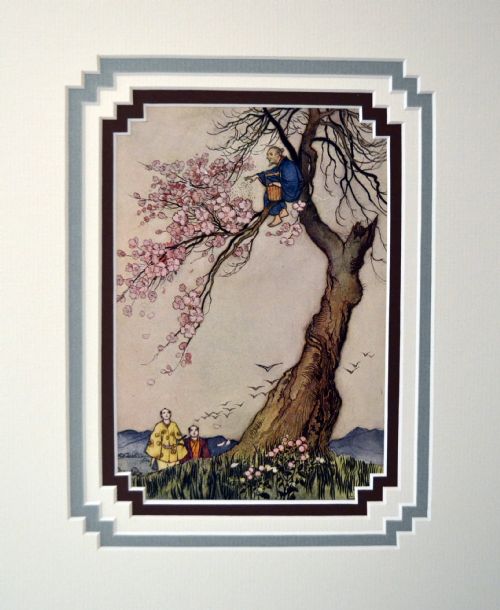
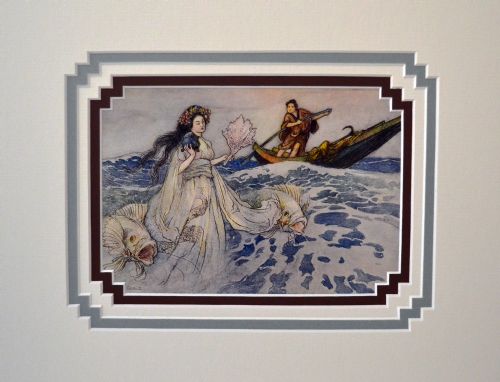
These Japanese paper art pieces bring woodblock prints and fairy tale illustrations into your home, offering delicate ink work and period framing that transform a wall.
Japanese Paper Art
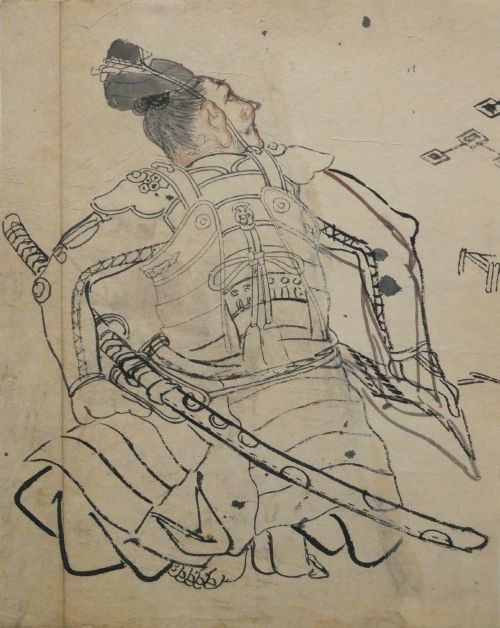
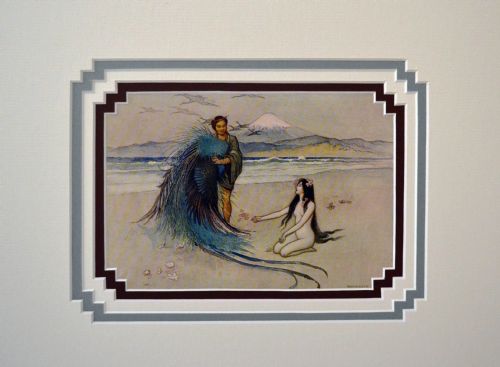
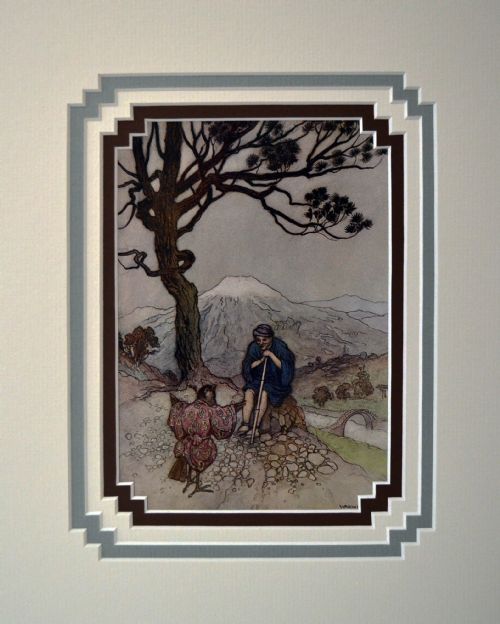
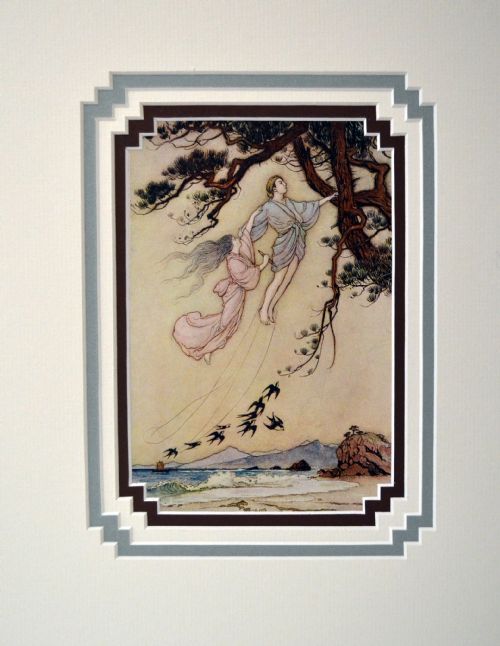
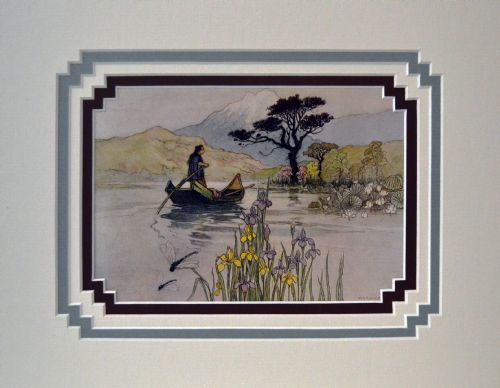
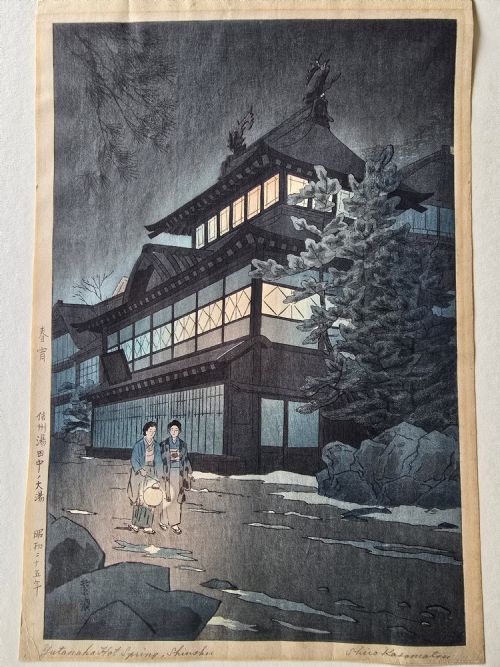
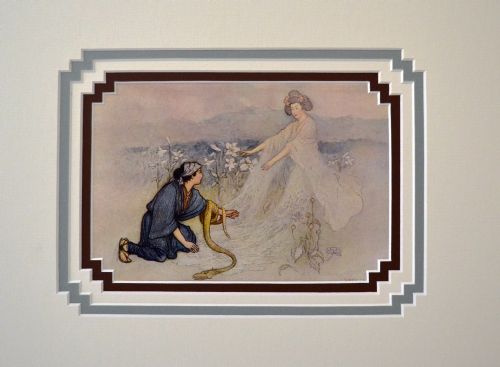
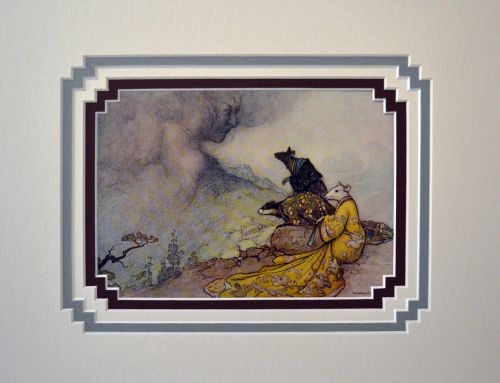
When you search for Japanese paper art, you encounter woodblock prints, antique prints and framed illustrations spanning multiple centuries. The selection ranges from eighteenth-century Edo period works to twentieth-century Shin-Hanga and Edwardian fairy tale prints.
You meet woodblock prints depicting figures and narratives alongside watercolours and book illustrations mounted on card or board. The most common forms on this page are framed prints and loose woodblock sheets preserved behind glass in wood frames.
Materials and techniques
These works utilise traditional paper surfaces combined with black and coloured ink applications. Makers printed from carved wooden blocks or painted directly onto paper sheets.
Mounting techniques involve card, cardboard, mountboard and mount board to support the delicate paper sheets. Finished works frequently sit inside protective glass and wood frames.
Japanese Paper Art Retail Price Guide 2026
Typical asking prices for japanese paper art among the pieces listed under this phrase on Sellingantiques today, from the lower quarter to the upper quarter. They describe what is for sale here now, not the wider market.
Materials recorded on this page include paper, glass, wood, ink, card, cardboard, mountboard and mount board.
Indicators of quality
Quality separates through the clarity of the ink impression and the vibrancy of the remaining colour on the paper sheet. Early Edo period woodblock prints show precise carving lines, whereas later printings can display softer borders.
The condition of the paper surface and the integrity of the mountboard dictate the desirability of the piece. Intact margins and original framing elements elevate the standing of antique prints.
Katsukawa Shunshō·Shiro Katamatsu·Warwick Goble·Kitagawa Utamaro·Kunisada·Takashi Nakayama
The Japanese Paper Art Glossary
- Ukiyo-e
- A genre of Japanese art translating as pictures of the floating world, depicting scenes of urban life and kabuki actors. These works form a major portion of traditional woodblock printing.
- Shin-Hanga
- A twentieth-century print movement that revitalised traditional ukiyo-e themes with Western influences in perspective and shading. Artists of this period produced nuanced landscape and portrait prints.
- Woodblock print
- An image created by carving a design into a wooden block, applying ink and pressing it onto paper. This technique allowed for multiple impressions of intricate graphic compositions.
- Triptych
- A set of three panels designed to hang together as a single composite artwork. This format often displayed expansive actor portraits or narrative scenes.
- Cardboard
- A heavy paper-based material utilised for backing and mounting delicate prints. It provides structural support inside the frame.
Japanese Paper Art: Frequently Asked Questions
How do I care for antique paper art?
Keep framed prints away from direct sunlight to prevent the ink and paper colours from fading over time. Maintain stable room temperatures to avoid moisture damage.
Ensure the glass and wood frames remain sealed properly to protect the fragile paper sheets from dust and atmospheric pollution.
What is an Edo period print?
An Edo period print originates from the era of Tokugawa shogunate rule, spanning from the seventeenth to the nineteenth century. These pieces represent traditional ukiyo-e craftsmanship.
Such works often depict historical narratives, mythical figures and theatrical subjects carved onto wooden blocks and hand-printed on paper.
How are these prints usually framed?
These works typically appear behind glass within traditional wood frames, supported by internal card or mountboard backing. This protects the delicate paper from physical contact.
Some examples retain period mounts that complement the aesthetic of the nineteenth-century or Edwardian illustration styles.
What distinguishes Shin-Hanga prints?
Shin-Hanga prints emerged during the twentieth century, combining traditional Edo printmaking techniques with Western artistic perspectives. They often feature subtle colour gradients and atmospheric lighting.
This movement involved collaborating publishers, carvers and printers to create refined editions for collectors.