





Japanese Dragon Table Lamp
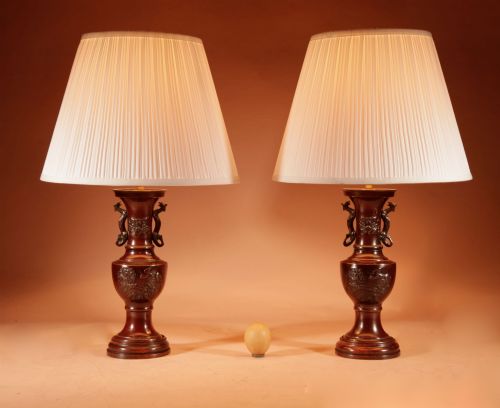
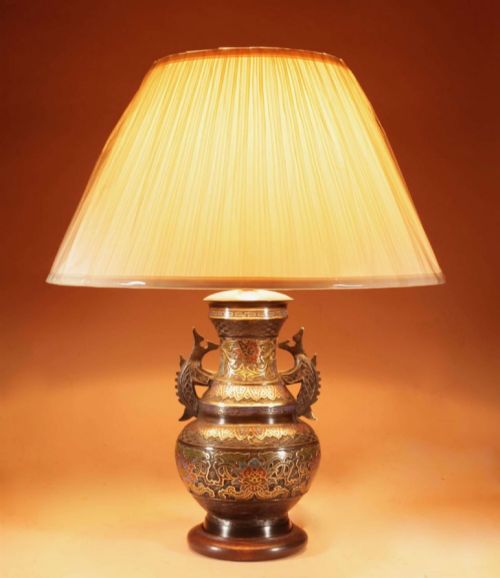
A japanese dragon table lamp brings heavy cast bronze and intricate Meiji craftsmanship straight into a room, offering both sculptural presence and functional light.
Japanese Dragon Table Lamp
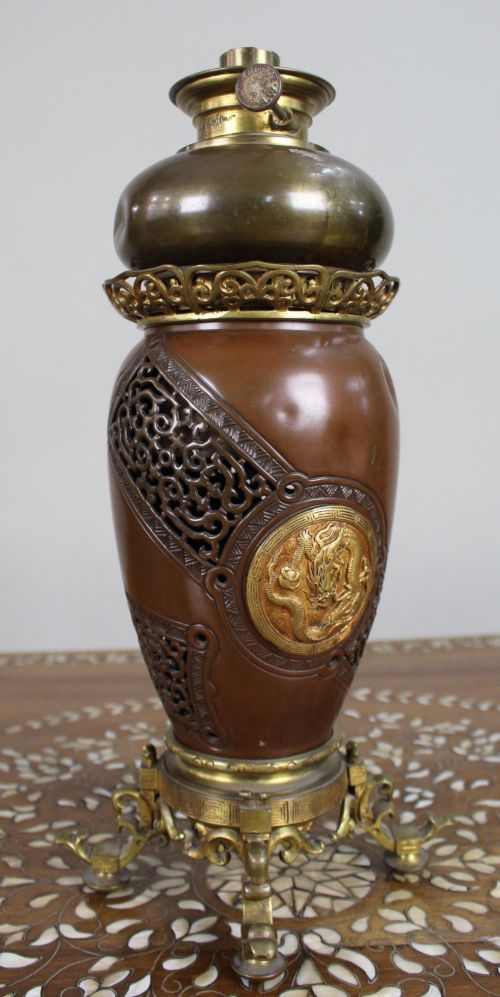
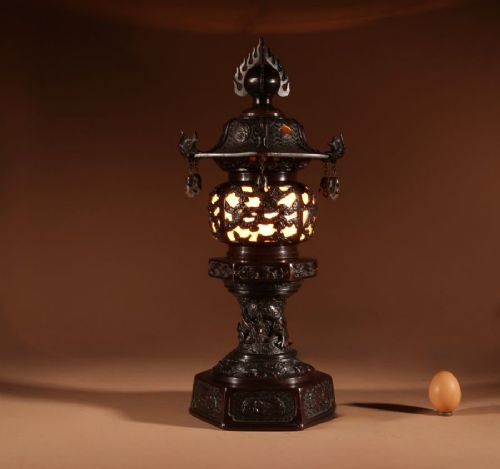
A japanese dragon table lamp brings nineteenth century casting traditions and Meiji period artistry directly into an interior scheme. These pieces typically take the form of heavy metal figures, modified vases, or architectural lanterns adapted for electrical lighting over the decades.
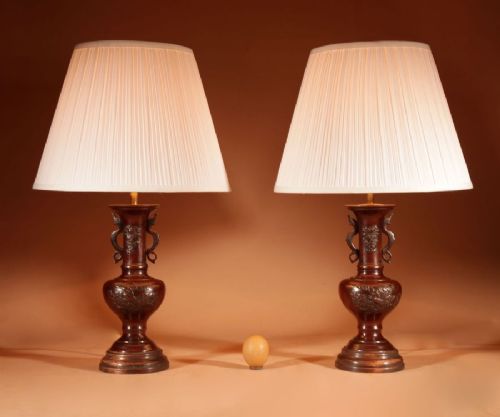
Buyers most frequently encounter bronze and brass examples bearing traditional Japanese motifs alongside Edwardian or later adaptations. The selection spans single statement pieces, balanced pairs, and converted oil lamps originating from the late nineteenth and early twentieth centuries.
How they were made
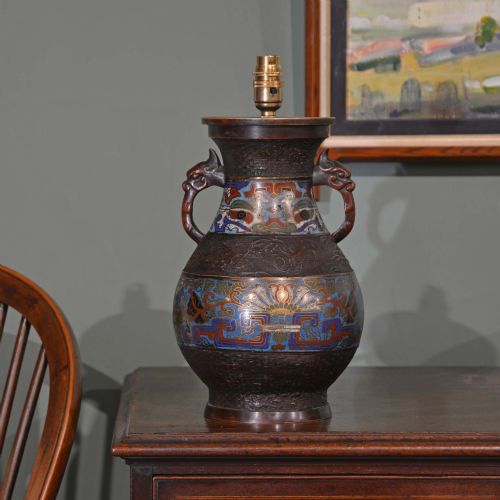
Metalworking dominates the construction of these items, utilising heavy bronze, brass, and gilt metal cast through traditional foundry methods. Artisans applied intricate surface details by hand, often incorporating champleve enamel or carved wooden elements to accent the metal forms.
Many surviving examples began life as oil lamps or decorative vases before undergoing later conversion into table lamps. Fabric shades and glass components complete the structures, marrying Eastern metalwork with domestic lighting requirements of the period.
Several fierce bronze dragons share shelf space with a surprisingly calm elephant lamp.
What varies in quality
The sophistication of the metal casting and the crispness of the dragon detailing set the finer examples apart from standard production. Superior pieces display deep relief work, harmonious patination, and intricate surface decoration that remains sharp across the entire sculpture.
The integrity of the original form influences desirability, particularly when vases or oil lamps retain their structural balance after conversion. Matching pairs and substantial proportions elevate certain items within the range through greater visual impact.
The Japanese Dragon Table Lamp Glossary
- Meiji Period
- The era in Japanese history spanning from 1868 to 1912, characterised by extensive artistic production for both domestic use and export. Pieces from this time often exhibit exceptional metallurgical skill.
- Champleve
- An enamelling technique where recessed areas are gouged out of a metal surface and filled with vitreous enamel before firing. This process creates colourful decorative patterns against the bronze or brass background.
- Gilt Bronze
- Bronze metal that has been coated with a thin layer of gold or gold leaf to produce a bright metallic finish. The technique adds luminosity and prevents the underlying metal from tarnishing.
- Chinoiserie
- A European stylistic tradition reflecting Chinese and broader East Asian artistic influences. Items in this style incorporate decorative motifs borrowed from Asian visual culture.
Japanese Dragon Table Lamp: Frequently Asked Questions
What is a japanese dragon table lamp?
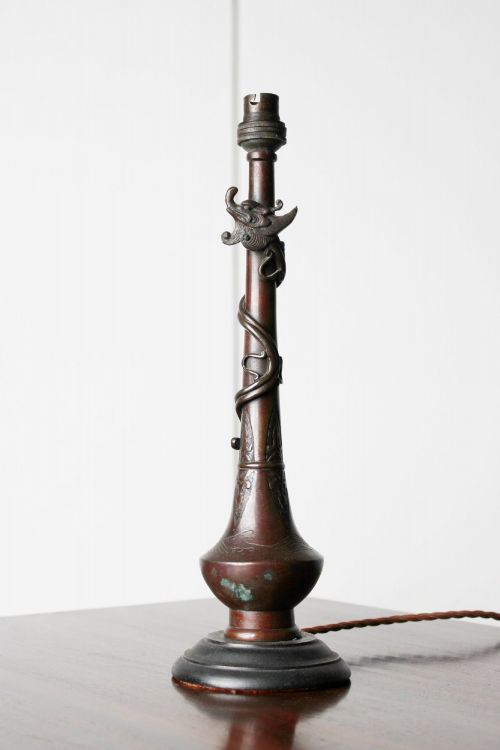
A japanese dragon table lamp is a decorative lighting fixture utilising nineteenth or early twentieth century bronze metalwork, often originating from the Meiji period. These pieces frequently feature sculpted dragons entwined around bases, columns, or converted vases.
Such objects combine traditional East Asian craftsmanship with functional household lighting. They serve as striking focal points in traditional and eclectic interior settings alike.
How do I date a bronze lamp?
Dating these lamps involves examining the casting quality, the style of the metal patination, and any associated hardware from the period. Pieces linked to the Meiji era display distinct nineteenth century foundry techniques.
Later electrical conversions often retain wiring or components from the Edwardian era or the 1920s. Comparing the decorative motifs against established nineteenth century oriental designs helps confirm the manufacturing timeframe.
Were these lamps originally made for electricity?
Most bronze pieces from the nineteenth century began as oil lamps, decorative vases, or architectural lanterns rather than electrical fittings. Skilled artisans subsequently adapted the hollow metal bodies to house electrical wiring for modern use.
This adaptation process preserves the antique character of the metalwork while making the sculptures suitable for daily domestic illumination. Converted items remain the most common form found on the market.
How do I care for antique bronze?
Maintaining antique bronze requires gentle dusting with a soft, dry cloth to prevent the accumulation of dirt on the detailed surface. Avoid using harsh chemical polishes that can strip away the historic patination accumulated over the decades.
Keeping the lamp away from excessive moisture and direct heat sources protects both the metal body and any associated fabric or glass elements. Careful handling preserves the integrity of the original casting.