

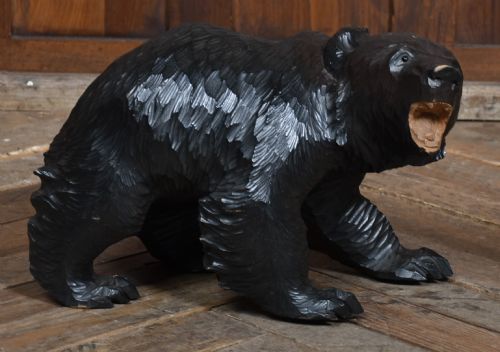
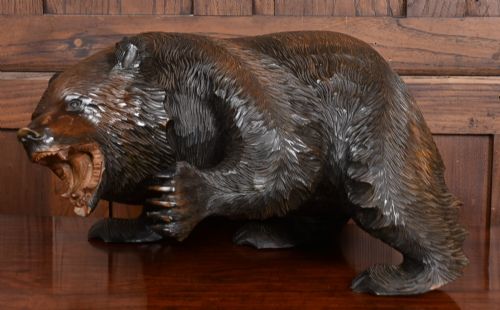


Japanese Bear Sculpture
These japanese bear sculpture pieces are carved wooden figures embodying rustic charm and naturalism, making them a captivating addition to any collection of folk art.
Japanese Bear Sculpture
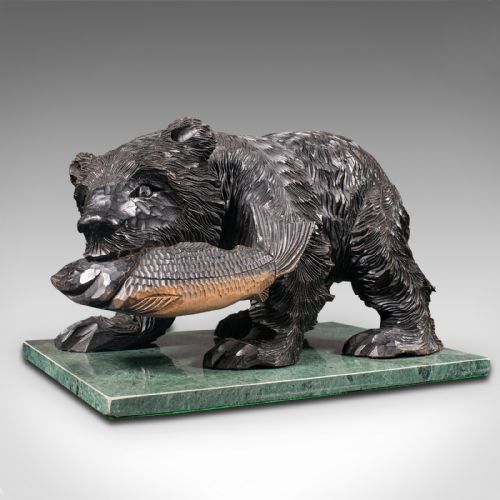
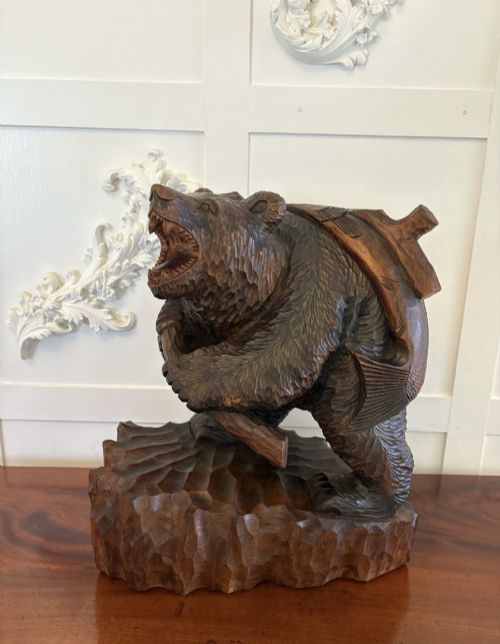
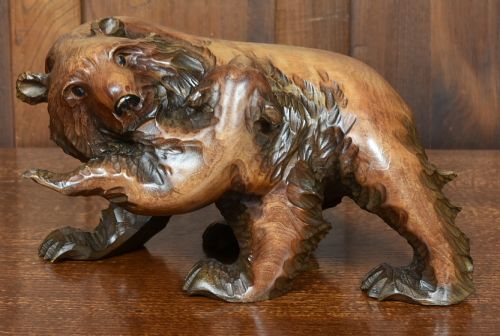
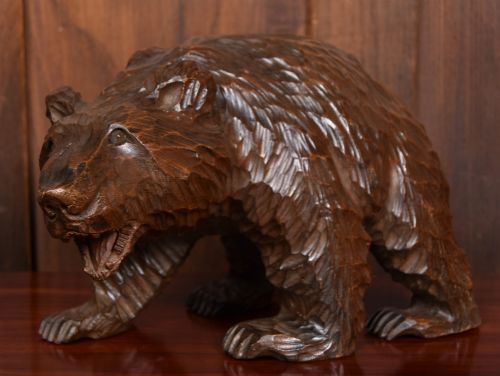
When you search for a japanese bear sculpture, you encounter traditional carved figures originating primarily from the Meiji period and the nineteenth century. These works frequently depict the animal in realistic or stylised poses, sometimes carrying a fish or accompanied by a cub. The form is deeply rooted in regional woodworking traditions, particularly the distinctive Kibori Kuma style associated with Hokkaido folk art.
You are most likely to meet examples fashioned from hardwoods, linden wood, cedar, or occasionally stone and bronze. The designs range from simple folk carvings to more detailed sculptural representations created by named makers. Each piece demonstrates the distinctive carving methods and regional aesthetics characteristic of Japanese wood carving traditions from these periods.
How they were made
The construction of a japanese bear sculpture relies upon traditional hand-carving techniques applied to various woods such as cedar, linden wood, and general hardwoods. Artisans utilised sharp chisels and gouges to shape the dense grain, capturing the texture of fur and the powerful anatomy of the animal. Surface finishes often involve applied stain or wax to protect the timber and enrich the natural tone of the material.
Bronze also appears in certain sculptural works, shaped through metalcasting methods to produce finely detailed okimono figures. Whether working in wood or metal, makers focused on direct hand manipulation of the medium to achieve tactile depth and expressive character in each sculpture.
Japanese Bear Sculpture Retail Price Guide 2026
Typical asking prices for japanese bear sculpture among the pieces listed under this phrase on Sellingantiques today, from the lower quarter to the upper quarter. They describe what is for sale here now, not the wider market.
Many of these wooden bears carry a remarkably determined fish, reminding us that even folk art appreciates a successful day by the river.
What varies in quality
Proportion and stance significantly influence the character of the sculpture, with more dynamic compositions showing greater sculptural ambition. Additionally, the choice of material, whether finely grained linden wood or substantial bronze, dictates the overall presence and tactile appeal of the object.
Kaniya Kuniharu
The Japanese Bear Sculpture Glossary
- Kibori Kuma
- A traditional style of Japanese wood-carved bear originating from Hokkaido. These carvings are a staple of Japanese folk art and often depict the animal holding a fish in its jaws.
- Okimono
- A Japanese term for a decorative object or statuette designed for display in a tokonoma alcove or on a shelf. These small-scale sculptures showcase exceptional craftsmanship in various materials.
- Meiji Period
- A notable era in Japanese history spanning from 1868 to 1912, characterised by significant cultural shifts and the flourishing of decorative arts exported to the West.
- Linden Wood
- A pale, fine-grained timber frequently chosen by carvers for its smooth consistency and ease of detailed shaping without splitting.
Japanese Bear Sculpture: Frequently Asked Questions
How were these bear sculptures used?
These figures served primarily as decorative ornaments within domestic interiors, displayed upon shelves, desks, or traditional display alcoves. Their charming presence added a touch of nature and rustic artistry to living spaces.
Over time, many of these carvings also became sought-after souvenirs and collector pieces traded internationally.
What materials are commonly found?
The listings predominantly feature carvings made from various timbers including cedar, linden wood, and general hardwoods. Artisans often enhanced these surfaces with a simple wax or stain finish to preserve the grain.
Occasional examples also appear in metal, specifically bronze, representing alternative sculptural approaches from the period.
How do I identify a nineteenth-century piece?
Nineteenth-century examples are distinguished by traditional hand-carving marks, natural wear consistent with age, and specific regional stylistic traits. The absence of modern mechanical tooling is typically evident upon close inspection of the wood surface.
Contextual details such as period materials and traditional subject matter further help anchor these works to the 1800s or the Meiji era.