



Japanese Art Figure
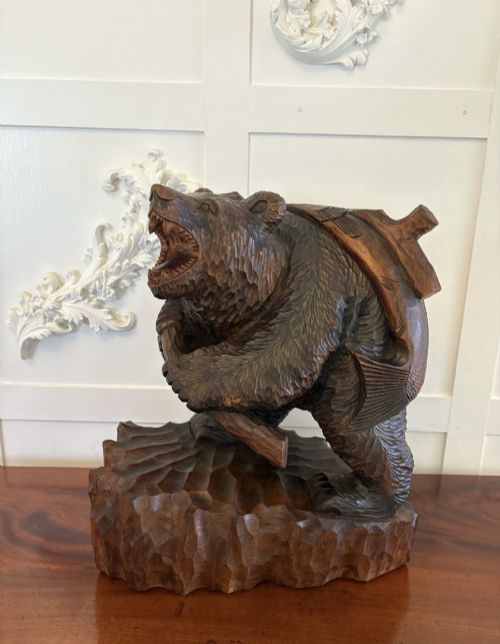
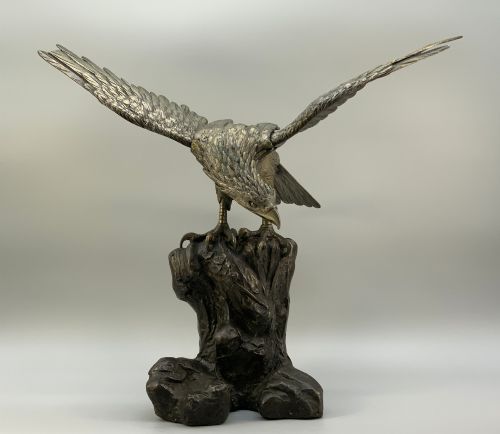
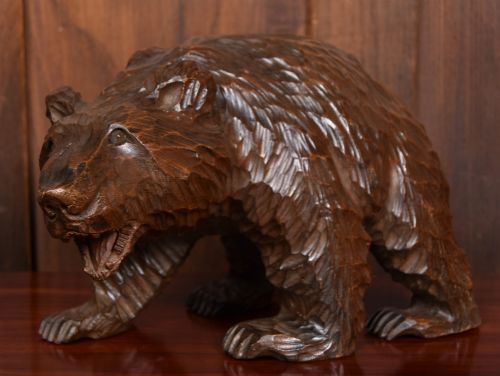
A Japanese art figure brings centuries of craftsmanship into a room, spanning carved wood bears, bronze birds of prey and porcelain deities.
Japanese Art Figure
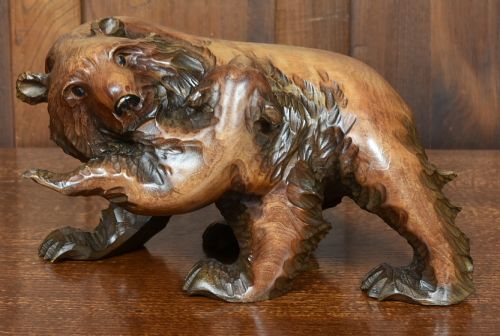
A japanese art figure encompasses carved wooden bears, bronze animals and ceramic deities. These works range from the nineteenth century into the twentieth century, crossing the Meiji, Taisho and Showa periods.
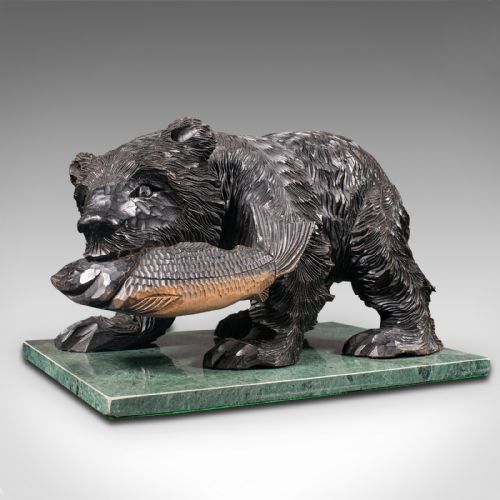
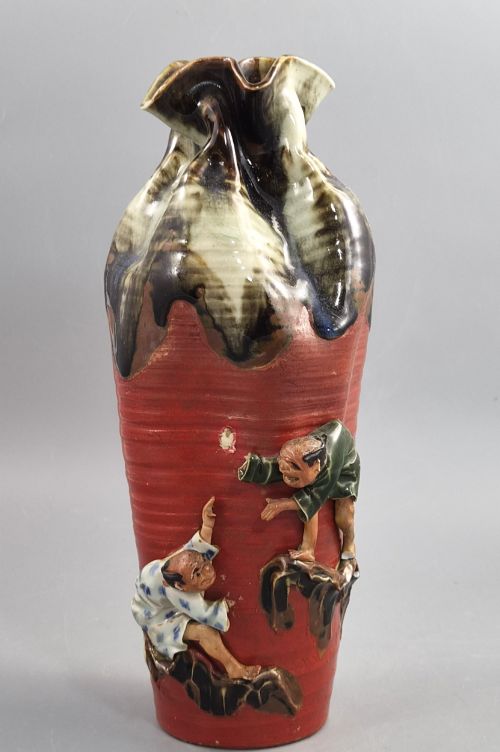
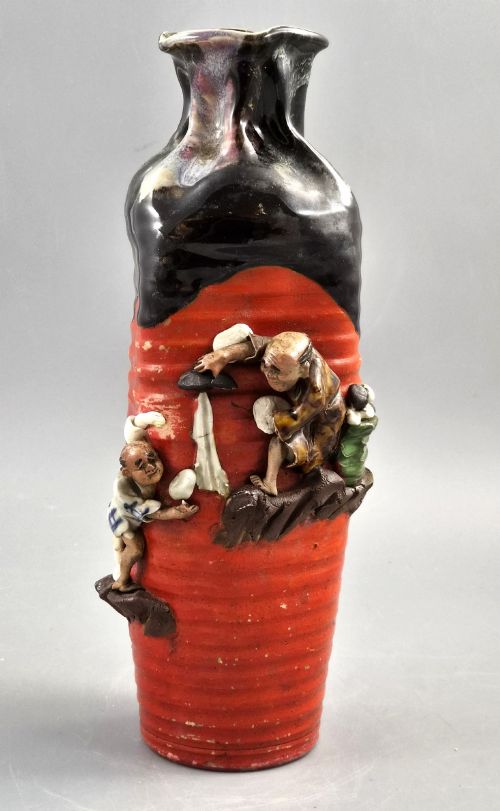
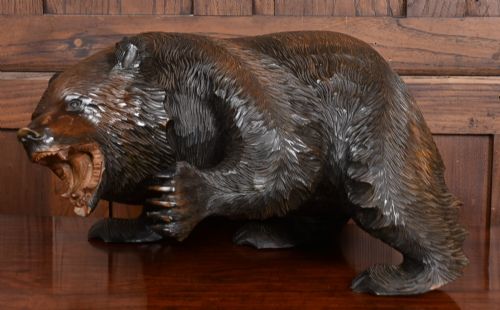
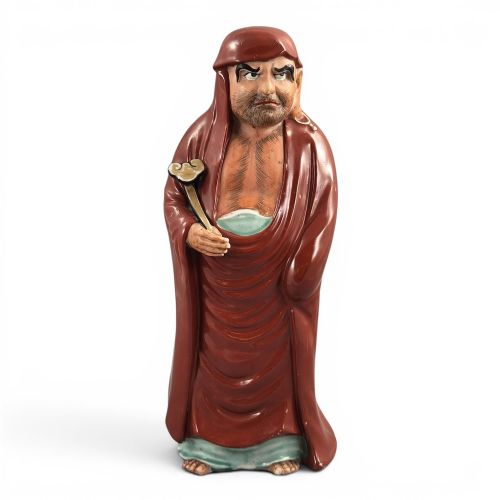
The version most commonly met on this page is the carved wooden bear, often originating from northern regions in the nineteenth or early twentieth century. Ceramic figures such as Kutani and Satsuma deities also appear frequently alongside bronze okimono and Sumida Gawa pottery.
Materials and Technique
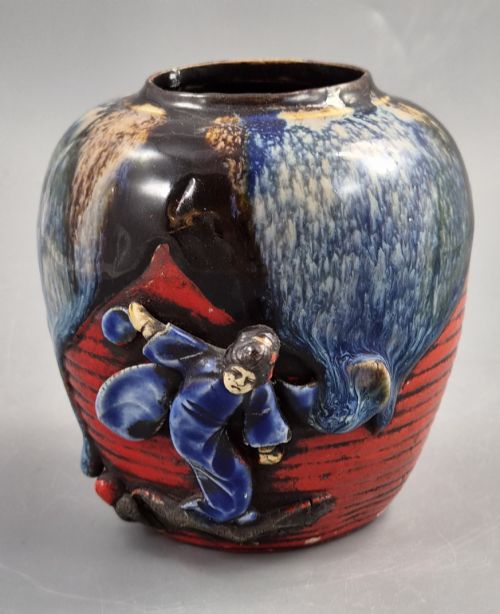
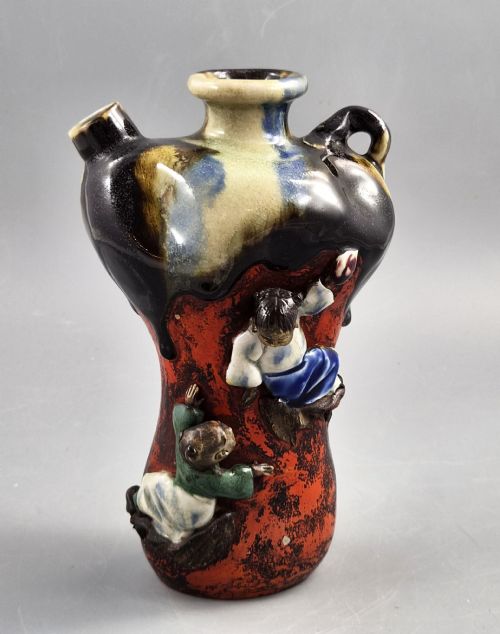
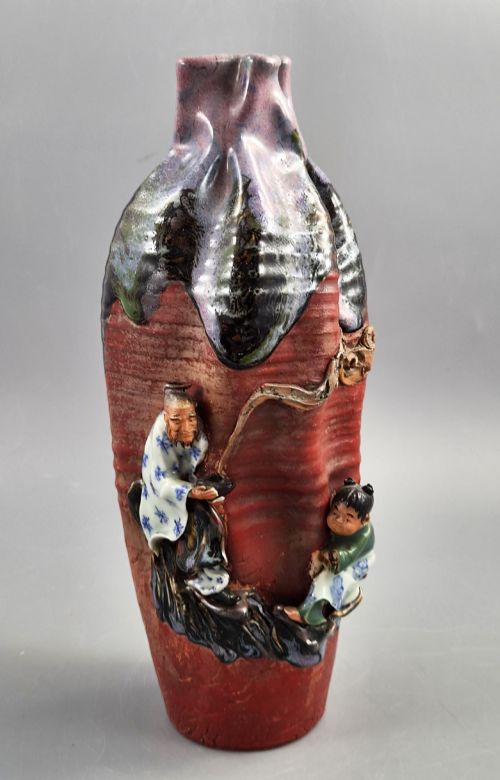
Makers utilised natural materials including hardwood, cedar, linden wood, earthenware, porcelain and bronze. Wood carvings often show deliberate tool marks such as the nata-tsukuri style, while ceramic figures combine moulded forms with applied climbing figures and flambe glazes.
Metalwork pieces utilise patinated bronze and cloisonne enamel techniques, often requiring intricate hand-finishing and gilding. These methods reflect traditional workshops where sculpture, pottery and metal casting crossed paths.
Japanese Art Figure Retail Price Guide 2026
Typical asking prices for japanese art figure among the pieces listed under this phrase on Sellingantiques today, from the lower quarter to the upper quarter. They describe what is for sale here now, not the wider market.
Materials documented across the pieces include enamel, earthenware, gold leaf, wood, glaze, porcelain, carved wood and hardwood.
Judging Quality
Quality rests upon the expressiveness of the carving and the precision of the modelling. A strong wooden bear or bronze eagle shows confident anatomical handling rather than stiff symmetry.
In ceramics and cloisonne enamel, the clarity of the glaze, the control of flambe effects and the fineness of painted details separate standard production from exceptional work.
Inoue Ryosai·Kinkozan Kyoto·Ban-ni
The Japanese Art Figure Glossary
- Okimono
- A small Japanese decorative sculpture designed for display on a tokonoma or shelf. These objects represent animals, deities and figures from folklore.
- Kibutsu
- Objects or vessels used for practical purposes that incorporate artistic modelling. They often feature figurative elements applied to the exterior.
- Sumida Gawa
- A distinctive type of Japanese pottery originating from the Tokyo area. It is characterised by thick flambe glazes and heavily modelled figures climbing across the surface.
- Kutani
- A style of Japanese porcelain known for rich coloured enamels and gilt decoration. Figures of deities and sages frequently appear in this tradition.
- Satsuma
- Earthenware pottery decorated with finely crackled ivory glazes and elaborate overglaze enamel painting. Much of this work was produced for export during the nineteenth century.
Japanese Art Figure: Frequently Asked Questions
How do I identify Sumida Gawa pottery?
Sumida Gawa pieces are instantly recognizable by their rough, dripping flambe glazes and three-dimensional figures climbing across vases and jars. The pottery often has a pinched rim and a tactile surface texture.
Many examples date from the Meiji and Taisho periods and occasionally carry signatures from makers such as Inoue Ryosai or Koko.
What subjects do these figures represent?
The subjects draw from nature, folklore and religion, including carved wooden bears carrying fish, geisha figures and bronze hawks. Deities such as Kannon, Daruma and Jurojin also appear frequently in porcelain and earthenware.
Each subject holds symbolic meaning relating to longevity, wisdom or the natural world.
How do I care for wooden and ceramic figures?
Wooden carvings and ceramic figures require stable indoor humidity away from direct sunlight and heat sources. Dust them gently with a soft, dry brush to protect delicate surfaces and applied glazes.
Avoid using liquid cleaners or oils on antique wood and historic ceramics to preserve their original finishes.