



Jacobean Wooden Chair
A jacobean wooden chair anchors a room with solid timber and carved panels, bringing heavy seventeenth-century presence into a modern home.
Jacobean Wooden Chair
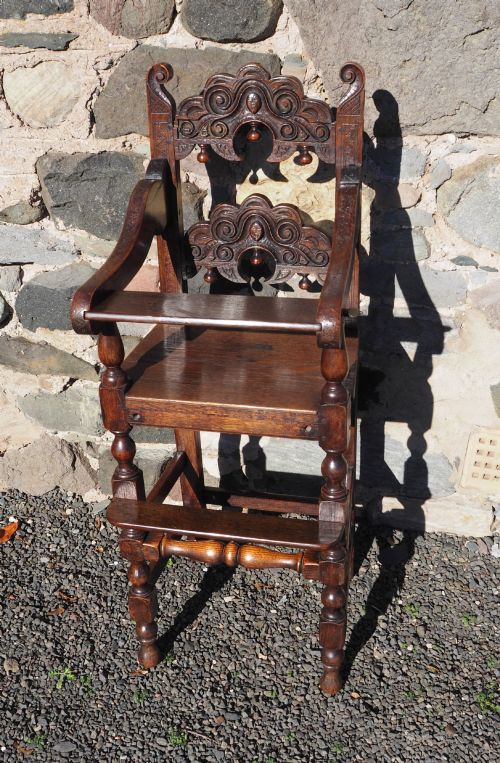
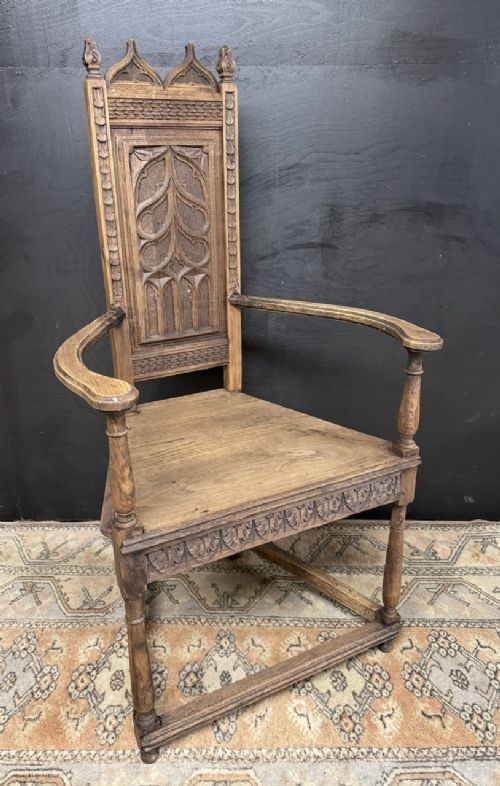
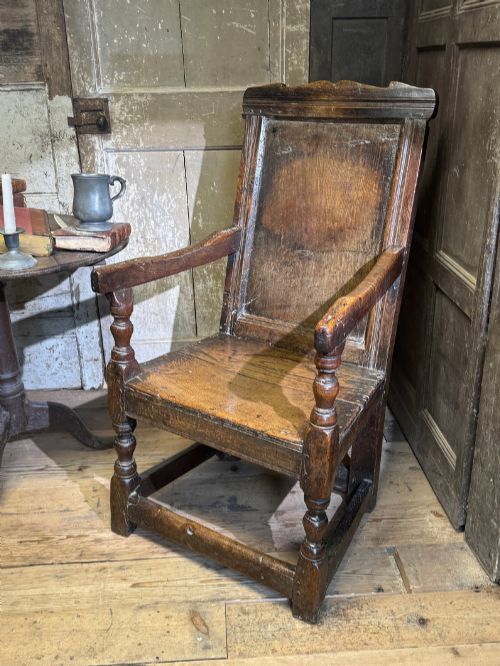
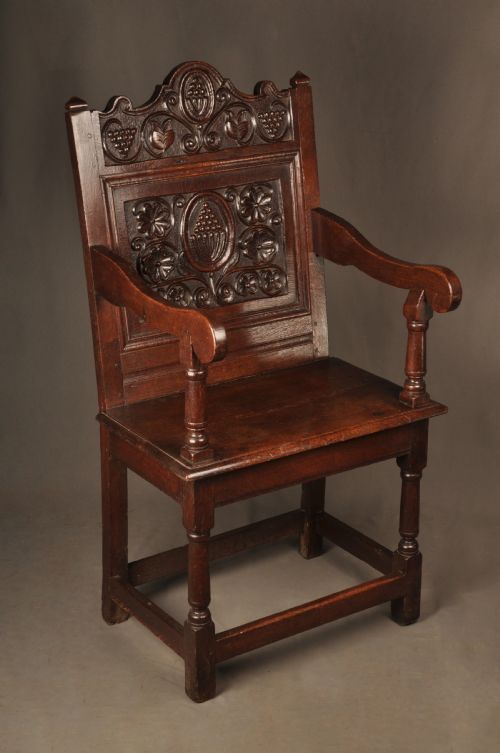
When you search for a jacobean wooden chair, you encounter sturdy seating built around heavy frames and upright backs. The form spans genuine seventeenth-century survivals alongside later revival pieces produced across the nineteenth and early twentieth centuries.
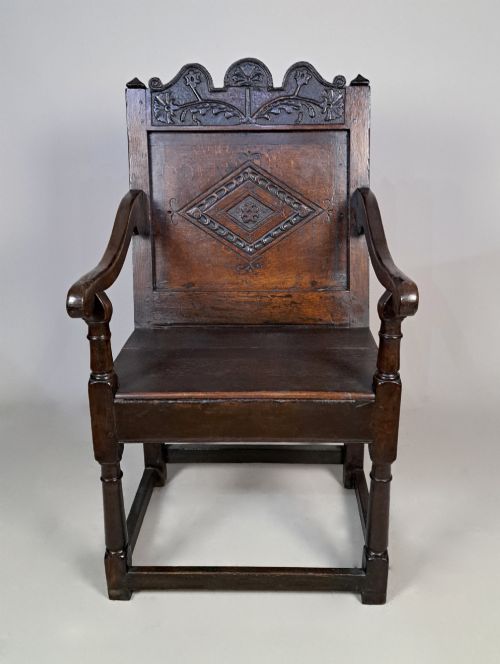
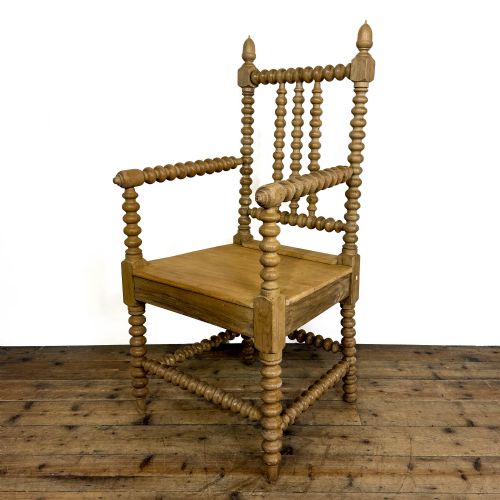
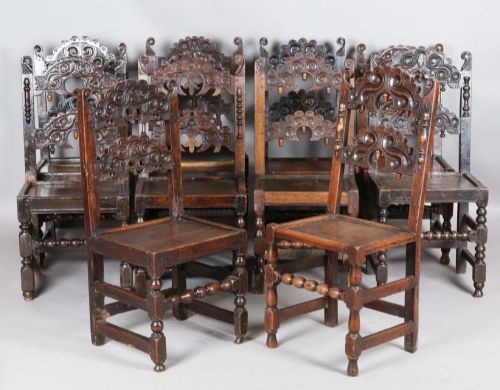
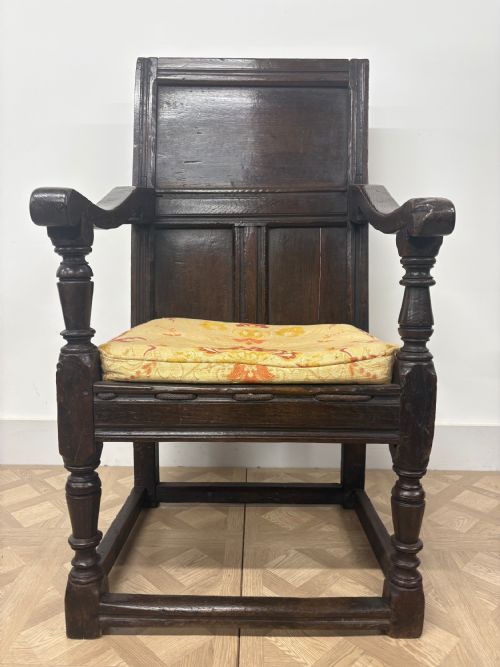
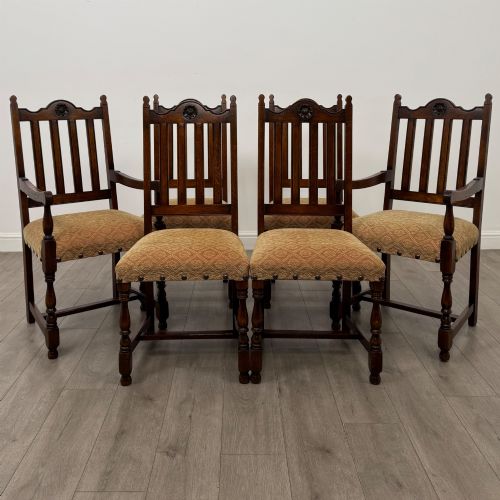
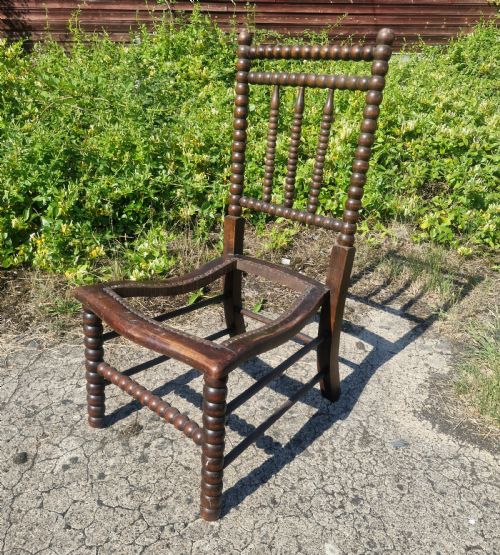
The selection here ranges from solid wainscot armchairs and joined dining chairs to hall seats and bobbin-turned bedroom chairs. Most examples you meet on this page date from the revival periods, though genuine seventeenth-century pieces appear frequently.
Regional variations emerge clearly across the inventory, including Lancashire, Yorkshire, and Scottish formats. These pieces served functional domestic roles, evolving from stiff boardroom and dining seats to low bedroom and hall variants.
How they were made
Construction relies heavily on solid oak joined together with traditional mortise and tenon joints secured by wooden pins. Timber selection favoured quarter-sawn oak, which displays characteristic medullary rays when planed.
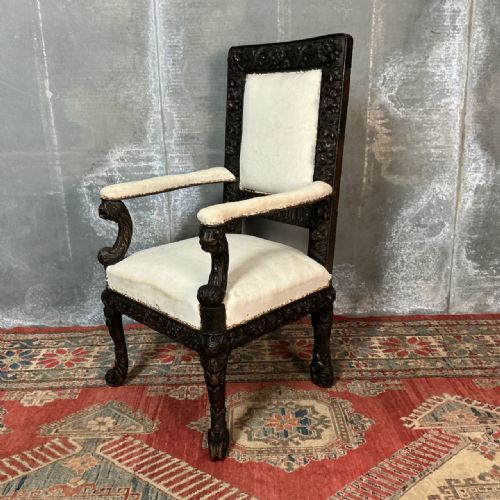
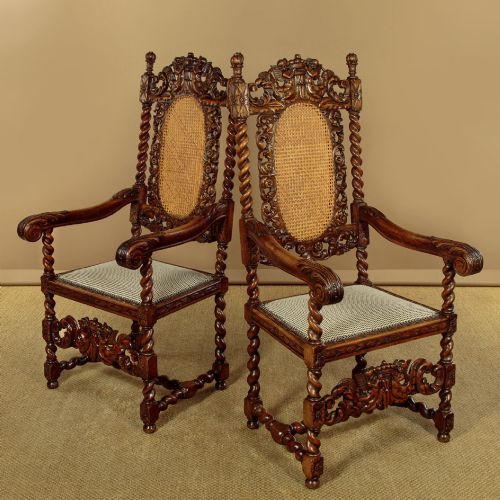
Makers shaped the heavy frames using hand tools, applying deep relief carving, turned elements like bobbin and barley twist supports, and occasional inlay. Caning, upholstery fabric, and textiles appear on seats and backs of later Victorian and revival interpretations.
Jacobean Wooden Chair Retail Price Guide 2026
Typical asking prices for jacobean wooden chair among the pieces listed under this phrase on Sellingantiques today, from the lower quarter to the upper quarter. They describe what is for sale here now, not the wider market.
Listings span several centuries of production, recording heavy seventeenth-century joined oak alongside nineteenth-century revival interpretations in walnut and oak.
What varies in quality
Quality rests upon the integrity of the original joinery and the depth of the timber patination. Early joined examples with minimal later replacement parts command stronger interest than heavily restored or structurally compromised pieces.
Carving definition separates standard production from superior work. Crisp relief work on wainscot panels and well-turned structural members indicate skilled workshop execution rather than mass-produced revival output.
The Jacobean Wooden Chair Glossary
- Wainscot
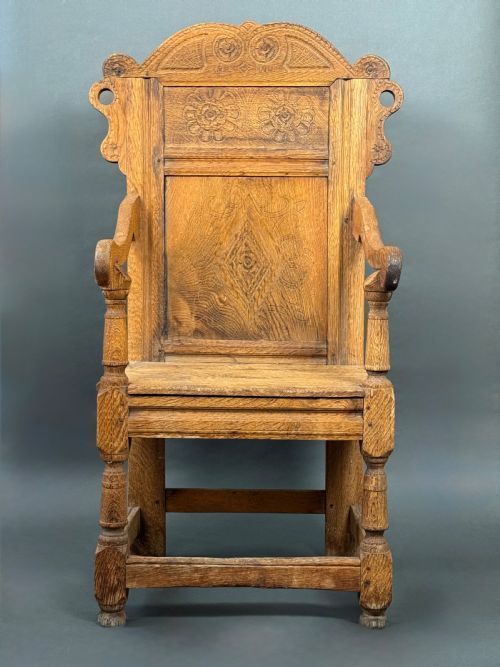
- A heavy wooden armchair with a solid panelled back and panelled seat base, typical of seventeenth-century domestic interiors.
- Joined chair
- Furniture constructed using mortise and tenon joints pegged together rather than glued or nailed, ensuring rigid durability.
- Bobbin turning
- A type of lathe work producing a series of rounded spheres resembling bobbins along the vertical legs and stretchers.
- Medullary rays
- Natural ribbon-like flecks visible in quartersawn oak that indicate high quality timber selection.
- Draw leaf table
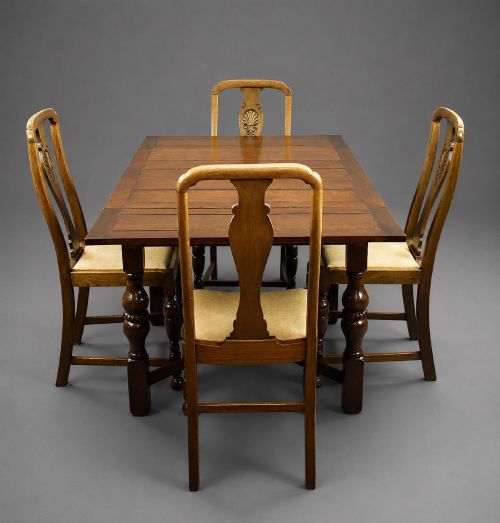
- A dining table equipped with sliding extension leaves beneath the main top, frequently offered alongside matched chair sets.
Jacobean Wooden Chair: Frequently Asked Questions
How do I spot a genuine seventeenth-century chair?
Examine the construction methods and the timber wear patterns underneath the seat and along the floor contact points. Genuine early pieces display hand-cut peg joints, irregular tool marks, and dry, oxidised oak surfaces accumulated over centuries.
Revival pieces made during the Victorian or Edwardian eras often utilise machine-sawn components and standardised turning techniques. Look closely at the underside and joints for clues regarding replacement timber and modern hardware.
Were these chairs comfortable to sit in?
Original seventeenth-century seating was designed for upright posture during meals or official business rather than lounging. The rigid wooden backs and solid panelled seats reflect the formal etiquette of the period.
Later Victorian revival versions often introduced upholstered pads or cane panels to improve seating comfort. If you intend to use them daily at a dining table, consider adding loose cushions that complement the timber tone.
How should I care for old oak furniture?
Maintain a stable room humidity and keep timber pieces away from direct heat sources and strong sunlight. Sudden temperature shifts cause the old oak to dry out, warp, or split along the grain.
Apply a traditional beeswax polish sparingly and buff with a soft cloth to preserve the natural lustre. Avoid modern silicone sprays that build up and attract dust to the carved recesses.
What is the difference between wainscot and dining chairs?
Wainscot chairs are substantial armchairs featuring solid wooden panel backs, often positioned at the head of a table or near a fireplace. They represent the more costly seating of their day.
Dining chairs are generally lighter side chairs made to fit in sets around a table. They utilise open framed backs with turned spindles or carved horizontal rails instead of solid panels.