


Jacobean Period Chair
A jacobean period chair brings solid oak and heavy timber framing straight into a modern room.
Jacobean Period Chair
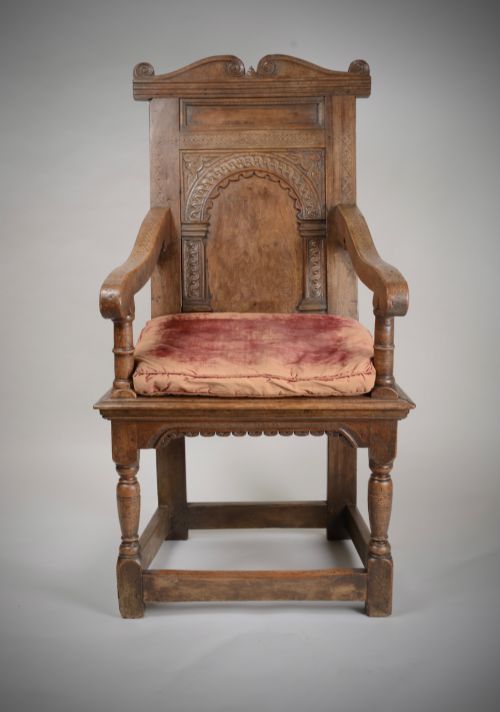
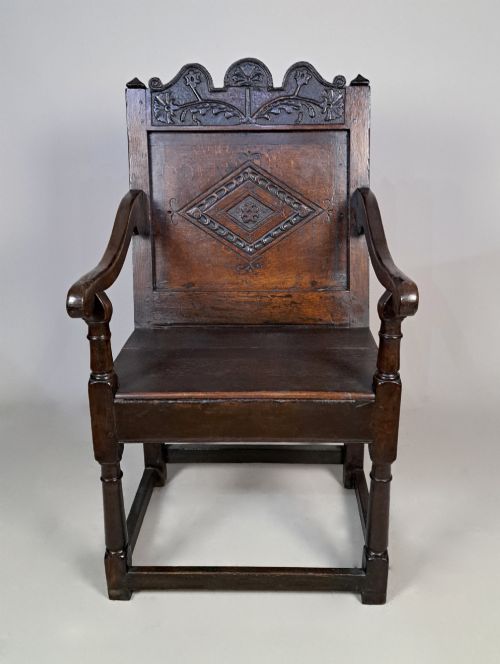
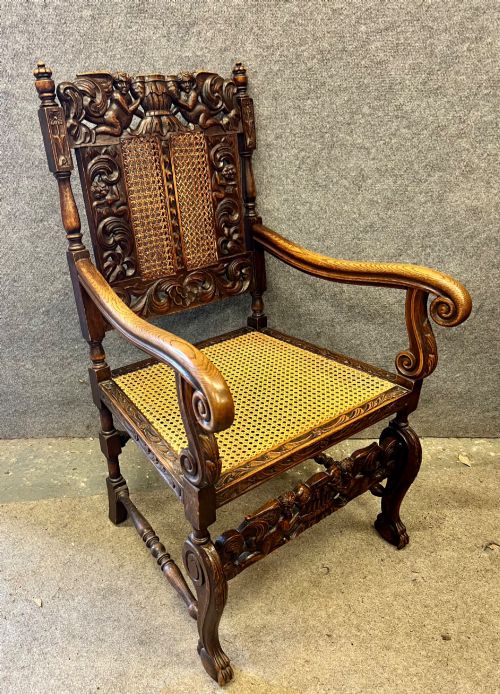
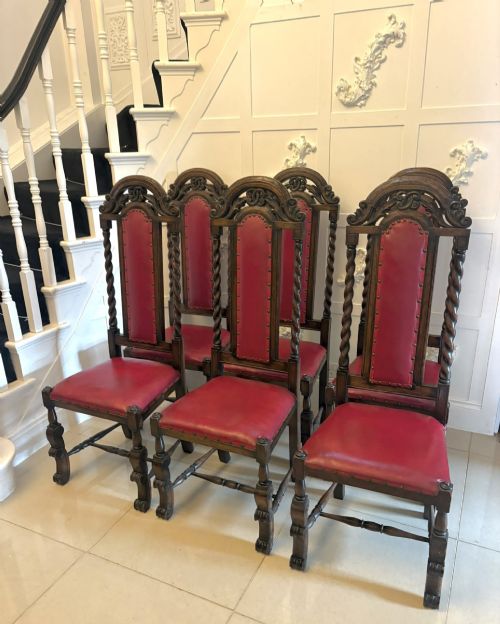
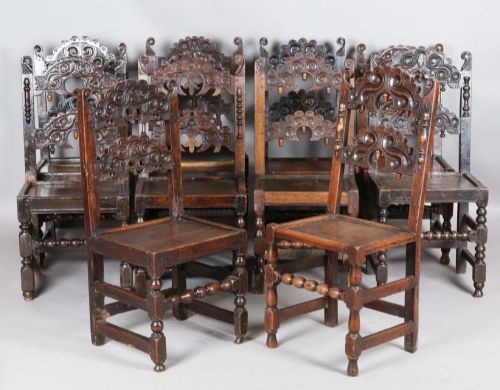
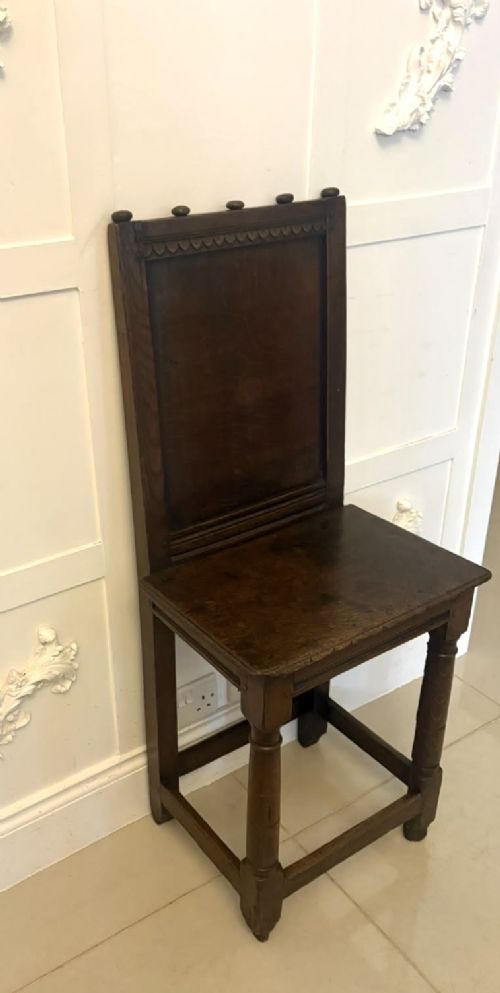
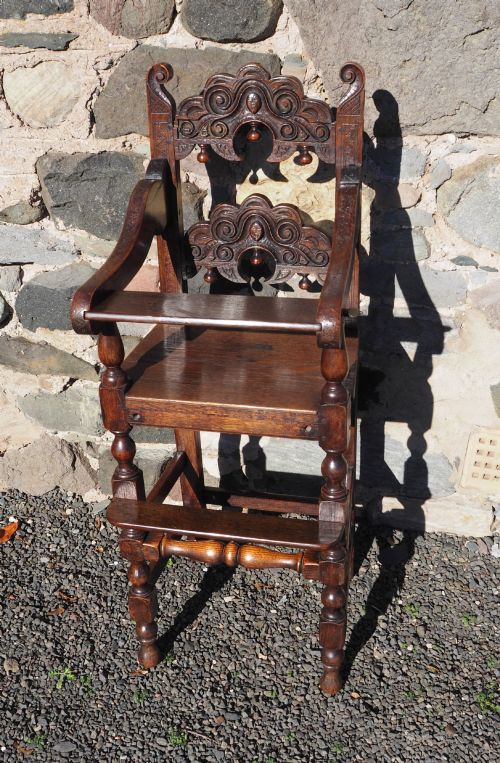
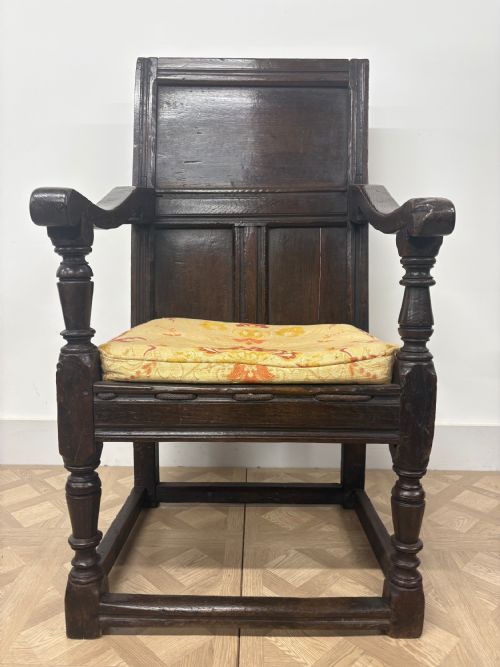
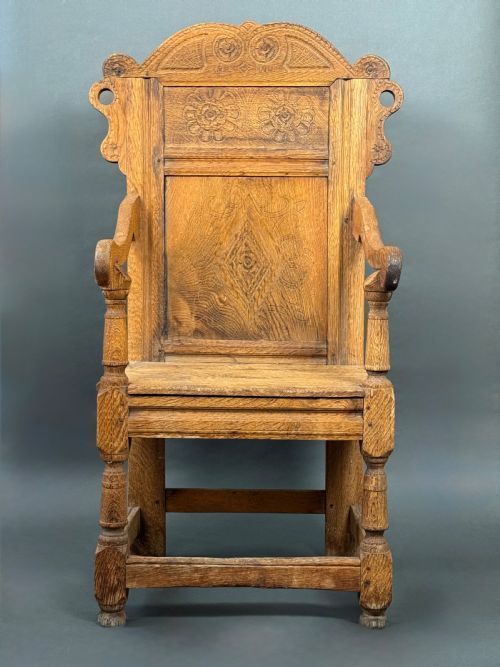
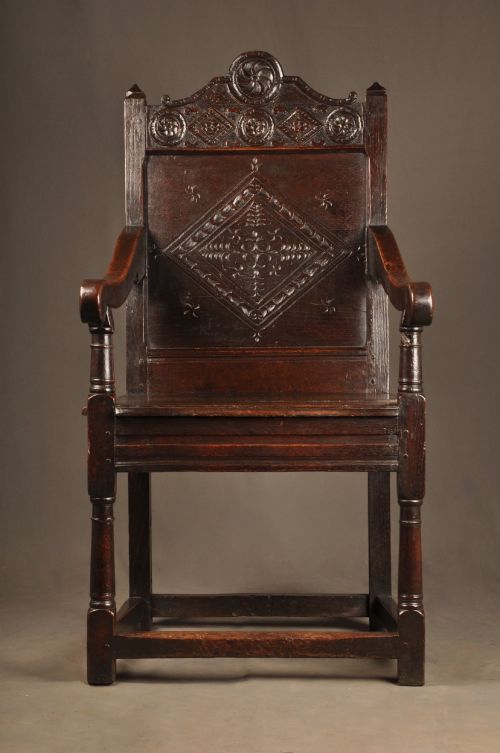
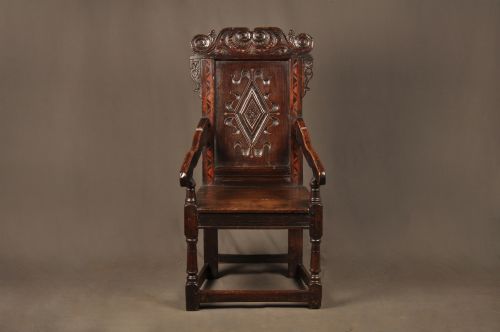
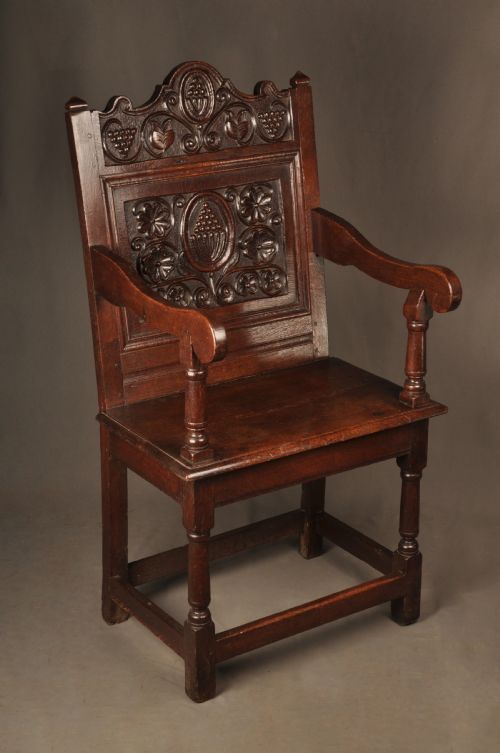
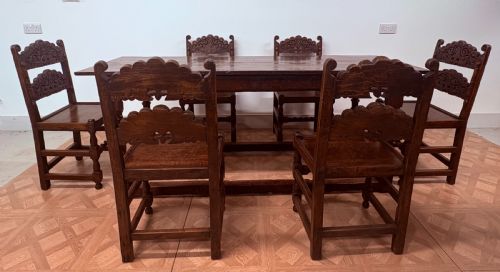
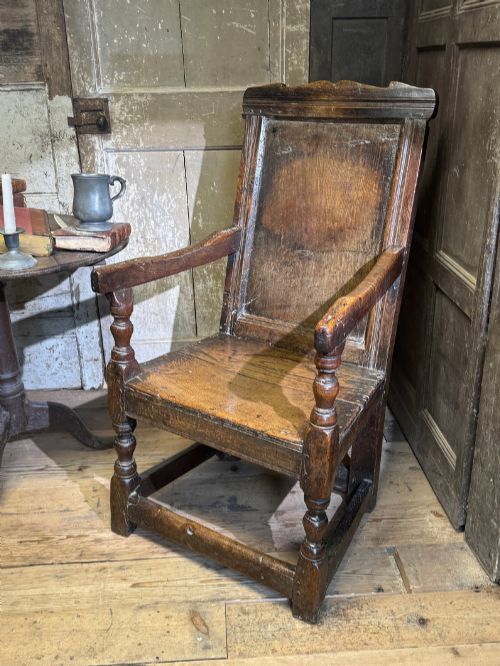
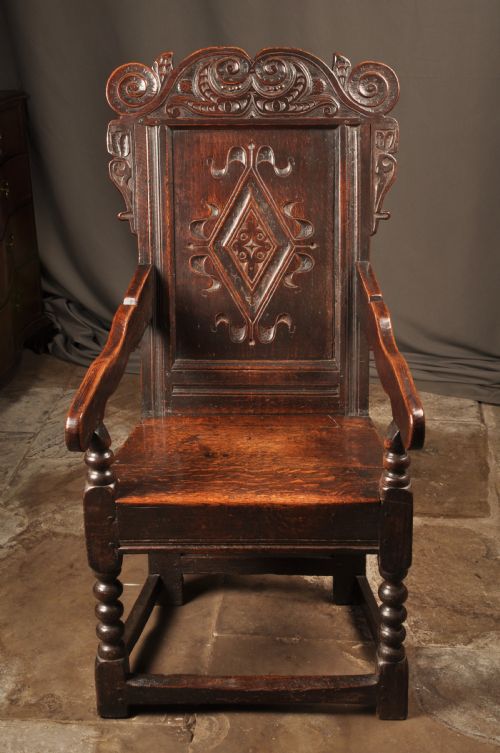
When you search for a jacobean period chair, you encounter sturdy seating built primarily from English oak during the seventeenth century and its later revivals. The forms include wainscot armchairs, side chairs, dining chairs, hall chairs, highchairs, and backstools.
You are most likely to meet seventeenth-century regional pieces from Yorkshire, Lancashire, and Cheshire, alongside later copies from the nineteenth and early twentieth centuries. These sturdy forms range from high-backed armchairs to simpler joined backstools designed for rigid posture.
How they were made
Carpenters built these frames using solid oak panels and joined structural members secured with wooden pegs. The timber often shows hand-tooled surfaces, mortise and tenon joints, and carved crest rails.
Upholstery appears on select examples using textile, tapestry, or velvet secured with brass nails, while others rely purely on carved woodwork.
Jacobean Period Chair Retail Price Guide 2026
Typical asking prices for jacobean period chair among the pieces listed under this phrase on Sellingantiques today, from the lower quarter to the upper quarter. They describe what is for sale here now, not the wider market.
What varies in quality
The integrity of the original oak frame and the depth of hand-carved ornamentation dictate the standard of the piece. Crisp lines in the carved panels and minimal replacement timber separate superior examples from heavily restored ones.
Proportion and regional distinctiveness, such as turned legs or specific Yorkshire crests, elevate certain chairs above standard utilitarian seating.
The Jacobean Period Chair Glossary
- Wainscot chair
- A heavy wooden armchair constructed with panelled backboards and solid arms, typical of seventeenth-century domestic interiors. This form provides a formal seat before the widespread adoption of upholstered furniture.
- Backstool
- An early term for a side chair without arms, featuring a padded or solid wooden back. These were pulled up to dining tables or placed along chamber walls.
- Joined oak
- Furniture constructed using interlocking mortise and tenon joints secured by wooden pins rather than iron nails. This method creates a rigid frame that survives centuries of use.
- Derbyshire chair
- A regional seventeenth-century style of side chair characterised by an open carved back and turned supports. Later Victorian makers frequently copied these specific Yorkshire and Derbyshire patterns.
- Refectory table
- A long dining table associated with early oak furniture and often paired with matching benches or chairs. These heavy boards rested on robust trestles or framed legs.
Jacobean Period Chair: Frequently Asked Questions
How do I identify a seventeenth century chair?
Examine the construction methods, looking for pegged joints, hand-carved oak panels, and signs of heavy timber wear that indicate early manufacture.
Compare the form against documented regional styles like Lancashire wainscot chairs or Yorkshire backstools to confirm the period.
Were these chairs used for dining?
Many side chairs and dining sets served around long tables in great halls during the seventeenth century and later revival periods.
Armchairs were typically reserved for the head of the household while guests utilised simpler joined stools.
Can I use an antique oak chair daily?
Solid oak construction makes these chairs exceptionally durable for everyday seating in contemporary homes.
Ensure the joints remain tight and avoid placing them near direct heat sources that could dry out the ancient timber.
What is the difference between original and revival pieces?
Seventeenth-century originals show period tool marks, oxidised oak patination, and structural wear accumulated over hundreds of years.
Revival examples from the Victorian and Edwardian eras utilise older styles with nineteenth or twentieth-century manufacturing techniques.