





Jacobean Oak Armoire
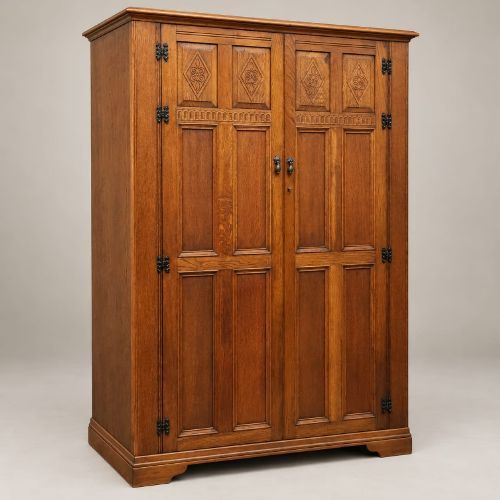
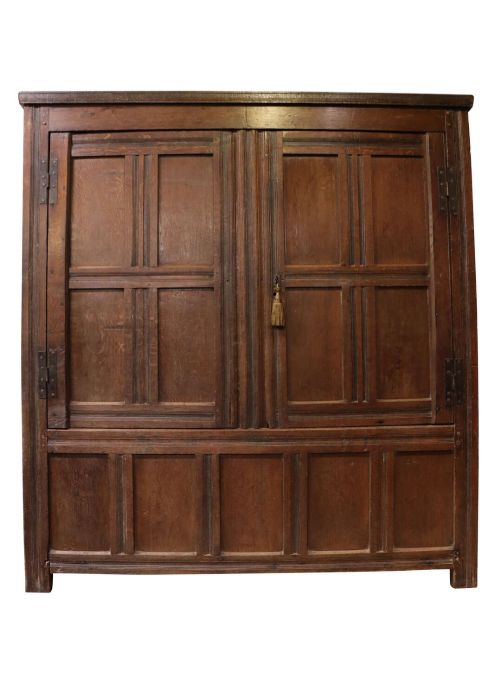
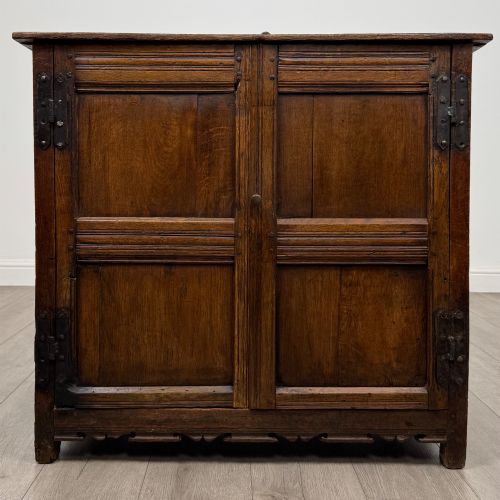
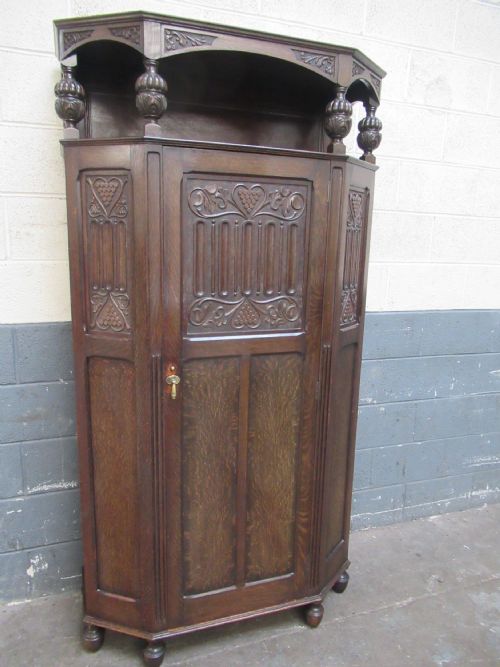
A jacobean oak armoire delivers heavy timber presence and rich panelling to an interior, offering serious storage capacity built to endure centuries.
Jacobean Oak Armoire
When you search for a jacobean oak armoire, you encounter a robust storage piece that spans several centuries of British cabinet making, ranging from authentic seventeenth-century vestment cupboards to later revival pieces from the nineteenth and early twentieth centuries. These large timber furnishings include hall robes, fitted cupboards, linen presses, and triple wardrobes designed for domestic utility.
The pieces you are most likely to meet on this page divide into genuine period examples originating around sixteen-eighty and revival interpretations made during the late Victorian era and the nineteen-twenties. Revival pieces often incorporate linen fold doors or heavy carving while maintaining the dark, weighty presence of the earlier eras.
Forms vary from narrow hall cupboards to expansive wardrobes and press cupboards, all constructed to house garments or linens securely. Each item reflects the enduring utility of sturdy timber cabinetry designed for domestic organisation.
Materials and Construction
Construction relies heavily on solid oak, chosen for its strength and grain pattern, complemented by iron hinges, wrought iron hardware, and brass fixtures. Cabinet makers utilised traditional joinery techniques to frame heavy panels and support deep timber shelves.
Surface treatment frequently involves hand carving, panel moulding, and natural waxing to protect the wood while accentuating the deep tones of the oak. Glass panels and fitted internal spaces appear in later nineteenth and twentieth-century interpretations.
Jacobean Oak Armoire Retail Price Guide 2026
Typical asking prices for jacobean oak armoire among the pieces listed under this phrase on Sellingantiques today, from the lower quarter to the upper quarter. They describe what is for sale here now, not the wider market.
Listings on this page span the seventeenth century, the late nineteenth century, and the nineteen-twenties, constructed primarily from solid oak with iron and brass hardware.
What Determines Quality
Quality separates primitive utility pieces from high-status cabinet work through the depth and execution of the carving, the selection of timber figures, and the integrity of the original joinery. Finer examples display crisply defined panels and harmonious proportions rather than purely utilitarian assembly.
The presence of original brass or iron hardware and untouched timber surfaces elevates a piece above those altered or reconfigured during later centuries. The balance between heavy structural timbers and delicate decorative detailing dictates the overall success of the design.
The Jacobean Oak Armoire Glossary
- Jacobean Revival
- A nineteenth and twentieth-century style that imitates the heavy timber forms, dark finishes, and geometric panelling of the early seventeenth century. It brought traditional vernacular aesthetics into Victorian and Edwardian homes.
- Linen Fold
- A carved wood motif resembling folded parchment or linen, commonly used on panel doors during the period and its later revivals. This decorative technique creates texture and shadow across flat wooden surfaces.
- Press Cupboard
- A traditional piece of furniture used for storing clothing and household linens, typically featuring upper and lower cabinet compartments. These deep cupboards provided essential storage in large historic households.
- Solid Oak
- Timber milled directly from the hardwood tree rather than veneered onto a secondary wood base. It forms the structural and visual core of durable historic cabinetry.
- Wrought Iron
- Iron shaped by hammering while hot, utilised for durable hinges, straps, and structural reinforcement on early cabinets. Its handmade texture distinguishes traditional hardware from later cast metal.
Jacobean Oak Armoire: Frequently Asked Questions
What is a jacobean oak armoire?
A jacobean oak armoire is a heavy timber storage piece encompassing authentic seventeenth-century cupboards and later revival wardrobes made from solid oak.
These functional items provide substantial internal space for garments and linens while introducing historic character to a room through deep panelling and dark wood tones.
How do I date a timber cupboard?
Dating relies on examining the joinery methods, tool marks, hardware types, and wood patination visible across the cabinet construction. Seventeenth-century examples display hand-split timbers and pegged joints, whereas later revivals often incorporate machine-cut elements.
Comparing panel styles and decorative carvings against known historical periods helps clarify whether a piece is an original artefact or a later revival.
How do I care for antique oak?
Antique oak benefits from stable indoor humidity levels and protection from direct sunlight to prevent the timber from drying out or splitting. Applying a traditional beeswax polish maintains the surface sheen and nourishes the historic wood grain.
Avoid using modern liquid cleaners or silicone polishes that can penetrate the historic wax and alter the natural patination of the oak.