







Italianate Landscape Art
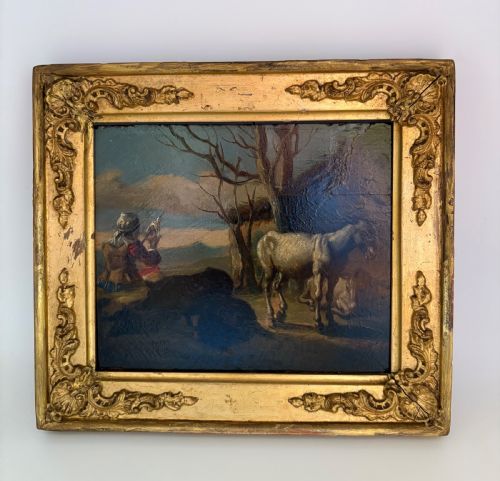
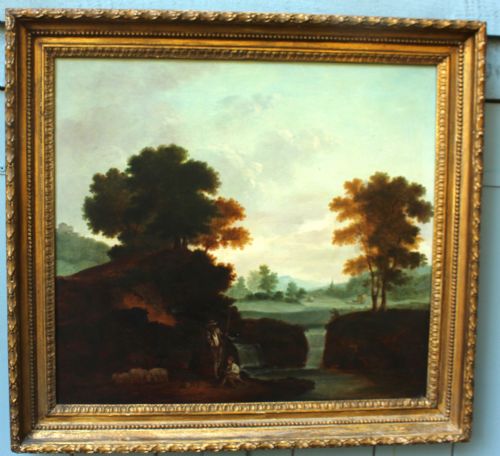
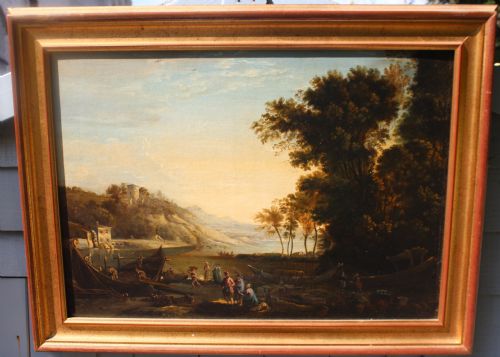
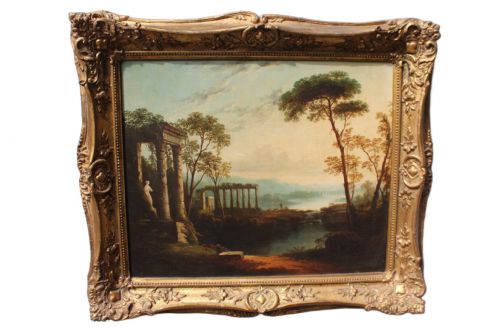
These pieces of italianate landscape art capture sunlit classical ruins, pastoral figures, and distant southern hills through centuries of European vision.
Italianate Landscape Art
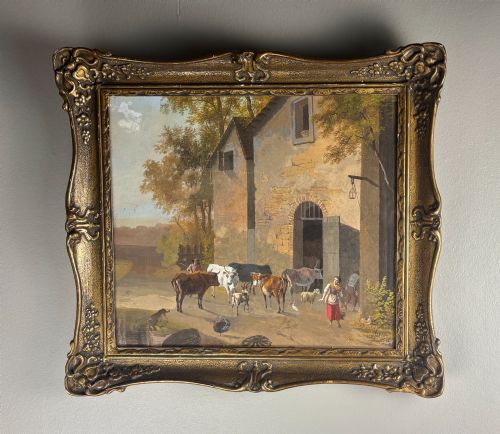
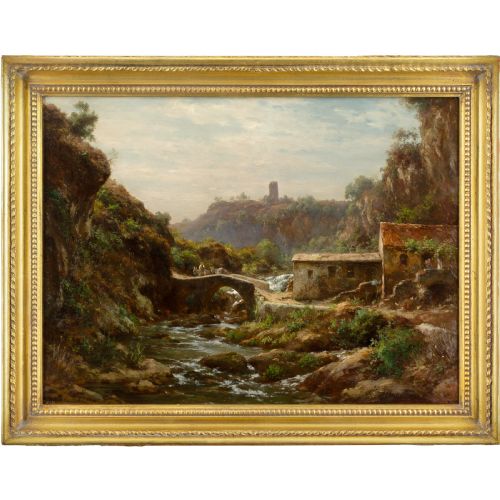
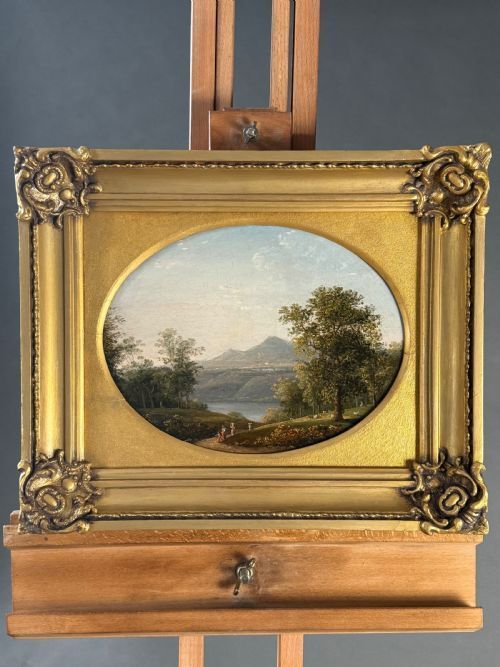
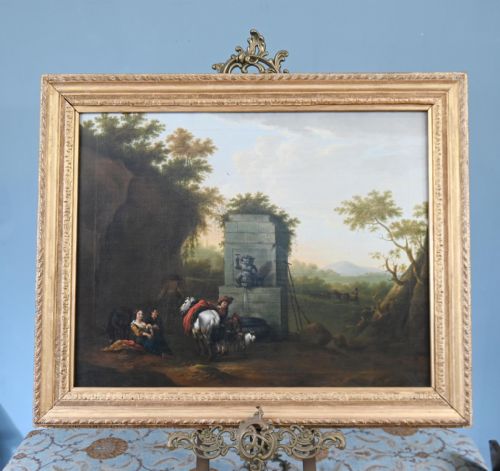
When someone searches for italianate landscape art, they are looking at pastoral views infused with classical architecture, sun-drenched light, and idealized southern European scenery. These works transport northern European motifs to a warmer clime, often featuring figures bathing, tending flocks, or angling near antique ruins and quiet rivers.
The versions most likely to meet a buyer on this page span several centuries, including seventeenth-century golden age interpretations, eighteenth-century Grand Tour paintings, and nineteenth-century watercolours. Mediums range widely from oil on canvas and oak panel to gouache and paper, housed within period giltwood frames.
Factors that distinguish quality
The distinction between ordinary and exceptional works rests upon the handling of light, atmospheric depth, and the naturalism of the pastoral figures. Superior compositions guide the eye through layered planes from detailed foregrounds to distant classical villas.
Condition of the support and pigment layer also determines standing, alongside the presence of period frames that complement the painting style. Works by documented followers or circle members carry distinct art historical interest compared to anonymous studio output.
Italianate Landscape Art Retail Price Guide 2026
Typical asking prices for italianate landscape art among the pieces listed under this phrase on Sellingantiques today, from the lower quarter to the upper quarter. They describe what is for sale here now, not the wider market.
Listings feature oil on canvas, gouache on paper, and oil on oak panel spanning the seventeenth to the twentieth century.
Jacob Philipp Hackert·Karel Dujardin·Jan Miel·Cornelis Van Poelenburgh·Philipp Peter Roos·Claude Lorrain·Richard Wilson·William Crouch·Thomas Jones·Peter de Wint
The Italianate Landscape Art Glossary
- Grand Tour
- A traditional trip of Europe undertaken by upper-class European young men of sufficient means to flourish their cultural education. It frequently resulted in the acquisition of paintings and souvenirs depicting classical landscapes.
- Giltwood
- Wood that has been treated with gold leaf or gold paint to produce a rich, metallic surface. It is commonly found on antique picture frames housing classical oil paintings.
- Gouache
- An opaque water-based paint method that creates solid, vibrant colour fields on paper. It allows artists to achieve rich tones distinct from translucent watercolour.
- Dutch Golden Age
- A period in Dutch history spanning the seventeenth century wherein trade, science, and art greatly acclaimed global renown. Painters from this era often travelled south and brought Italian light back to northern studios.
Italianate Landscape Art: Frequently Asked Questions
What is italianate landscape art?
These works depict idealized southern European scenery, usually combining classical ruins, rustic figures, and warm sunlight. They reflect the enduring appeal of the Mediterranean countryside across different centuries of European painting.
Artists from northern countries often travelled south to sketch these sunlit vistas, translating the classical atmosphere onto canvas and paper for collectors back home.
How were these paintings displayed?
Period works were typically hung in formal reception rooms and parlours within substantial homes, often enclosed by ornate carved giltwood frames. These frames were designed to complement the warm, luminous tones of the pastoral scenes.
Collectors placed them to draw natural light, enhancing the atmospheric depth and golden hues characteristic of southern European landscape painting.
How do I date a landscape painting?
Dating relies upon examining the support material, such as canvas weave or oak panel preparation, alongside the specific pigment application and framing style. Signatures, dates, and inscriptions provide direct chronological markers when present.
Stylistic cues also help narrow the origin, distinguishing seventeenth-century golden age approaches from later eighteenth-century Grand Tour souvenirs and nineteenth-century watercolours.
Who collected these landscapes?
Wealthy travellers undertaking the Grand Tour across Europe acquired many of these views to commemorate their travels through Italy and France. They sought out artists who could capture the classical antiquity and serene climate of the south.
Later collectors continued the tradition by acquiring works by followers of master painters to decorate private libraries and drawing rooms.