


Italian Stone Carving
When you search for italian stone carving, you enter a world of classical sculpture and grand tour souvenirs shaped from marble and alabaster.
Italian Stone Carving
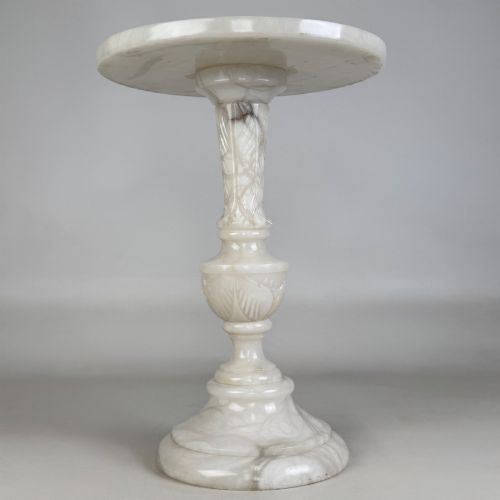
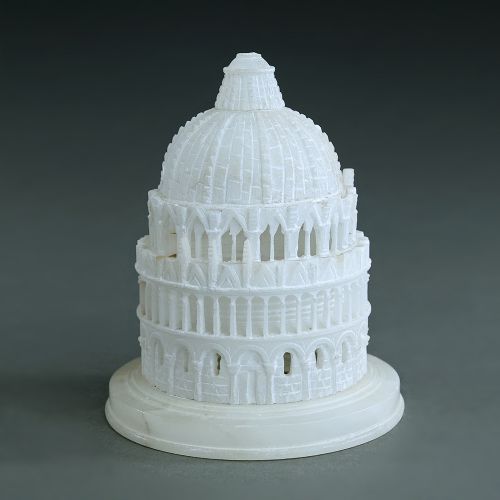
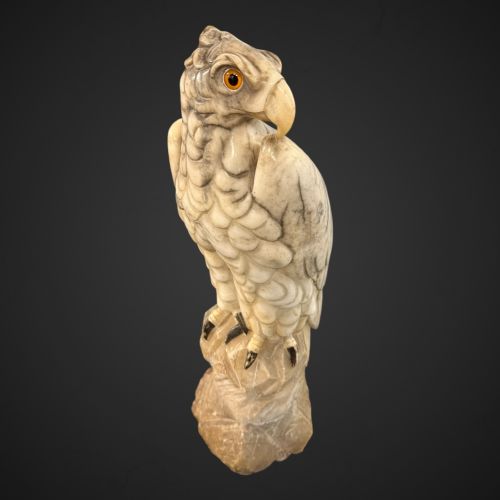
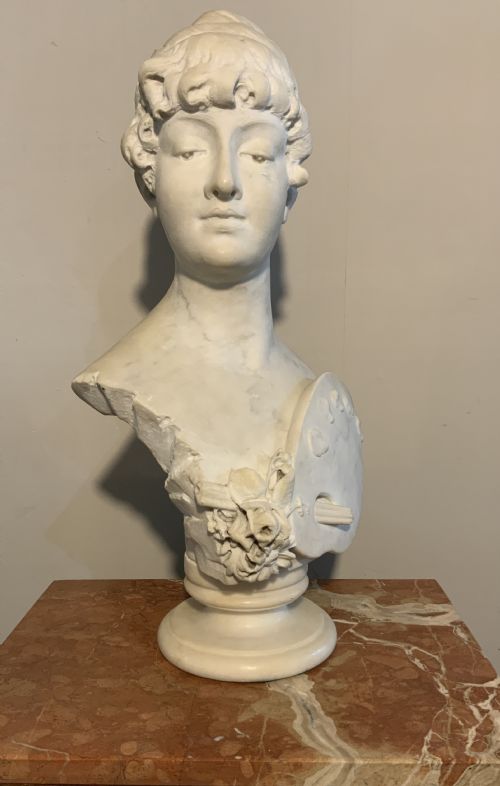
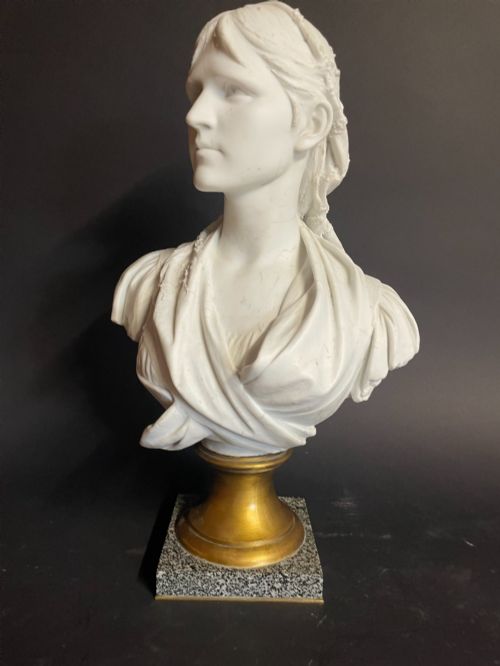
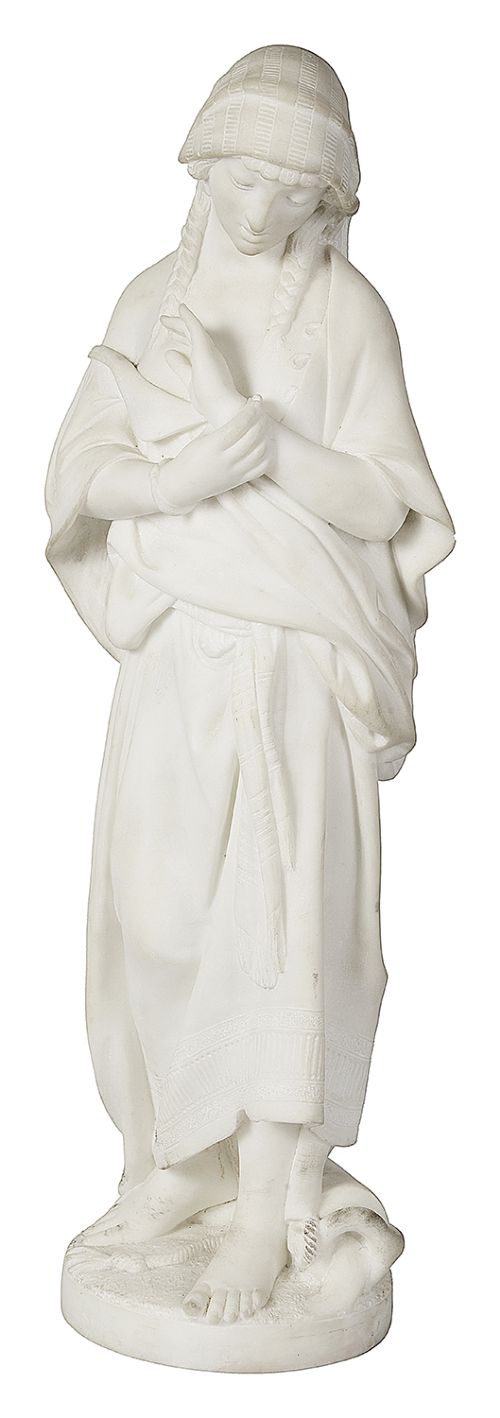
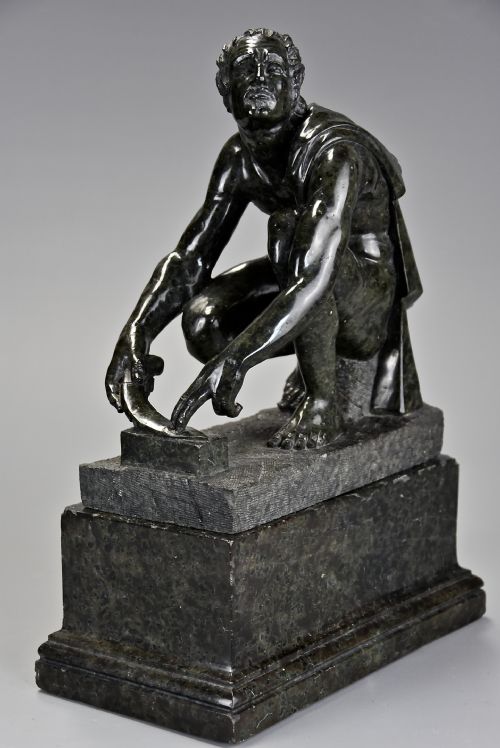
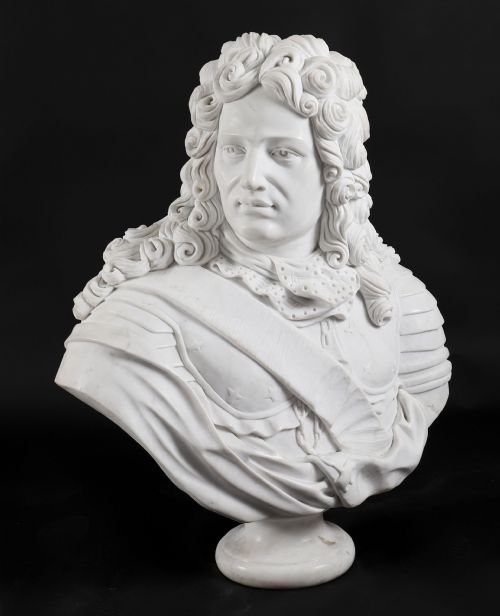
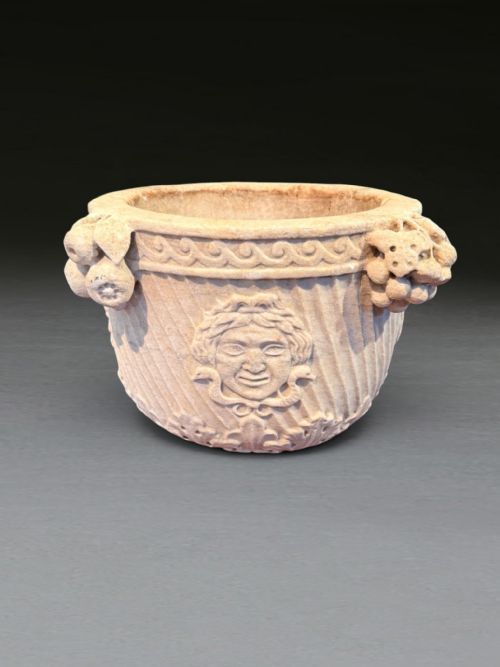
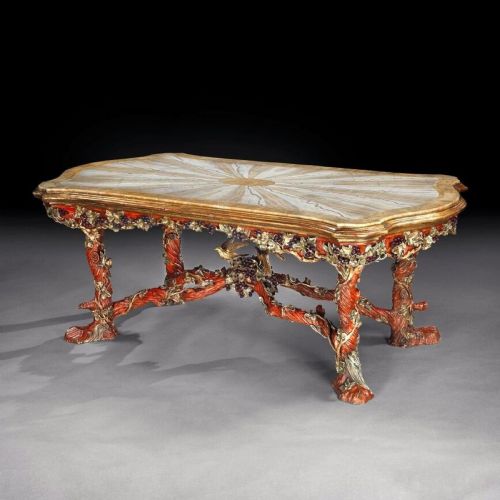
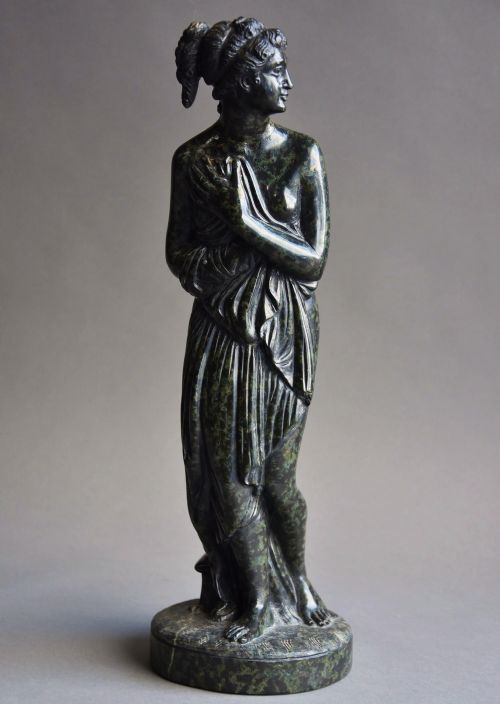
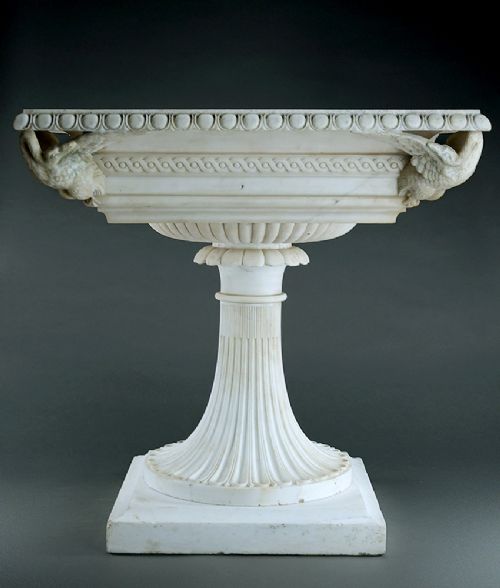
Italian stone carving encompasses classical sculptures, architectural fragments, and decorative objects shaped from marble, alabaster, and serpentine. These pieces range from miniature models of ancient buildings and mythological figures to life-sized busts, lions, and occasional utility items like mortars and side tables.
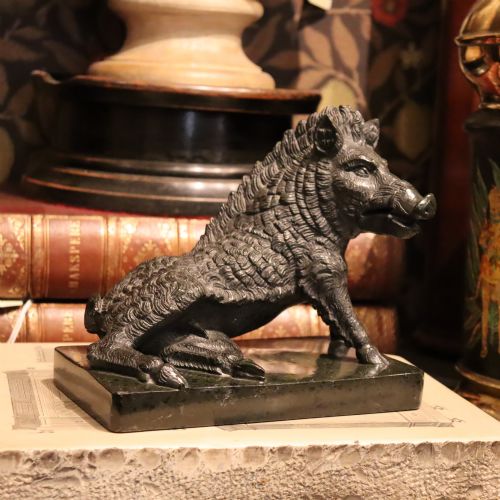
The objects most frequently met on this page belong to the nineteenth century, particularly reflecting the Grand Tour tradition where travellers brought home souvenirs of classical antiquity. You will encounter mythological subjects, animal studies after antique bronzes, and portrait busts carved in white Carrara marble or veined alabaster.
How they were made
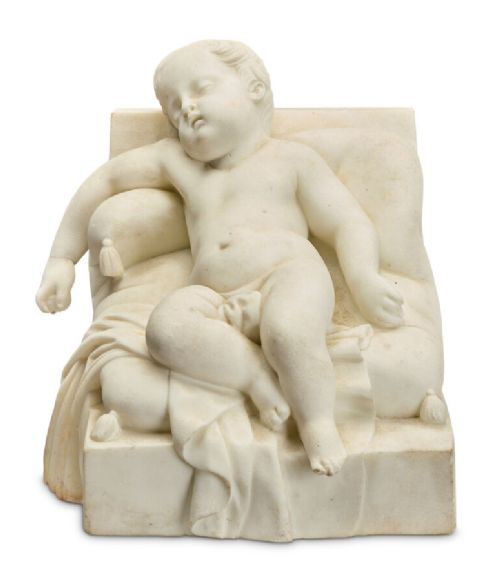
Makers shaped these pieces primarily from natural stones such as Carrara marble, alabaster, serpentine, and verde antico, sometimes mounting figures on contrasting black marble bases or incorporating inset pietra dura. Artisans utilised hand chisels, drills, and abrasive powders to achieve the smooth gradients of a sleeping putto or the sharp feathers of an eagle statue.
Many nineteenth-century works were produced in Italian workshops after classical antiquities or famous Renaissance models by sculptors like Antonio Canova. Surface finishes varied from polished high gloss on drapery and flesh to matte textures on bases and naturalistic rockwork.
Italian Stone Carving Retail Price Guide 2026
Typical asking prices for italian stone carving among the pieces listed under this phrase on Sellingantiques today, from the lower quarter to the upper quarter. They describe what is for sale here now, not the wider market.
Materials span white Carrara marble, veined alabaster, green serpentine, onyx, and multi-coloured specimen marbles.
What varies in quality
The distinction between ordinary and exceptional carving lies in the anatomical precision of figures, the depth of undercut details in hair and drapery, and the lively handling of expression. A superior sculpture captures the tension of muscle and the soft fall of cloth, whereas lesser pieces remain stiff and formulaic.
Material selection also dictates distinction, with dense, evenly figured marbles and translucent alabasters commanding attention. The crispness of lettering on inscribed bases and the harmony between the carved subject and its stone socle reveal the hand of a skilled atelier.
Barranti·Amleto Bertoni·A.Gamay·R. Mattei
The Italian Stone Carving Glossary
- Grand Tour
- A cultural journey undertaken by wealthy young Europeans through Italy, collecting classical antiquities and souvenir carvings. These objects were typically scaled-down models of famous monuments or sculptures.
- Carrara Marble
- A type of white or blue-grey marble mined from the city of Carrara in Tuscany, prized since Roman times for its purity and uniform grain. It served as the primary medium for classical and nineteenth-century statuary.
- Putto
- A plump, winged male infant depicted in classical art and Renaissance sculpture, often resembling a cupid. In stone carving, these figures frequently appear sleeping or playing.
- Pietra Dura
- An artistic technique using cut and fitted polished coloured stones to create geometric or pictorial designs on tabletops and plaques. Florentine workshops specialised in this mosaic-like craft.
- Serpentine
- A group of green silicate minerals often used as a decorative stone for columns, urns, and animal models. Its mottled appearance mimics the skin of a serpent.
Italian Stone Carving: Frequently Asked Questions
What is a grand tour carving?
Grand tour carvings are miniature or cabinet-scale replicas of classical statues, buildings, and architectural fragments created in Italy during the eighteenth and nineteenth centuries.
Travellers purchased these alabaster and marble pieces as portable memories of their classical education and travels through Rome and Florence.
How do you clean antique marble?
Antique marble requires gentle dusting with a soft, dry cloth to prevent the accumulation of grit in carved crevices. Water and chemical cleaning agents can damage porous stone surfaces and erode historic patinas.
Specialist conservation wax is occasionally applied by experienced handlers to protect exposed marble and alabaster from atmospheric moisture.
Are these pieces signed by artists?
Some nineteenth-century Italian sculptures and busts bear incised signatures or workshop stamps on their rear margins or supporting socles. Signatures typically name the individual carver or the Florentine and Roman studios that produced them.
Unsigned pieces remain common, often reflecting the output of larger commercial sculpture workshops catering to foreign visitors.
What is alabaster?
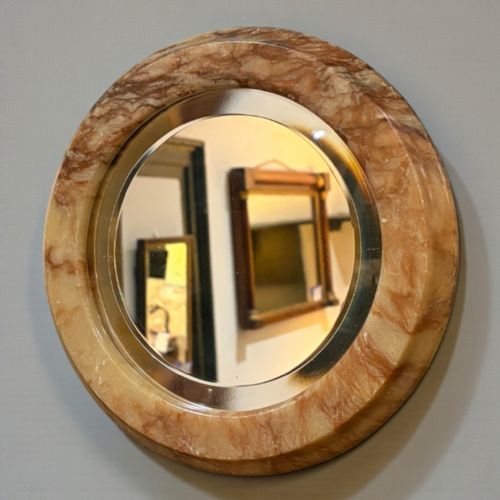
Alabaster is a soft, fine-grained stone that allows light to penetrate slightly beneath its surface, creating a warm, translucent quality. Sculptors utilised this material for miniature architectural models, table lamps, and portrait figures.
Because the stone is softer than marble, alabaster carvings are particularly susceptible to scratching and moisture damage.