
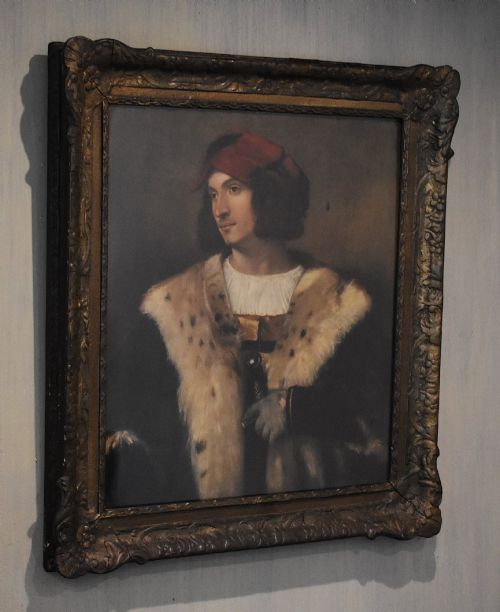


Italian Renaissance Figure
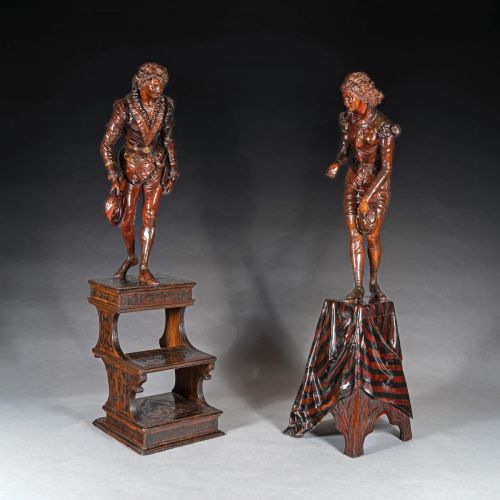
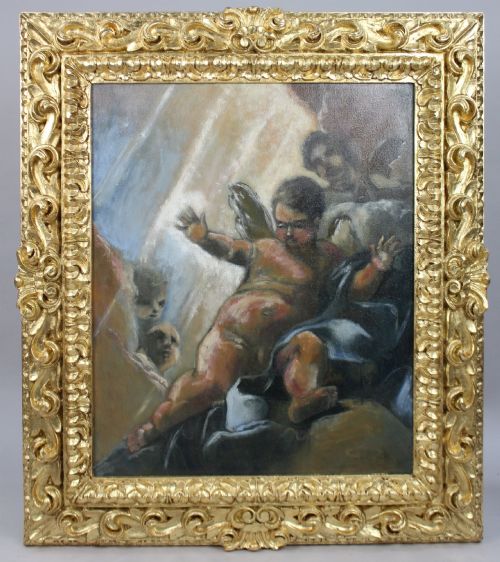
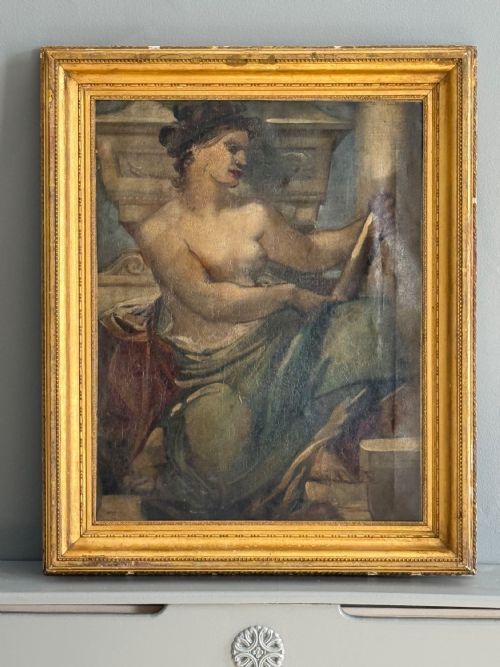
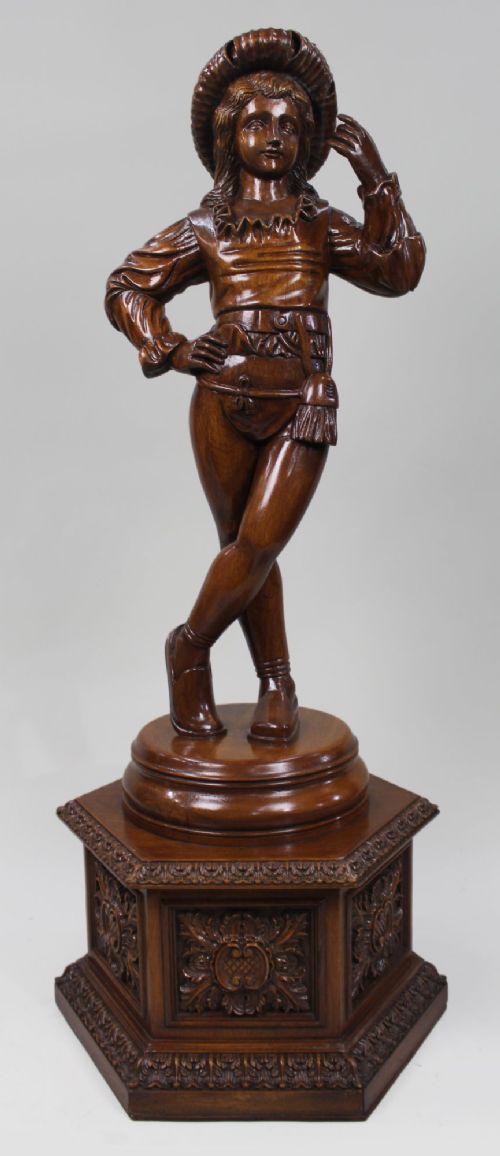
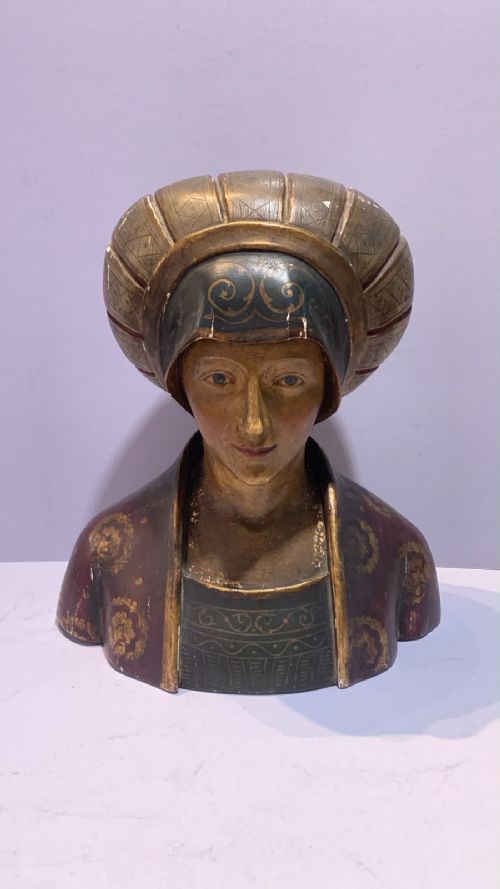
An italian renaissance figure captures the enduring power of classical form through cast bronze, carved wood and oil on canvas.
Italian Renaissance Figure
An italian renaissance figure encompasses sculptural works in bronze and terracotta alongside framed wall art and oil paintings depicting classical subjects.
Buyers frequently encounter nineteenth century revival pieces and Grand Tour souvenirs modelled after canonical Renaissance masters.
The selection spans from sixteenth century woodwork and seventeenth century bronzes to later interpretive works in walnut, lime wood and marble.
Materials and construction
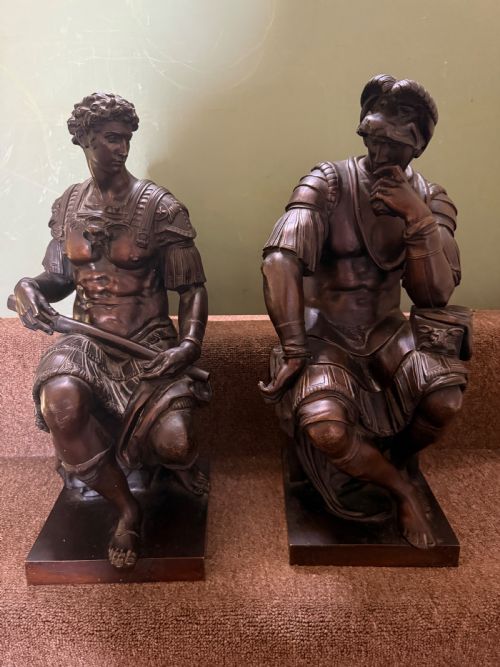
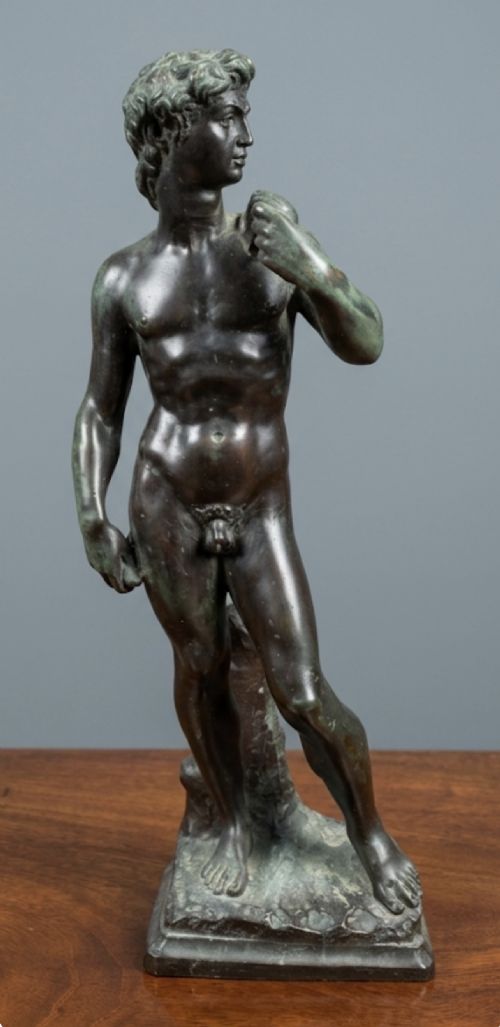
Metals are cast using traditional techniques to render detailed bronze sculptures, often finished with dark patination or gilt highlights.
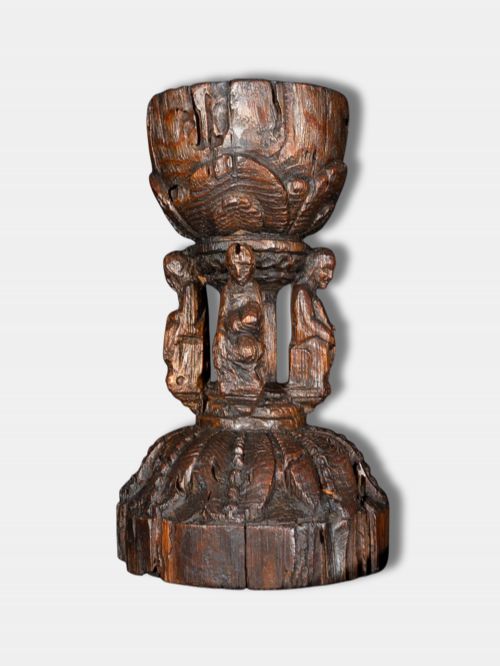
Carved pieces utilise dense woods such as walnut, oak, hardwood and lime wood, shaped by hand into figures, architectural elements and decorative furnishings.
Two-dimensional works employ oil paint on canvas or paper, framed in carved giltwood or presented as fine prints and sanguine drawings.
Several figures immortalise famous subjects in bronze, including Lorenzo de Medici and David.
Assessing quality and execution
Execution rests upon the crispness of the casting in bronze or the depth and precision of hand carving in wood.
Fidelity to canonical prototypes and the subtlety of surface patination or polychrome application distinguish superior examples from standard workshop output.
Michelangelo·Valentino Besarel·Luigi Frullini·Titian·Raphael
The Italian Renaissance Figure Glossary
- Grand Tour
- A traditional trip through Europe undertaken by upper-class scholars and travellers, resulting in the acquisition of souvenir bronzes and art.
- Patination
- The natural or chemical surface ageing on bronze and metalwork that deepens tone and accentuates sculptural detail.
- Polychrome
- The practice of decorating sculptural wood or terracotta surfaces with multiple paint colours.
- Sanguine
- A type of reddish-brown chalk or crayon used historically for figure drawing and sketching.
Italian Renaissance Figure: Frequently Asked Questions
What is an italian renaissance figure?
An italian renaissance figure is a sculptural work, painting or drawing created in the style of the fifteenth and sixteenth-century Italian artistic movement.
Many pieces available today are nineteenth-century revivals and Grand Tour souvenirs modelled after famous Renaissance statues and paintings.
How do I date a bronze figure?
Dating involves examining the quality of the casting, the nature of the surface patination and the wear on the underside of the base.
Nineteenth-century Grand Tour bronzes often display specific foundry marks and handling wear consistent with traveller souvenirs from that period.
Where were these pieces displayed?
Historically, original sculptures and paintings adorned noble palazzos, churches and private study rooms across Italy.
Revival pieces and Grand Tour bronzes were later displayed in nineteenth-century drawing rooms and libraries as symbols of classical learning.
How do I care for carved wood figures?
Carved wood figures require a stable indoor environment away from direct sunlight and sudden changes in relative humidity.
Light dusting with a dry, soft cloth is sufficient to maintain the surface without applying modern polishes or oils.