

Italian Religious Antiques
Italian religious antiques bring centuries of devotion into a room through oil paintings, carved wood sculptures, and gilded ecclesiastical furnishings.
Italian Religious Antiques
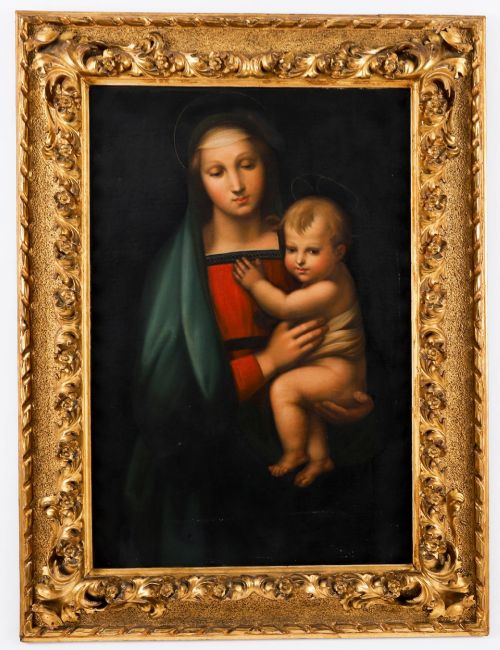
Italian religious antiques encompass devotional paintings, sculptures, and sacred objects created for churches, private chapels, and domestic shrines. When exploring italian religious antiques, buyers encounter centuries of Catholic artistry ranging from devotional plaques to large oil paintings of the Madonna and Child.
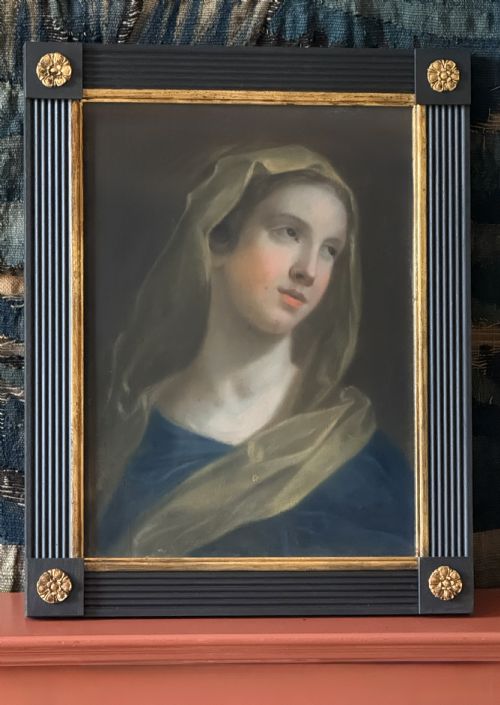
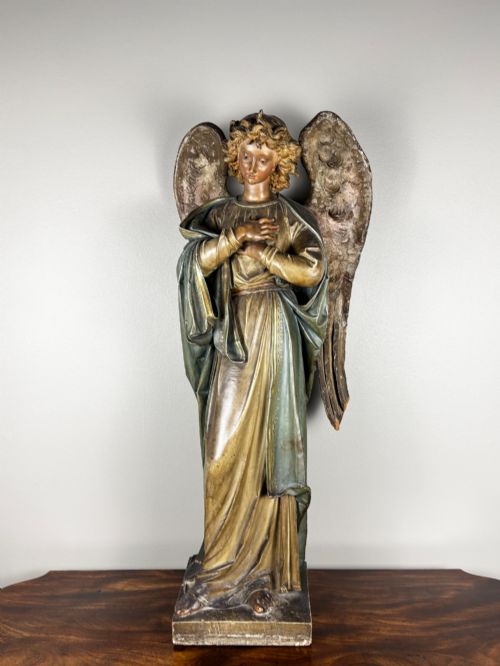
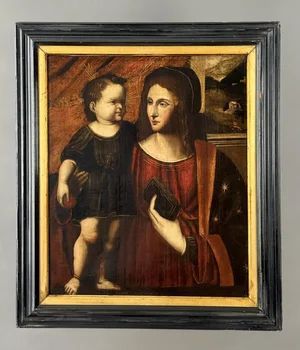
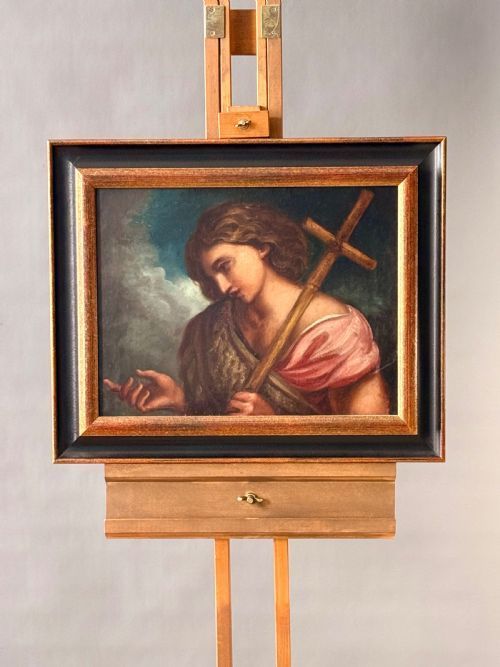
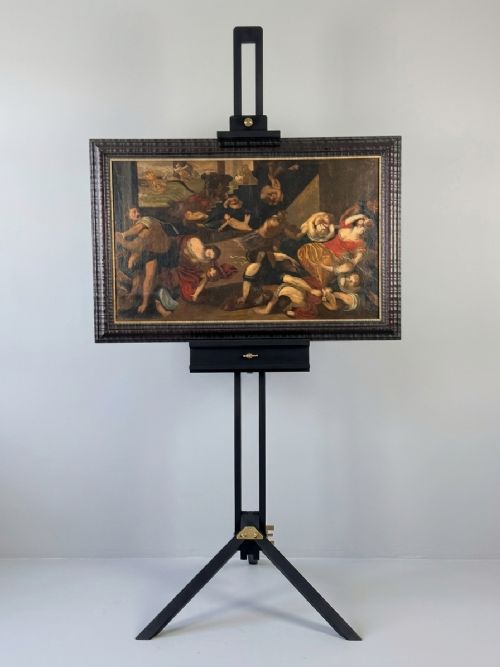
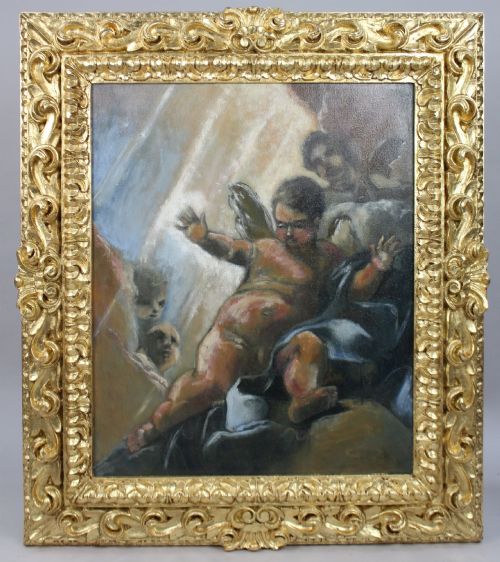
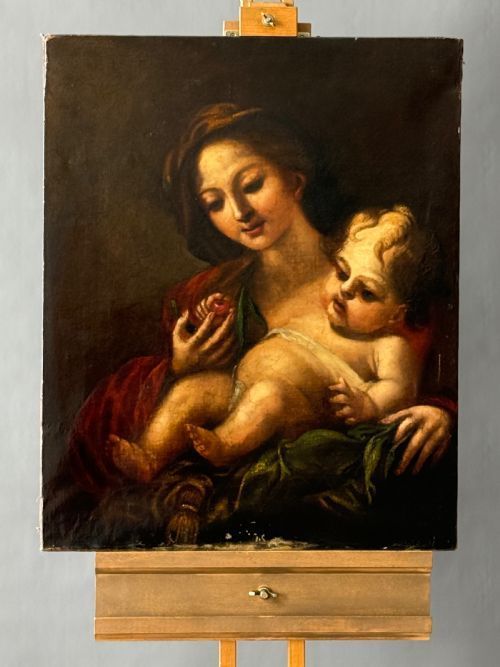
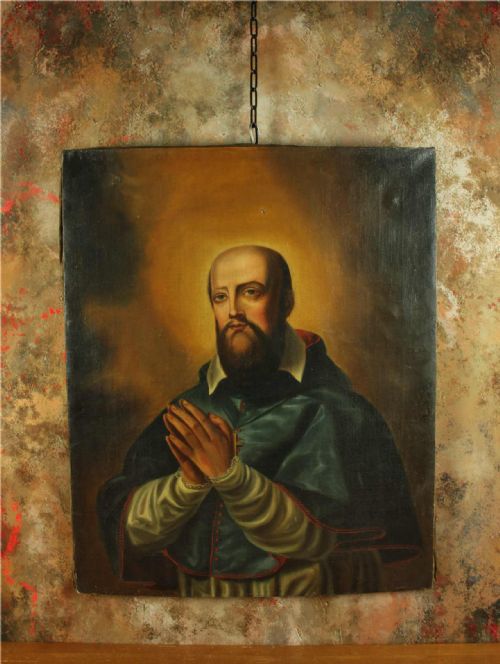
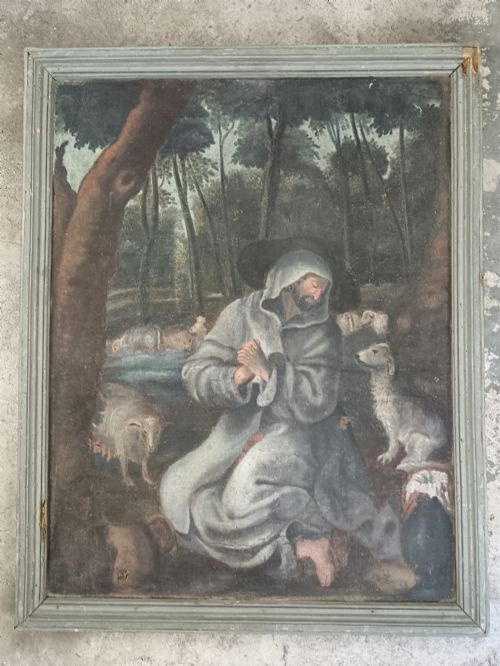
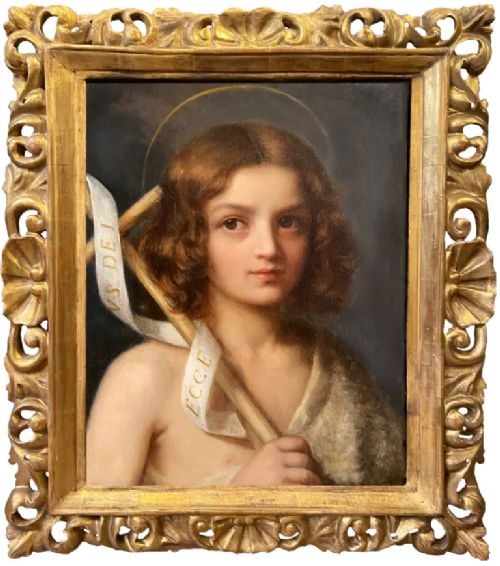
The selection on this page relies heavily on oil paintings on canvas alongside carved wood figures, polychrome busts, and giltwood altar elements. Pieces span from the sixteenth century through the nineteenth century, reflecting regional workshops and academic schools across Italy.
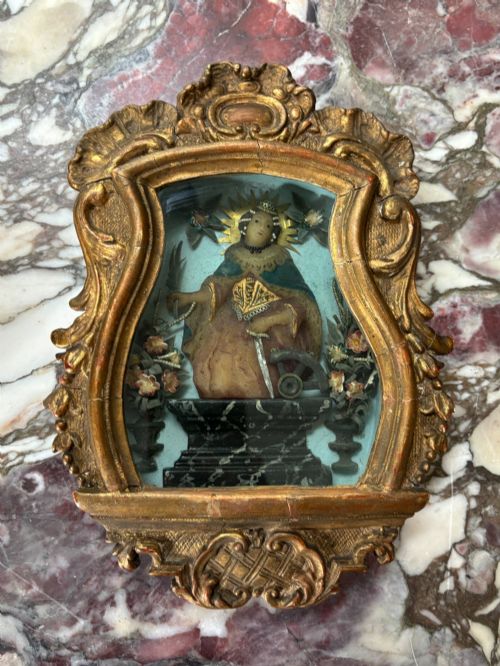
Smaller devotional items such as ex-voto offerings, reliquary mirrors, and miniature portraits sit alongside grander altarpiece studies and old master works. These items bridge historical art production and personal spiritual life in domestic spaces.
Materials and Construction Techniques
Painters utilised oil on canvas, pastels, and watercolours, often applying pigments over preparation layers such as gesso on wood panels or woven canvas supports. Canvases frequently display the rich brushwork of regional schools, while pastels and miniatures capture fine devotional detail on paper or vellum.
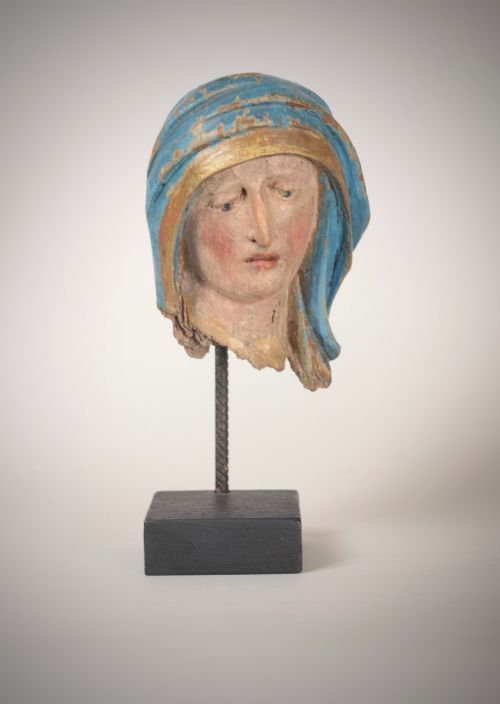
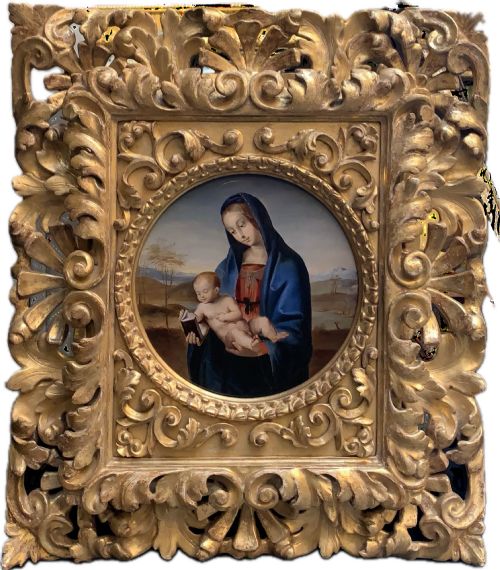
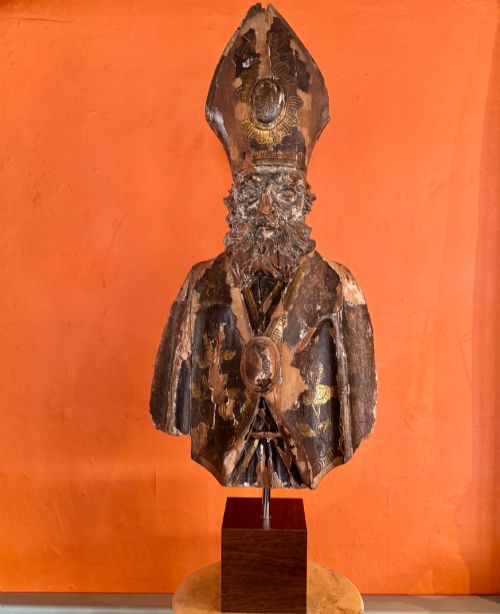
Sculptors carved figures from olive wood, chestnut, oak, and other regional timbers, frequently finishing them with polychrome paint, gilding, or gesso. Giltwood altar candlesticks and architectural frames combined carved timber with gold leaf application to catch candlelight within dim ecclesiastical interiors.
Italian Religious Antiques Retail Price Guide 2026
Typical asking prices for italian religious antiques among the pieces listed under this phrase on Sellingantiques today, from the lower quarter to the upper quarter. They describe what is for sale here now, not the wider market.
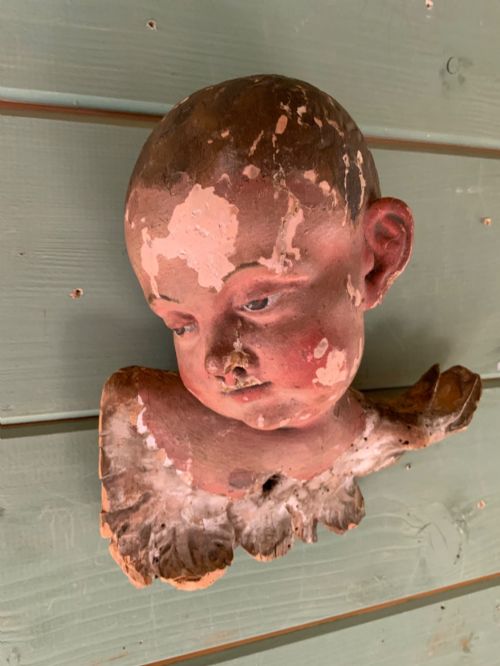
Several wooden saints still wear faint traces of forgotten blush upon their carved cheeks.
Assessing Quality and Execution
The survival of original surfaces, such as untouched polychrome paint on a wooden bust or undisturbed gold leaf on a carved frame, elevates a piece. Evidence of early creation, such as visible pentimenti in oil paintings, points to authentic period working methods rather than later imitation.
Benedetto Luti·Francesco Solimena·Costantino Frixione
The Italian Religious Antiques Glossary
- Oil on Canvas
- Pigments bound in a drying oil applied to a stretched fabric support. This technique allowed painters to achieve deep tonal gradations and lasting durability.
- Giltwood
- Timber carved and coated with gold leaf or gold powder over a preparation layer. It was widely used for ornate church frames and altar furnishings.
- Polychrome
- Decorated in several colours. This term describes wooden sculptures and architectural elements painted to mimic life or enhance devotional impact.
- Ex Voto
- A votive offering given to a saint or divinity in fulfilment of a vow. These metal or wooden plaques mark prayers answered or miracles received.
- Pentimento
- An alteration in a painting, evidenced by traces of previous work showing through the top layer. This occurrence confirms the artist made composition changes directly on the canvas.
Italian Religious Antiques: Frequently Asked Questions
What periods do these pieces come from?
The pieces span from the sixteenth century through the nineteenth century, capturing distinct shifts in Italian art and devotional practice. Renaissance and Baroque eras are particularly well represented among the paintings and carved wooden sculptures.
Later nineteenth-century works and Grand Tour souvenirs also appear, showing how Italian sacred art continued to influence collectors and travellers long after the height of the ecclesiastical patronage system.
How were carved wooden saints used?
Carved wooden statues and santos figures served as focal points for prayer within churches, private chapels, and domestic households. They were often dressed in real textiles or paraded through streets during religious festivals.
Smaller busts and devotional plaques were placed in bedrooms or quiet corners of the home to aid daily contemplation and honour specific patron saints.
What is an ex voto plaque?
An ex voto is a physical offering left at a shrine or church to give thanks for a divine favour or healing. These objects were cast or stamped in metal, often depicting the healed body part or a scene of rescue.
In domestic collections, they function as striking examples of folk devotion and personal history preserved in physical form.
How should I display antique religious art?
These pieces suit spaces with stable temperature and humidity away from direct sunlight, which protects delicate oil paintings and polychrome wood surfaces. Wall-mounted oil paintings and mirrors benefit from secure fixings suited to their heavy wooden or gilt frames.
Freestanding sculptures and candlesticks require stable surfaces where they can be viewed closely without risk of knocks or falls.