



Italian Inlaid Cabinet
An italian inlaid cabinet brings sophisticated marquetry and rich timbers into a room, offering both display space and historic craft.
Italian Inlaid Cabinet
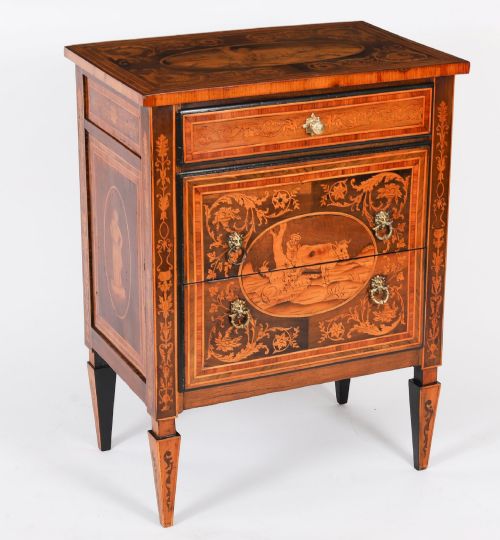
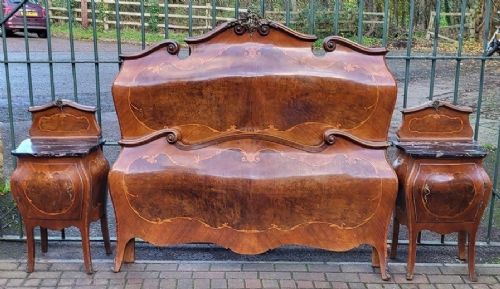
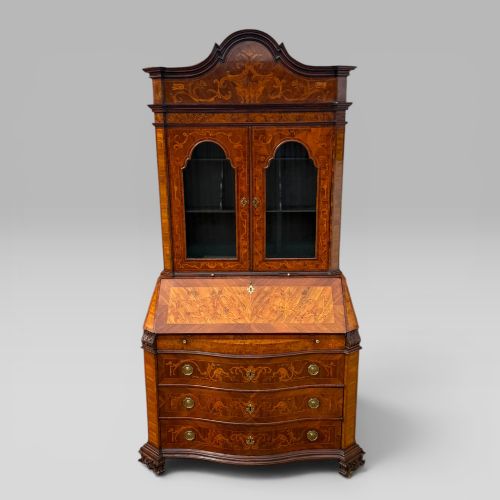
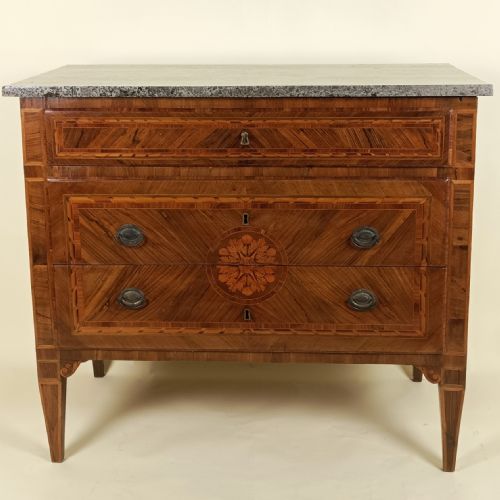
An italian inlaid cabinet encompasses a variety of forms including commodes, bedside tables, bureau bookcases, and secretaire cabinets spanning multiple centuries. Buyers searching for an italian inlaid cabinet frequently encounter pieces ranging from 18th century walnut designs to Victorian, Edwardian, and mid-20th century iterations.
The construction styles represented vary significantly, touching upon Venetian Rococo, Italian Neoclassical, and Moorish Revival aesthetics. Many examples utilise geometric marquetry or pictorial wood inlays, while others incorporate marble tops and giltwood accents to enhance their decorative presence.
Materials and construction methods
Cabinet makers utilised a foundation of solid timbers such as walnut, mahogany, and fruitwood, often applying veneers of burr walnut, kingwood, tulipwood, and various exotic woods for the patterned surfaces. Marquetry techniques involved cutting intricate pictorial or geometric designs from thin sheets of wood and setting them meticulously into the primary ground.
Surface details frequently include parcel gilt highlights, ebonised wood mouldings, and occasionally inset panels of pietra dura. Hardware commonly consists of cast brass mounts and handles that complement the tonal variations of the natural wood veneers.
Italian Inlaid Cabinet Retail Price Guide 2026
Typical asking prices for italian inlaid cabinet among the pieces listed under this phrase on Sellingantiques today, from the lower quarter to the upper quarter. They describe what is for sale here now, not the wider market.
Some bedside cupboards hide secret compartments originally designed for midnight valuables.
Assessing quality and execution
The refinement of the marquetry work heavily dictates the distinction between standard and exceptional pieces, with precise cutting and varied timber selection defining finer examples. The complexity of the cabinet form also plays a role, as bombe profiles and curved serpentine fronts require greater carpentry skill than straight-lined carcases.
The integrity of the structural timber and the preservation of the original veneer surfaces influence the overall standard. Pieces retaining their original hardware, uncompromised marble tops, and undisturbed historic finishes command greater appreciation.
Pietro Ferrario·Adriano Brambilla
The Italian Inlaid Cabinet Glossary
- Marquetry
- Decorative veneer work arranged in intricate patterns or pictures using various coloured woods. This technique requires considerable skill to fit individual wooden segments together.
- Bombe
- A convex, outward-curving swell on the front and sides of a piece of furniture. It is characteristic of Rococo and mid-18th century European design.
- Pietra dura
- An inlay technique using cut and fitted polished coloured stones to create pictorial designs. It often appears on luxury panels of 19th century cabinets.
- Secretaire
- A cabinet or desk incorporating a fold-down writing flap that conceals small drawers and pigeonholes. These items combine storage with a dedicated writing surface.
- Commode
- A low chest of drawers, often standing on relatively tall legs. The form developed in France and was widely adopted across Italy.
Italian Inlaid Cabinet: Frequently Asked Questions
Where should I place an inlaid cabinet?
These cabinets work well as focal points in drawing rooms, hallways, or spacious bedrooms where their decorative surfaces can be appreciated. Keeping them away from direct sunlight and strong heat sources helps protect the delicate wood veneers.
Pairing the cabinet with complementary antique furniture allows the marquetry patterns to stand out without competing with surrounding decor. Placing items carefully on top avoids scratching the polished wood or marble surfaces.
How do I care for antique marquetry?
Maintenance involves dusting regularly with a soft, dry cloth and avoiding modern chemical polishes that can degrade historic finishes. Applying a suitable wax occasionally helps nourish the wood and maintain a gentle sheen.
Maintaining a stable room temperature and consistent humidity prevents the timber base from expanding or contracting, which can otherwise cause veneers to lift. Professional conservation is recommended if any part of the inlay becomes loose.
What is the difference between inlay and marquetry?
Inlay typically involves setting pieces of wood, metal, or stone into a recessed cavity carved directly into a solid wooden surface. This method has ancient origins and creates robust decorative patterns.
Marquetry covers the entire surface of the carcase with a mosaic of fitted veneer pieces assembled on a paper backing before being glued down. This technique allowed cabinet makers to create complex pictorial scenes across curved furniture fronts.
How can I tell the period of a cabinet?
Dating relies on examining the construction methods, timber choices, and stylistic vocabulary displayed across the piece. 18th century examples often feature hand-cut dovetails and specific regional marquetry motifs distinct from later revival periods.
Comparing the hardware, secondary woods inside the drawers, and overall proportions provides further clues regarding age. Stylistic cues such as Neoclassical symmetry or Rococo asymmetry align with specific decades of European design.