


Italian Gilt Fitting
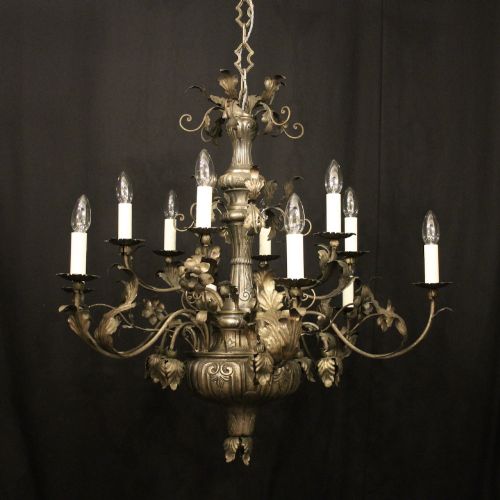
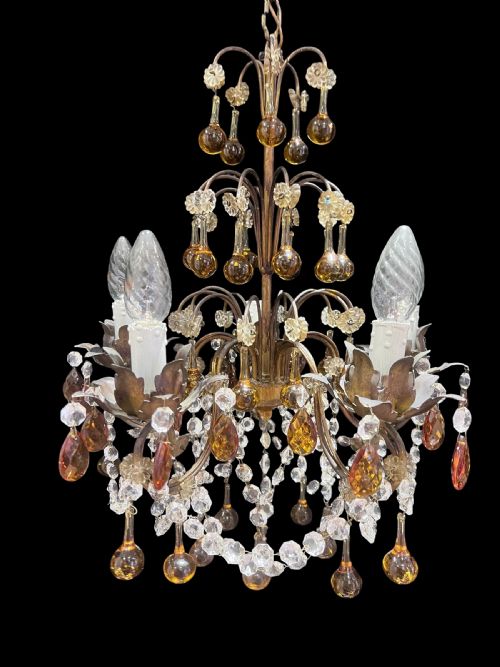
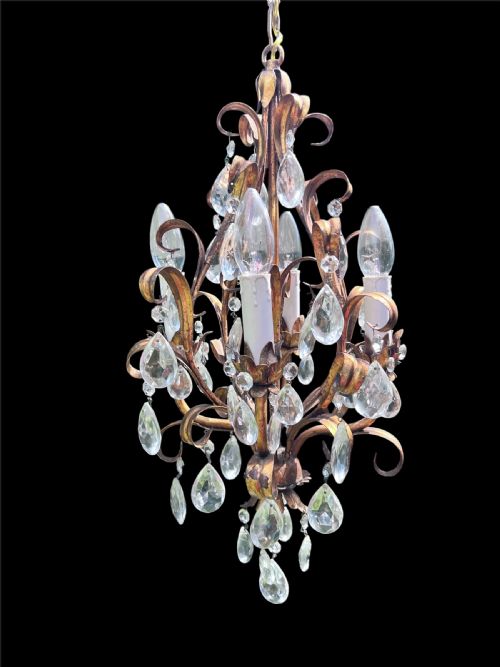
An italian gilt fitting brings opulent illumination and rich surface texture into a room, spanning grand multi-tiered chandeliers to carved wall lights.
Italian Gilt Fitting
When you search for an italian gilt fitting, you encounter a selection of lighting and decorative objects originating from Italy across several centuries. The selections include grand chandeliers with multiple lights, wall light fittings, lanterns, and standard lamps produced in the eighteenth, nineteenth, and early twentieth centuries.
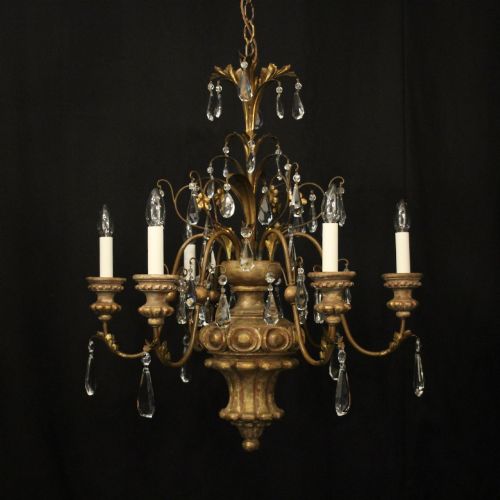
You are most likely to meet twentieth-century pieces on this page, particularly items from the 1920s and 1930s reflecting Florentine styles. These frequently feature carved giltwood, leafy motifs, and glass crystals designed to catch and refract light across large spaces.
The forms range from intimate three-light wall fixtures to massive twenty-four light chandeliers. Alongside ceiling and wall lighting, the listings encompass occasional decorative items such as standard lamps and alabaster mantel clocks fitted with French movements.
How they were made
Carvers and metalsmiths shaped these pieces using traditional materials including wood, gesso, bronze, brass, and wrought metal. Artisans applied layers of gold leaf or gilding over carved wooden structures or metal frames to achieve a luminous finish.
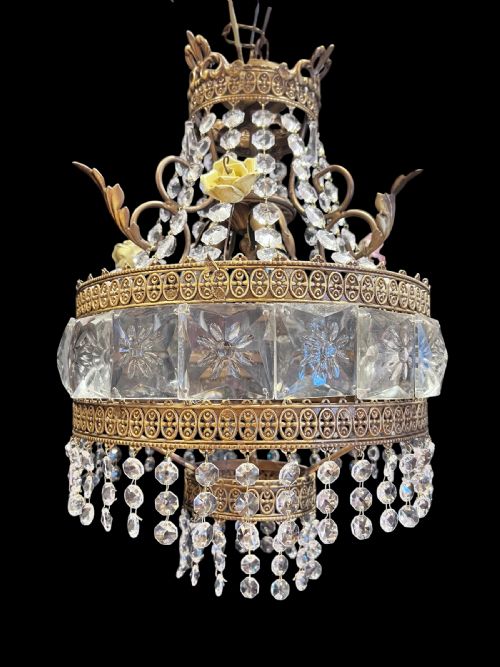
Glass and crystal components, sometimes coloured or formed into floral shapes and beads, were integrated alongside porcelain elements and toleware. Hand-carving and detailed metalwork define the construction of the frames, leaves, and decorative drops.
Materials documented across the pieces include giltwood, glass, crystal, gesso, brass, bronze, toleware, and alabaster.
What varies in quality
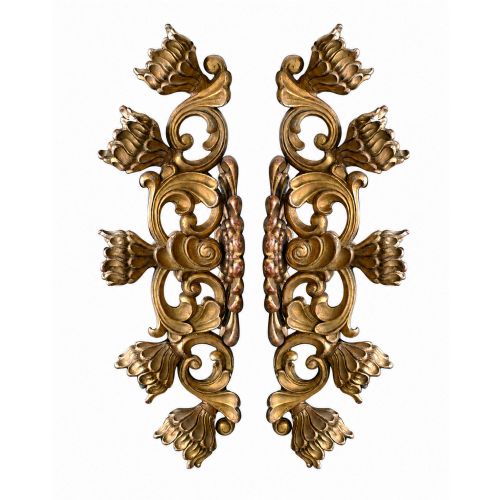
The depth and execution of the hand-carving separate standard production from superior examples. Finely rendered leaves, intricate openwork on giltwood frames, and substantial metal casting elevate the visual impact of a fixture.
The complexity of the glass or crystal dressing contributes significantly to the distinction between pieces. Elaborate multi-tiered arrangements with numerous lights, beaded strands, and coloured crystals demonstrate higher ambition in design and assembly.
The Italian Gilt Fitting Glossary
- Giltwood
- Wood that has been coated with gold leaf or a gilt finish. This technique provides a durable and reflective surface widely used in Italian furniture and lighting frames.
- Florentine
- A regional style associated with Florence, characteristically featuring carved leaf motifs, scrollwork, and rich surface gilding. It dominates many of the twentieth-century lighting designs.
- Toleware
- Enamelled or lacquered metalware used for decorative accents on lighting fixtures. It often introduces painted polychrome details to the metal elements.
- Gesso
- A plaster-like mixture applied to wood surfaces as a base for gilding. It allows carvers to build up crisp details before applying gold leaf.
Italian Gilt Fitting: Frequently Asked Questions
What periods do these Italian gilt fittings date from?
The pieces span from the eighteenth century through the nineteenth century and into the early decades of the twentieth century, with concentrations in the 1920s and 1930s.
Earlier examples feature eighteenth-century and nineteenth-century hand-carved giltwood, while later twentieth-century items often showcase elaborate Florentine chandeliers and wall lights.
How do I identify a Florentine style fitting?
Florentine pieces are distinguished by carved wooden or gilt metal frames decorated with leafy motifs, scrolls, and floral elements. They frequently incorporate giltwood and crystal drops.
Many examples utilise multiple light branches arranged in single or double tiers, finished in bright or antiqued gold leaf.
What materials were used to make these fittings?
Maker materials recorded in the evidence include giltwood, gesso, glass, crystal, bronze, brass, and toleware. Some designs also integrate porcelain flowers or carved alabaster.
The combination of gilt surfaces with glass crystals and metal frames creates the characteristic reflective quality of these Italian fixtures.
Are there different sizes of chandeliers available?
The inventory includes everything from compact three-light wall lights and lanterns to massive multi-tier chandeliers holding up to twenty-four lights.
Scale varies according to the intended room size, with larger eighteen and twenty-four light configurations designed for high ceilings and expansive spaces.