


Italian Carved Chest
An italian carved chest brings rich regional history into a room, offering robust storage shaped by centuries of European craftsmanship.
Italian Carved Chest
An italian carved chest encompasses heavy storage forms built across several centuries, ranging from early marriage coffers to later commodes and painted cabinets. Walnut dominates the selection, appearing alongside cypress, cedarwood, and painted wood.
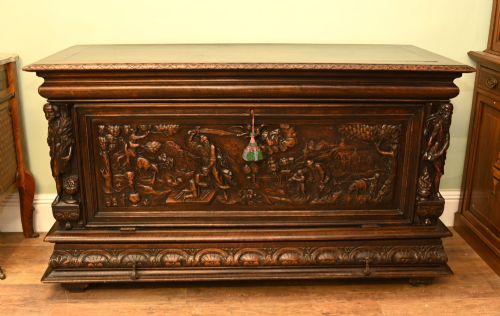
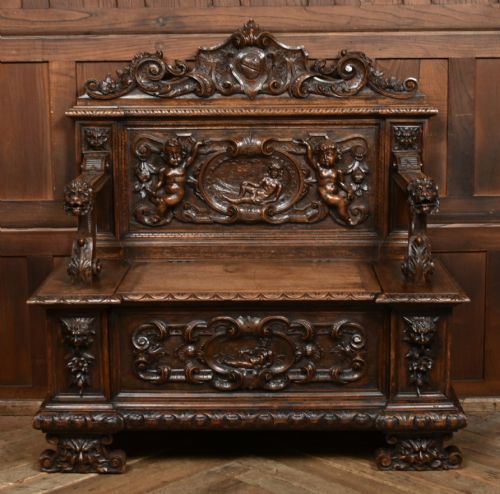
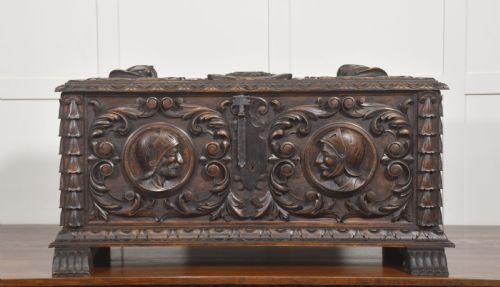
Buyers frequently encounter substantial coffers and cassones dating from the seventeenth and nineteenth centuries, often adorned with figural medallions, elaborate carvings, and gilt details. These pieces function historically as strong storage receptacles and benches, such as the cassapanca.
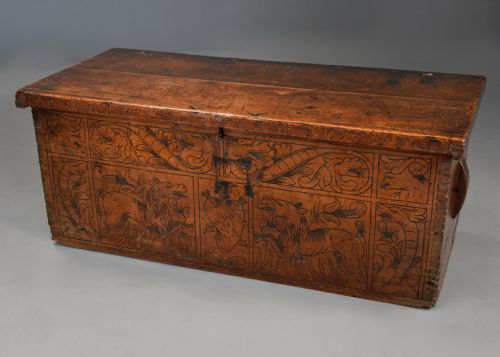
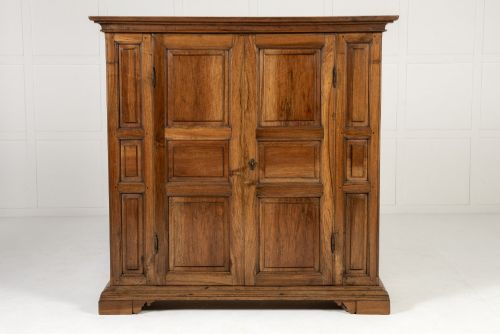
The selection also includes serpentine commodes, apothecary cabinets, and marquetry chests from periods spanning the seventeenth century to the early twentieth century. Each type reflects distinct regional tastes in Italian woodworking and decorative arts.
How They Were Made
Carpenters constructed these pieces primarily using dense timbers like walnut, cypress, and cedarwood, sometimes incorporating olive-wood and fruit-wood veneers. Surfaces were frequently embellished with hand-carved motifs, giltwood accents, and detailed marquetry patterns.
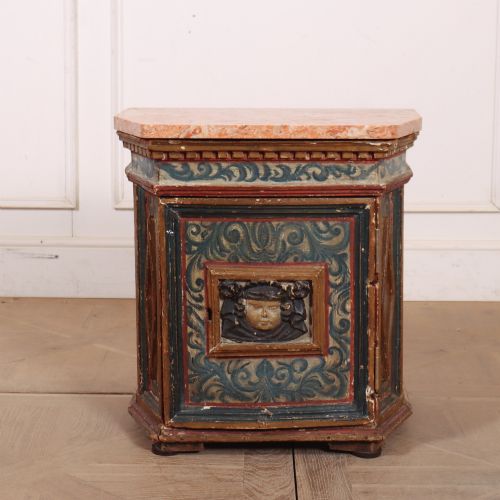
Painters applied original finishes, polychrome, and decorative schemes directly to wood or gesso surfaces, particularly on marriage chests and apothecary cabinets. Iron and brass hardware provided structural reinforcement and functional locking mechanisms for heavy lids and drawers.
Periods represented span from the 17th century through the 18th and 19th centuries up to 1920, covering Renaissance to Rococo styles.
What Varies in Quality
Depth and crispness of the carving distinguish finer examples, particularly where figural medallions and Renaissance motifs decorate the primary panels. The preservation of original painted surfaces, patination, and gilding elevates the standing of cassones and commodes.
Structural integrity depends on the retention of original timber, such as cypress or cedarwood, and the minimal substitution of secondary woods. Cohesion between the cabinetwork, original hardware, and period decorative elements dictates overall authenticity.
The Italian Carved Chest Glossary
- Cassone
- A traditional Italian chest or coffer, often commissioned for marriage to hold a bride's trousseau. These large storage pieces frequently feature elaborate carvings or painted decoration.
- Cassapanca
- A wooden bench with a built-in chest beneath the seat, combining seating and storage. This dual-purpose form often includes a high back and armrests.
- Commode
- A low chest of drawers, typically introduced in later periods such as the eighteenth and nineteenth centuries. They often display serpentine outlines and decorative marquetry.
- Marquetry
- The art of applying pieces of veneer to a structure to form decorative patterns and pictures. Makers utilised various woods to create intricate surface designs.
- Giltwood
- Wood that has been treated with a thin layer of gold leaf or powder. This technique highlights carved architectural and decorative details on surfaces.
Italian Carved Chest: Frequently Asked Questions
What was an italian carved chest used for originally?
These pieces served primarily as secure storage for textiles, valuables, and household goods in wealthy domestic interiors. Many large marriage chests held the dowry items and personal belongings of a bride.
Certain forms like the cassapanca doubled as seating furniture within grand halls. Their robust construction and locking mechanisms protected important contents.
How do I care for an antique wooden chest?
Keep the piece away from direct heat sources and rapid humidity fluctuations to prevent wood splitting. Maintain the surface using appropriate traditional waxes rather than modern silicone polishes.
Inspect iron and brass mounts periodically to ensure fixings remain stable without over-tightening. Gentle dusting with a soft cloth preserves the historic patination.
How can I tell different periods apart?
Seventeenth-century pieces typically display heavier architectural proportions, deep relief carving, and dark walnut or cypress timbers. Later nineteenth-century revivals often reinterpreted these classical motifs with lighter construction or different secondary woods.
Eighteenth-century examples frequently feature serpentine outlines, commode configurations, and sophisticated marquetry or painted finishes. Examining the joinery and timber types helps clarify the date of manufacture.
Where should I place a large coffer at home?
A substantial coffer works effectively against a living room or hallway wall, providing both surface display space and concealed storage. Their architectural presence anchors a room's decorative scheme.
Ensure adequate floor clearance and walking space around the piece, especially if the lid opens upward. They also function well at the foot of a bed or beneath large artworks.