

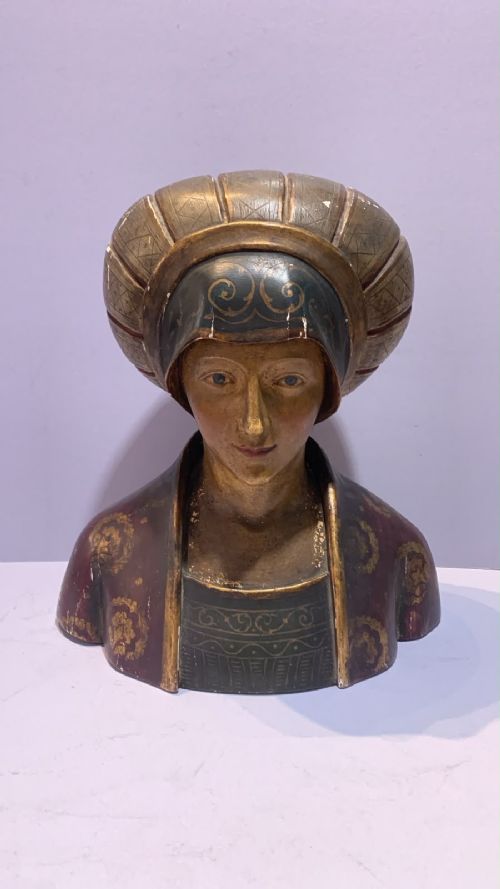
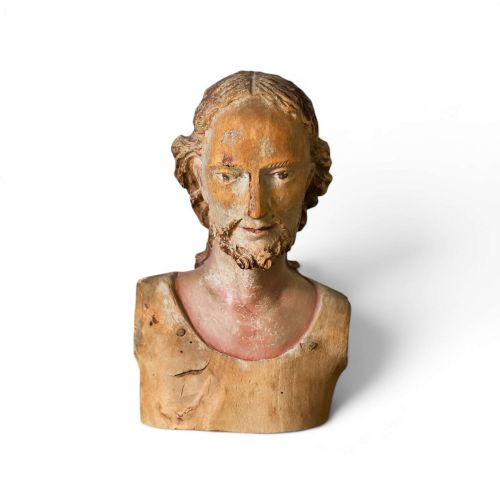
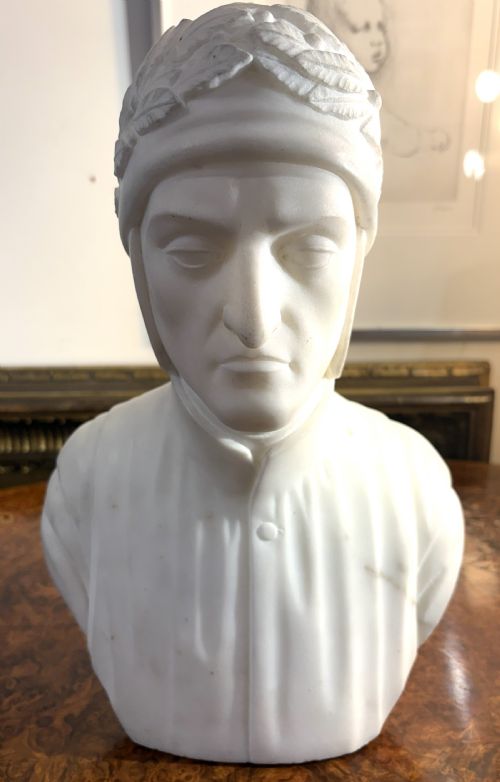


Italian Carved Bust
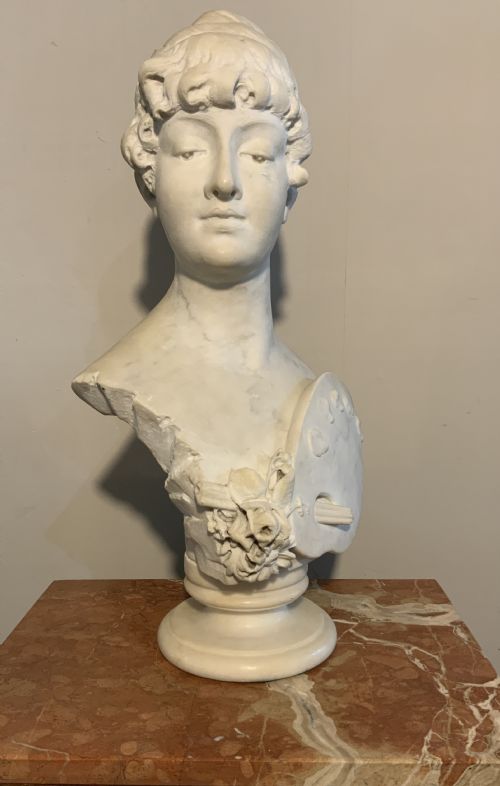
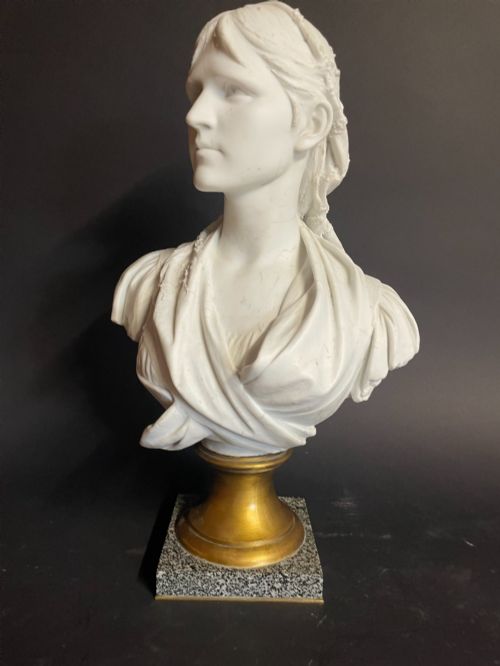
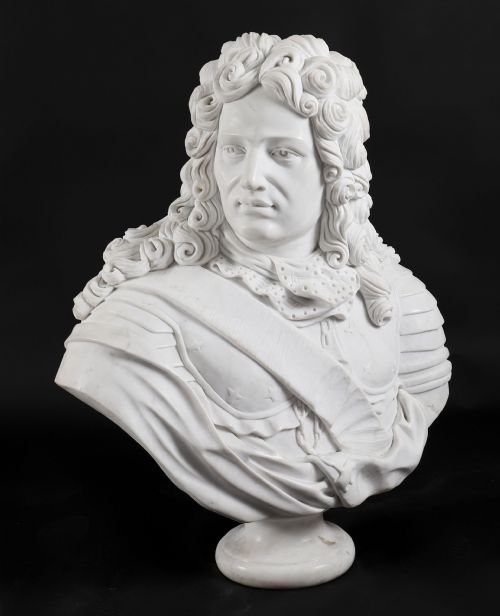
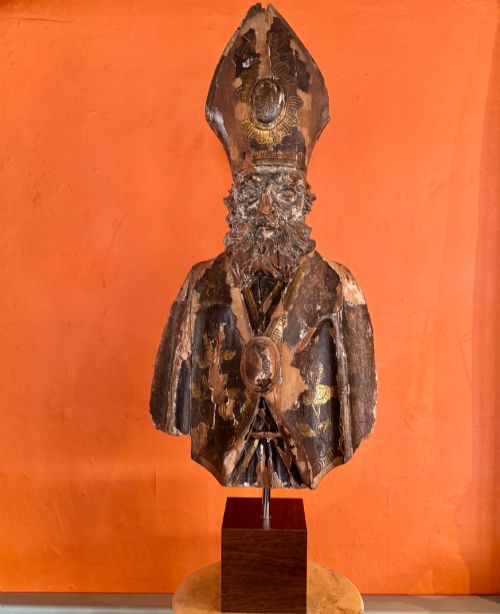
When you search for italian carved bust, you find marble and wood portraits of nobles, saints, and literary figures spanning several centuries.
Italian Carved Bust
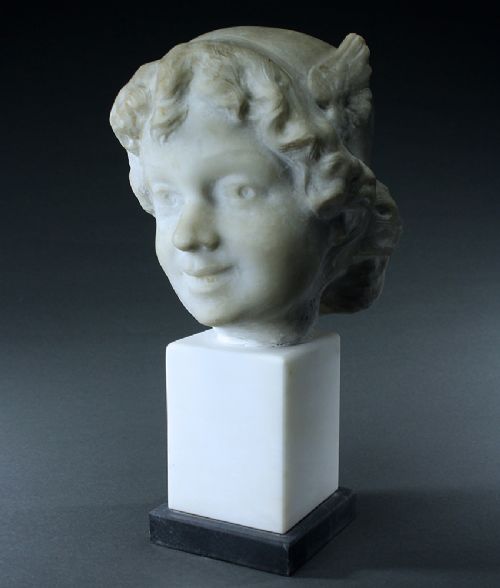
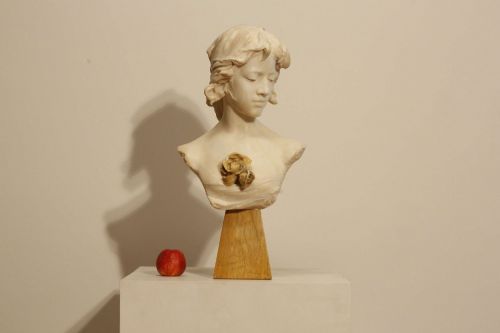
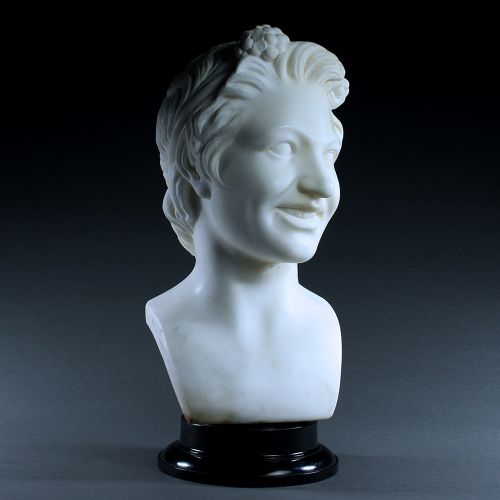
An italian carved bust brings classical subjects and historical likenesses into a room, drawing on centuries of Mediterranean sculpture tradition. The most common examples on this page are nineteenth-century Carrara marble studies of noblewomen, young boys, and classical poets like Dante.
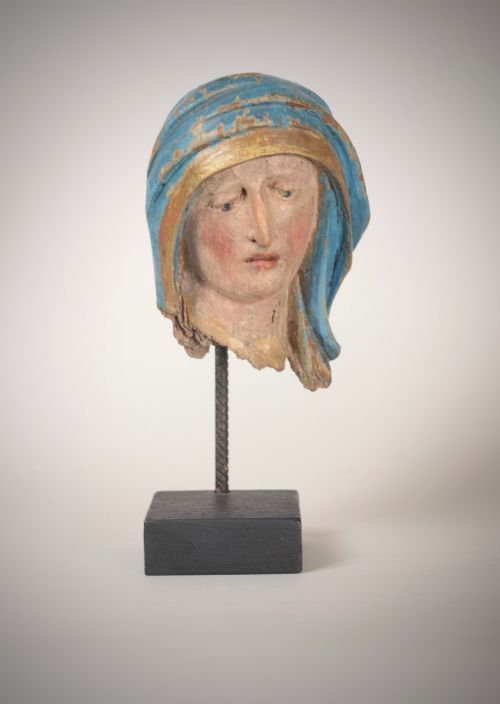
These works range from small Grand Tour souvenirs and wall plaques to life-sized portraits mounted on contrasting marble socles or pedestals. Subjects include mythological figures such as Diana and Juno, alongside ecclesiastical bishops and saints carved in wood.
Makers produced these sculptures across various eras, moving from seventeenth-century religious fragments to twentieth-century library pieces and art nouveau interpretations. The form serves as both a study in human expression and a marker of classical revival taste.
Materials and Methods
Carvers shaped these pieces primarily from white and Carrara marble, alongside softer alabaster for delicate translucent effects. Wood also appears frequently, particularly in eighteenth-century ecclesiastical pieces utilising olive wood and polychrome gesso finishes.
Artisans employed chisels, rasps, and drills to render complex details such as draped garments, braided hair, and armour. Many marble busts are paired with specialised bases made from vert de mer, portoro, or prato verde marble.
Signatures and patination show that workshops combined traditional hand-carving techniques with polished surfaces, sometimes incorporating bronze elements or gold leaf highlights to enhance decorative contrast.
Italian Carved Bust Retail Price Guide 2026
Typical asking prices for italian carved bust among the pieces listed under this phrase on Sellingantiques today, from the lower quarter to the upper quarter. They describe what is for sale here now, not the wider market.
Several eighteenth-century bishops and saints maintain an air of stern authority while quietly keeping watch over modern bookshelves.
Evaluating Quality
The choice of material dictates much of the visual weight, with clean, unblemished statuary marble and richly figured secondary bases commanding higher regard. Finer works often bear the signature of an established sculptor, marking them out from unsigned souvenirs.
R. Mattei·Pugi·Gory·A. Cipriani
The Italian Carved Bust Glossary
- Carrara marble
- A type of white or blue-grey marble from the city of Carrara in Tuscany, prized by sculptors for its fine grain.
- Grand Tour
- A cultural journey of Europe undertaken by wealthy young men in the eighteenth and nineteenth centuries, resulting in the acquisition of souvenir art.
- Polychrome
- Decorated in several colours, frequently applied to wood and gesso sculptures to create lifelike skin tones and garments.
- Scagliola
- A composite substance made from selenite, glue, and pigments, mimicking true marble for decorative architectural elements.
Italian Carved Bust: Frequently Asked Questions
What is a Grand Tour bust?
A Grand Tour bust is a sculptural souvenir purchased by travellers visiting Italy during the eighteenth and nineteenth centuries.
These pieces typically replicated famous classical antiquities or portrayed historical figures to commemorate a traveller's education.
Where should I display a marble bust?
Marble busts require a sturdy surface such as a dedicated pedestal, column, or heavy sideboard to support their substantial weight.
Position them away from direct sunlight and fluctuating heat sources to preserve the stone's integrity.
How can I tell the age of a marble sculpture?
Age is determined by tool marks, the style of the carving, the type of marble, and any signatures or archival labels.
Nineteenth-century Grand Tour pieces often show specific weathering and mounting styles distinct from earlier baroque or later twentieth-century works.