



Italian Caged Glass Pendant
An italian caged glass pendant brings together skilled glassmaking and ornate metalwork to light a room with distinctive mid-century and early twentieth-century character.
Italian Caged Glass Pendant
When you search for an italian caged glass pendant, you are looking at decorative hanging light fixtures originating from Italy during the early decades of the twentieth century, specifically from the 1900s to the 1920s. These pieces combine functional illumination with elaborate ornamental styles such as Florentine, Venetian, and Rococo Revival. Pendant lights and chandeliers form the primary types seen within this group.
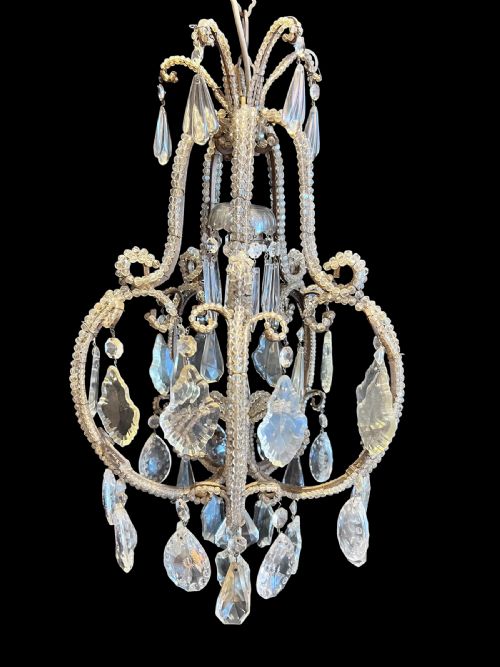
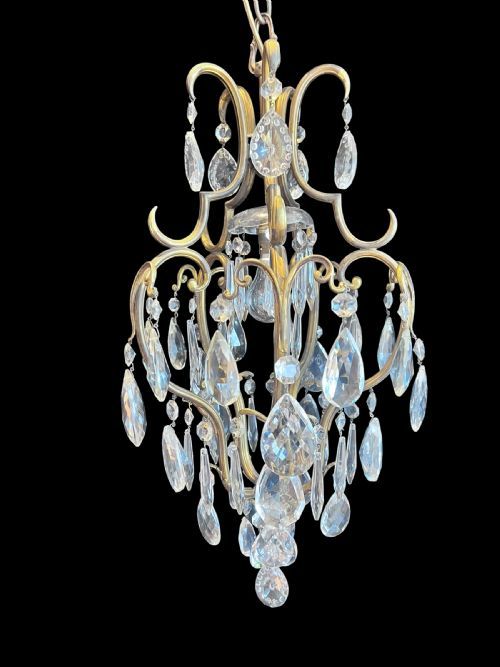
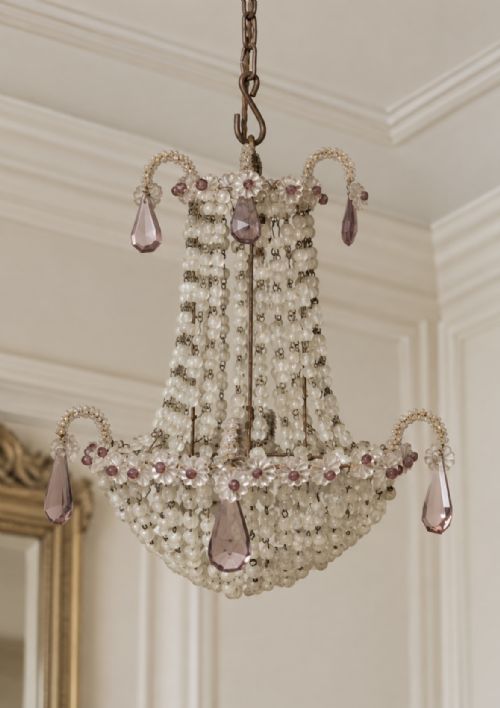
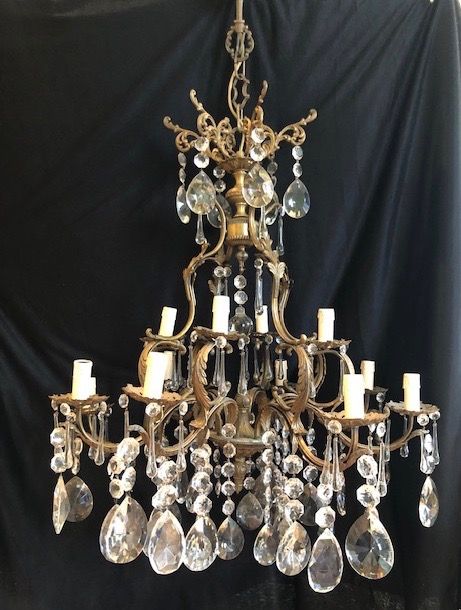
You are most likely to meet single-light pendants featuring purple glass held within a protective or decorative frame, alongside multi-arm chandeliers decorated with crystal and beaded elements. The frames range from dark metal and iron to gilt brass and bronze, enclosing or suspending the glass components. Each piece reflects distinct Italian regional design traditions from the opening decades of the last century.
Materials and construction
The construction of these lights relies on a combination of glass, crystal, and metals such as brass, bronze, iron, and gilt framing. Artisans shaped glass and crystal into components like coloured fruits, beads, and pendant bodies, often utilising Murano purple glass for specific coloured effects. These glass elements are then suspended within or mounted upon metal frameworks.
The metalwork involves guided bronze, gilt framing, and structured brass or iron tiers designed to support multiple lights. Beaded glass and crystal drops are manually hung from the metal structures to catch and refract the light. The integration of glass and metal creates a layered weight and visual texture characteristic of Italian workshops from this period.
Italian Caged Glass Pendant Retail Price Guide 2026
Typical asking prices for italian caged glass pendant among the pieces listed under this phrase on Sellingantiques today, from the lower quarter to the upper quarter. They describe what is for sale here now, not the wider market.
Listings for this phrase feature pieces exclusively dated between 1900 and 1920, utilising glass, crystal, brass, iron, and gilt metal.
Judging quality in these pendants
Quality varies significantly in the complexity of the metal frame and the richness of the glass components. Pieces featuring intricate gilt bronze, multi-tiered iron structures, or hand-formed Murano glass represent a higher standard of craftsmanship than simpler single-light brass fittings. The depth of the gilding and the precision of the metal cage shape distinguish finer examples from standard production.
The treatment of the crystal and glass also dictates the overall standard. Richly coloured fruits, uniform beaded glass arrangements, and clear crystal drops demonstrate superior decorative ambition compared to plain or sparse glass elements. The harmony between the protective metal cage and the enclosed glass body determines the aesthetic success of the fixture.
The Italian Caged Glass Pendant Glossary
- Murano glass
- Glass produced on the Venetian island of Murano, known for distinct coloration and traditional blowing techniques. This material gives specific pendants their rich purple hue.
- Florentine style
- A decorative design tradition originating from Florence, characterised by ornate gilt metalwork, scrolling frames, and rich floral or botanical motifs. It frequently appears on early twentieth-century Italian lighting.
- Gilt metal
- Metal coated with a thin layer of gold leaf or gilt paint to give a bright, reflective surface finish. This technique enhances the decorative impact of the chandelier frames.
- Crystal
- High-clarity glass cut or moulded to refract light effectively. It is commonly hung in drops and beads from the arms and frames of Italian chandeliers.
Italian Caged Glass Pendant: Frequently Asked Questions
What is an italian caged glass pendant?
An italian caged glass pendant is an early twentieth-century hanging light fixture that encloses or suspends decorative glass within a metal framework. These pieces date predominantly from the 1900s to the 1920s and originate from Italian design traditions.
They combine functional domestic illumination with ornamental elements like gilt framing, Murano glass, and crystal drops. Each piece reflects regional styles ranging from Florentine to Venetian.
How were these pendant lights used?
These fixtures were designed to hang from ceilings in domestic interiors to provide ambient or task lighting for principal rooms. Their decorative metal cages and glass components served as visual centrepieces even when unlit.
Multi-arm versions and large chandeliers were typically suspended in reception rooms, hallways, or dining spaces. Single-light pendants provided focused illumination in more intimate settings.
How do I live with antique glass lighting?
Living with antique glass lighting involves balancing period character with modern electrical standards and careful placement. These fixtures work well in spaces where their decorative metalwork and coloured glass can act as focal points.
Regular, gentle dusting helps maintain the clarity of the glass and the condition of the gilt or bronze frames. Professional installation is recommended to support the weight of multi-tiered or metal-framed fixtures safely.
How can I tell the period of these lights?
The period of these lights is indicated by stylistic markers and material combinations associated with the early twentieth century. Pieces from the 1900s to the 1920s often feature specific combinations of gilt metal, iron, and coloured glass.
Comparing the complexity of the frame design, such as two-tier structures or Florentine scrolling, helps distinguish them from later reproductions. The manufacturing techniques visible in the glass and metal components also point to early Italian workshop practices.