




Italian Architectural Art
Italian architectural art captures classical ruins, urban vistas and grand monuments through centuries of paintings, watercolours and engravings.
Italian Architectural Art
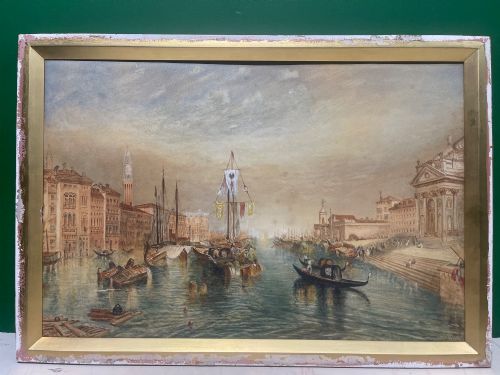
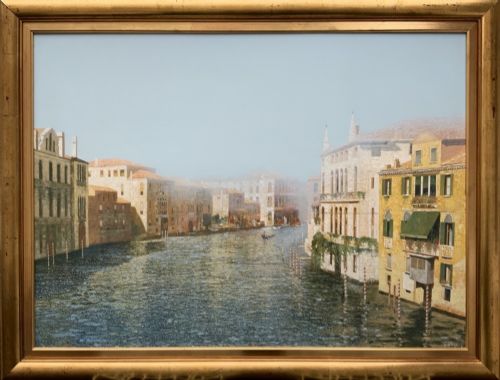
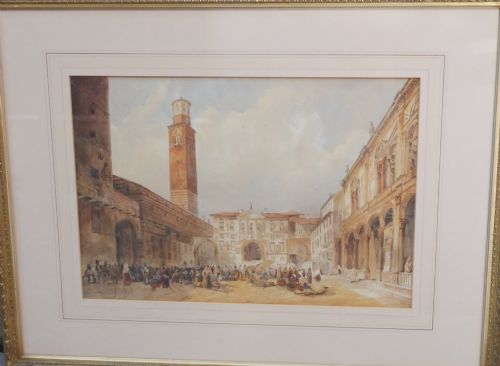
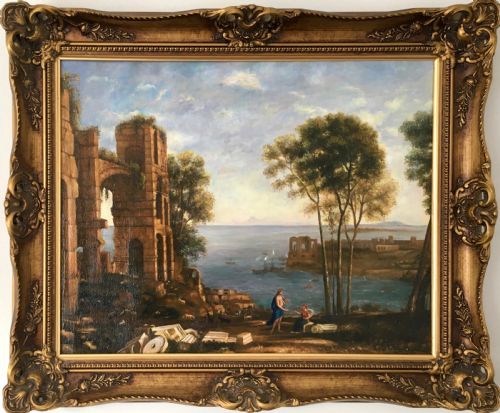
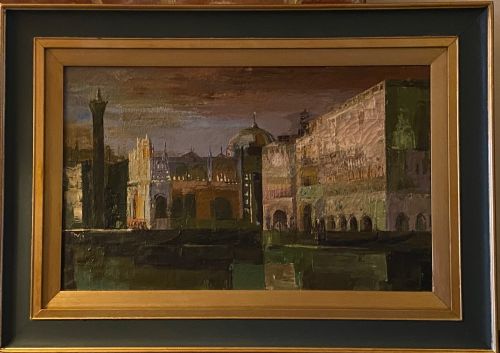
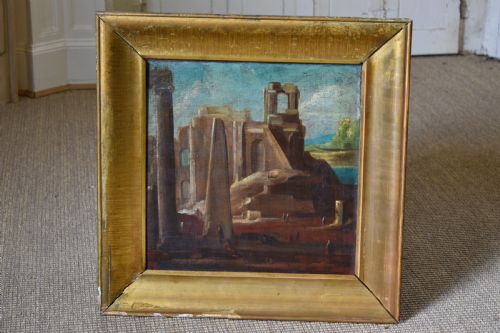
Italian architectural art comprises paintings, watercolours, and coloured prints depicting classical ruins, Venetian canals, and historic buildings. The selection spans the eighteenth and nineteenth centuries into the mid-twentieth century, featuring Grand Tour watercolours and oil paintings of Rome and Venice.
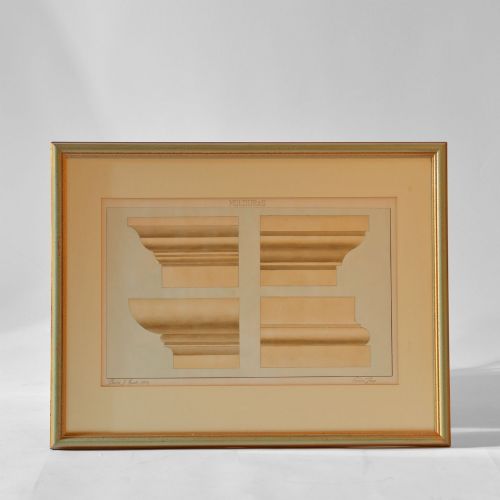
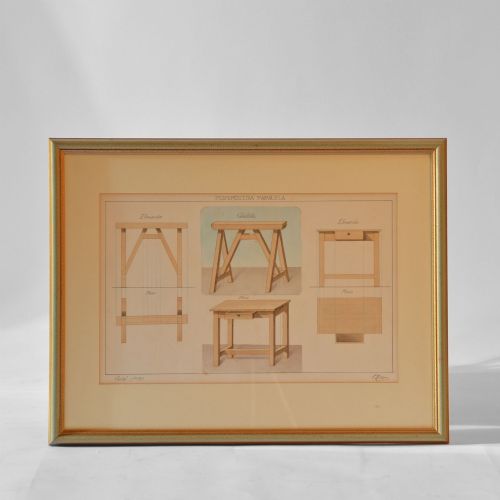
Buyers encounter works ranging from intimate gouache landscapes and architectural drawings to large oil paintings of the Grand Canal and copper engravings after Raphael and Piranesi. These pieces document Italian landmarks, squares, and monuments through various historical viewpoints.
Materials and techniques
Artists recorded Italian subjects using watercolour, gouache, and oil on canvas, supplemented by ink and copper engravings printed on paper. Many works incorporate delicate washes of colour over detailed ink outlines to capture stone surfaces and classical proportions.
Framed panels utilise traditional mediums alongside stone inlay techniques such as pietra dura, while printed works employ fine engraving plates finished with colour.
Italian Architectural Art Retail Price Guide 2026
Typical asking prices for italian architectural art among the pieces listed under this phrase on Sellingantiques today, from the lower quarter to the upper quarter. They describe what is for sale here now, not the wider market.
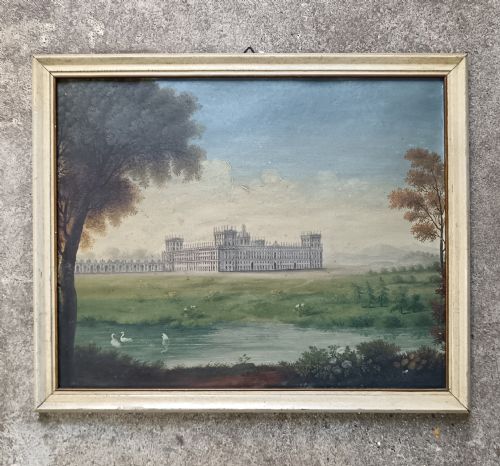
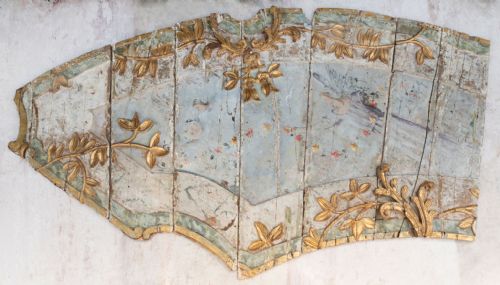
Swans glide across nineteenth-century lake waters while nineteenth-century tourists squint past the same Roman columns we inspect today.
Distinctions in quality
Quality rests upon the precision of the draughtsmanship in rendering perspective and classical detail, particularly in depictions of columns, arches, and façades. Works by documented artists and circles demonstrate superior control of light and architectural scale compared to unsigned topographical records.
The finesse of the brushwork or engraving line dictates the visual impact, separating rapid souvenir sketches from meticulously composed capriccios and topographical scenes.
Francesco Guardi·Giovanni Paolo Panini·Claude Lorrain·Vittore Zanetti Zilla·Hercules Brabazon Brabazon·Alfred Pollentine·Alessandro Mocchetti
The Italian Architectural Art Glossary
- Capriccio
- A painted or engraved architectural fantasy combining real ruins, buildings and monuments in a fictitious topographical setting. These compositions reflect eighteenth and nineteenth century tastes for imaginative classical scenes.
- Grand Tour
- A traditional extended journey through Europe undertaken by upper-class young men in the eighteenth and nineteenth centuries to study the arts and classical antiquity. Paintings and watercolours served as principal souvenirs of this travel.
- Pietra dura
- An artistic technique using cut and fitted polished coloured stones to create geometric or pictorial designs on panels. Italian examples often feature architectural motifs and decorative stonework.
- Gouache
- An opaque watercolour medium characterised by the use of pigment bound in water-soluble gum mixed with white filler. Artists utilised gouache for high-opacity highlights on nineteenth-century landscape and architectural views.
Italian Architectural Art: Frequently Asked Questions
What subjects appear in these works?
The compositions show Venetian canals, Roman squares, classical ruins, and historic cathedrals. Artists recorded specific landmarks including the Colosseum, the Bridge of Sighs, and the Spanish Steps.
Views range from topographical records of actual streets to imaginative capriccios that rearrange classical architecture into picturesque arrangements.
How were these pieces displayed historically?
Watercolours and engravings were typically mounted behind glass in wooden frames to protect fragile paper surfaces from moisture and light damage. Oil paintings on canvas or panel hung in domestic interiors to commemorate foreign travel.
Sets of architectural prints often decorated libraries and drawing rooms in matching frames to display comprehensive series of Italian views.
How do I distinguish eighteenth-century prints from later copies?
Eighteenth-century engravings rely on hand-pulled impressions from copper plates, showing plate marks at the edges of the paper and fine linear detail. Hand-colouring on these early sheets uses distinct watercolour pigments applied directly to the printed lines.
Later nineteenth-century and Edwardian reproductions often utilise different printing processes and heavier, machine-made papers lacking the distinct plate indentation.
Where were Grand Tour watercolours created?
Travelling artists and local studios in Rome, Venice, and Naples produced watercolours and gouaches directly for foreign visitors. These works captured precise views of ancient monuments and cityscapes as tangible records of the journey.
Artists often worked in specific artistic circles, copying or interpreting famous classical buildings for collectors returning to Britain.