

Italian Column
These Italian antique column pieces bring architectural drama and classic proportions into a room, spanning grand tour marble models to carved walnut pedestals.
Italian Column
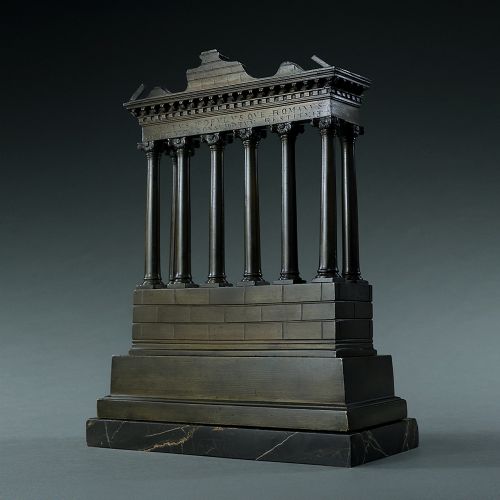
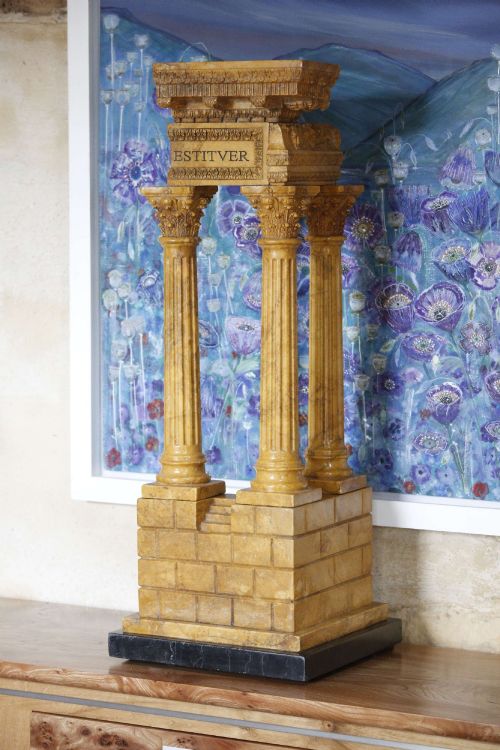
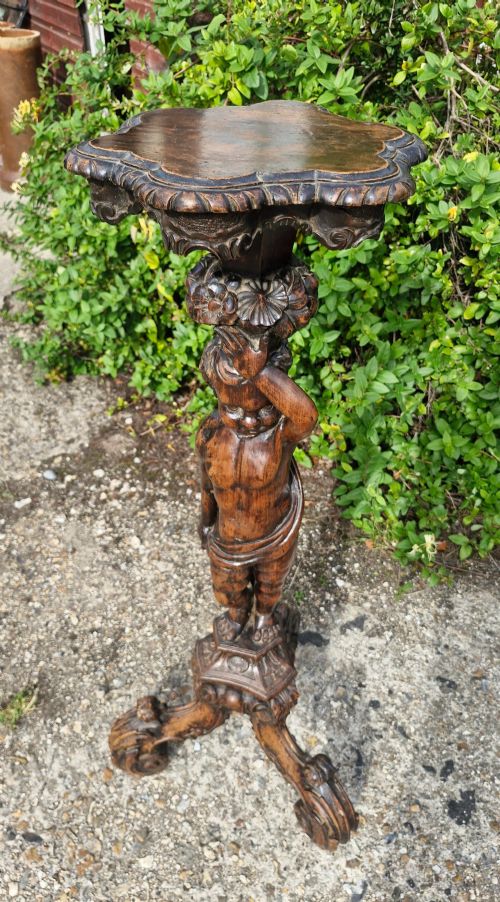
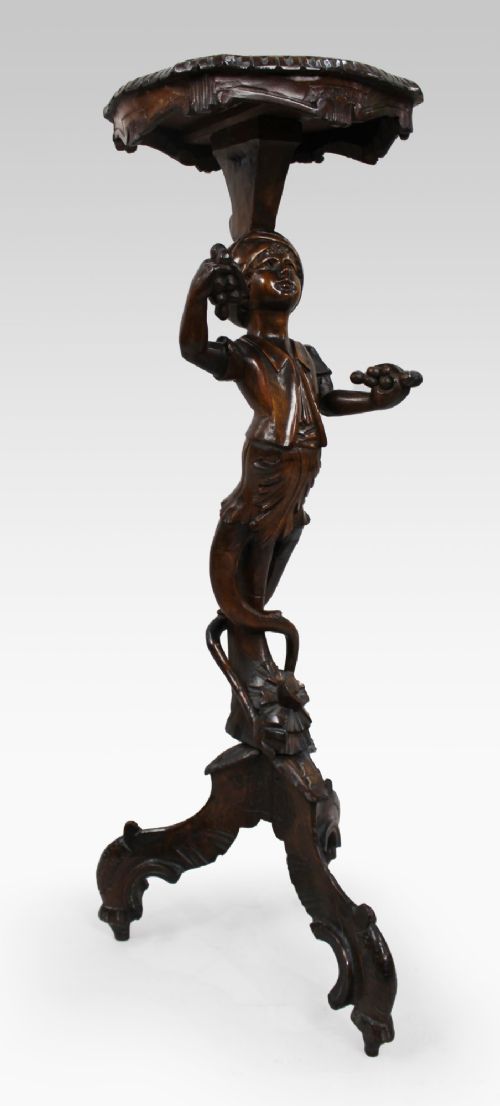
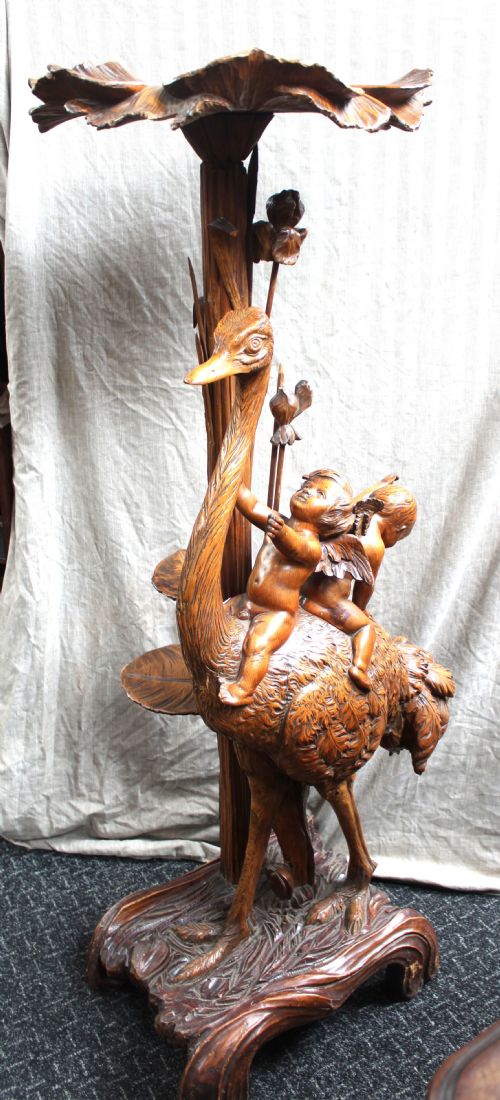
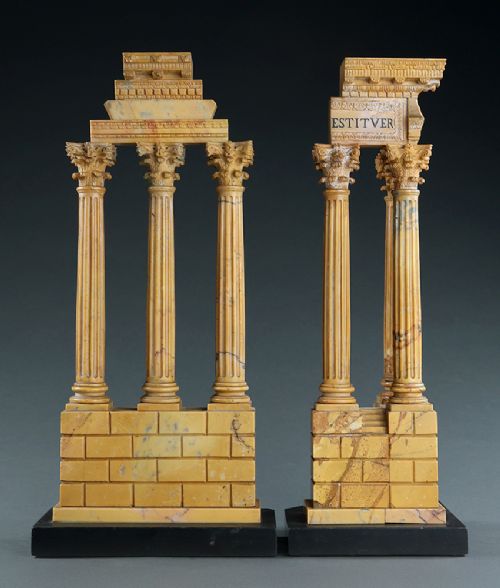
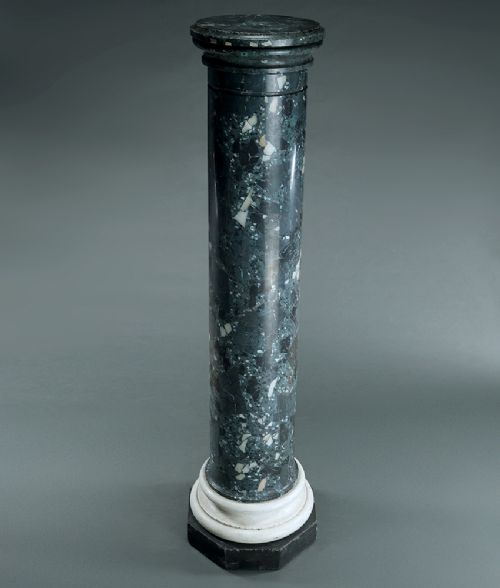
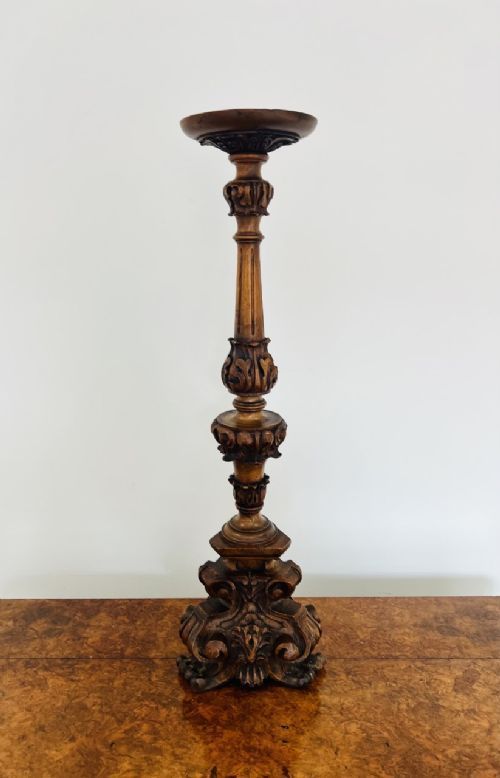
When searching for an italian antique column, buyers encounter items ranging from monumental stone supports and carved wooden pedestals to miniature Grand Tour architectural models in marble. The selection on this page leans heavily toward nineteenth-century walnut stands, variegated marble columns, and carved torchieres designed to elevate sculpture or light a corner.
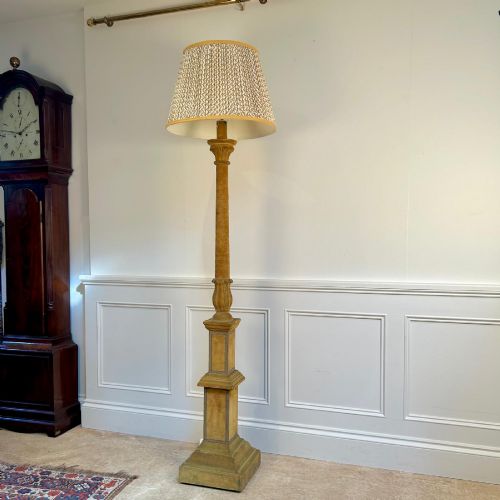
Forms vary from sturdy triform pedestals and tall torchiere bases to architectural fragments and alabaster plant stands. These objects reflect centuries of classical revival styles, including Neoclassical and Baroque interpretations originating from Italian workshops.
How they were made
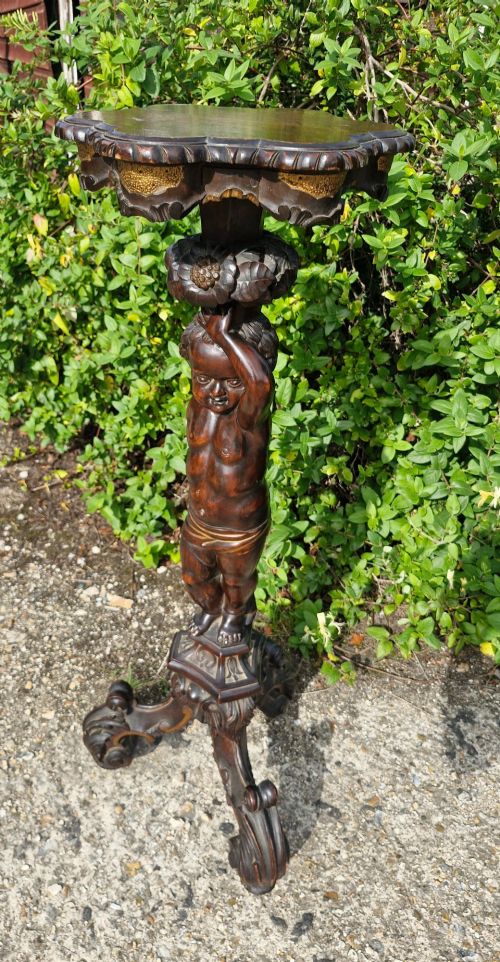
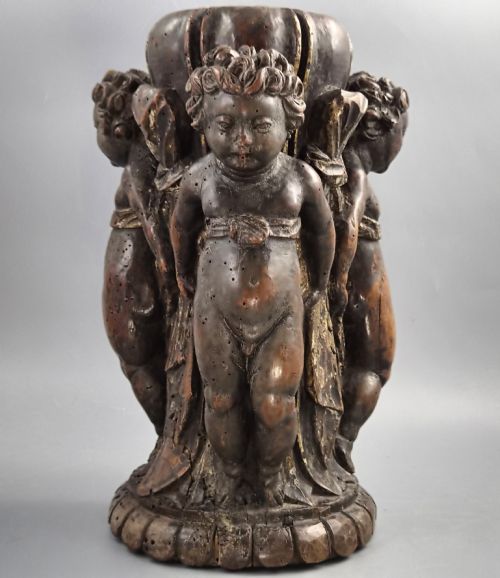
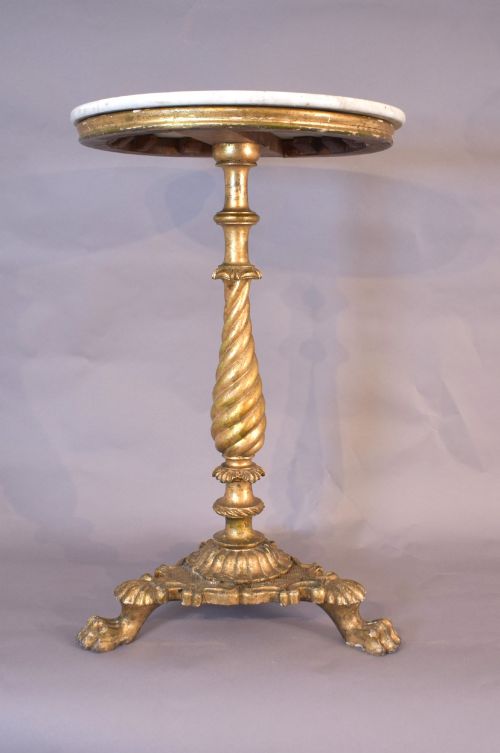
Craftsmen utilised dense hardwoods like walnut and mahogany alongside softer pine, shaping them with hand-carved details such as putti, foliage, and fluting. Giltwood, gesso, and gold leaf were frequently applied to highlight specific architectural elements or entire surfaces.
Italian Column Retail Price Guide 2026
Typical asking prices for italian column among the pieces listed under this phrase on Sellingantiques today, from the lower quarter to the upper quarter. They describe what is for sale here now, not the wider market.
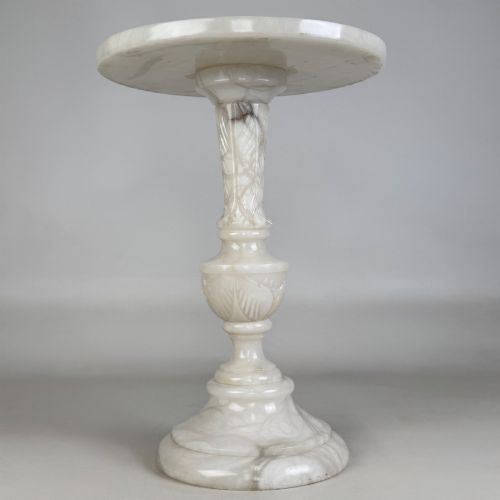
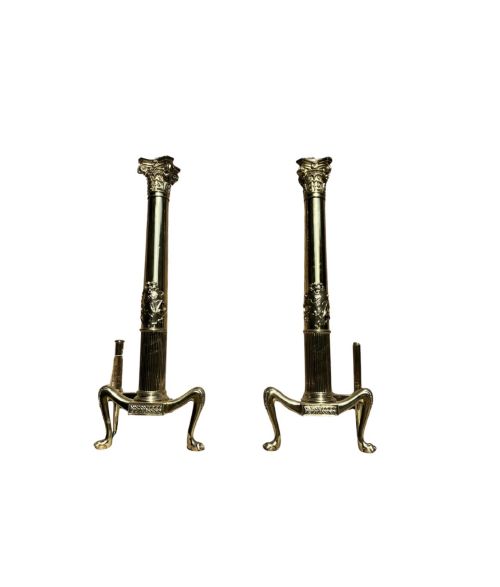
Materials span alabaster, brass, and scagliola, forming objects from large architectural floor stands to tabletop temple models.
What varies in quality
The degree of sculptural refinement separates standard utility stands from exceptional examples, visible in the depth of the woodcarving and the anatomical accuracy of figural elements like putti. Superior pieces display crisp architectural lines and harmonious proportions that maintain balance even at considerable heights.
Material selection and execution drive the distinction between ordinary items and masterworks, particularly in the choice of marbles and the precision of scagliola work. Original surface treatments, such as untouched gilding or aged patinas on walnut, elevate the standing of a piece considerably.
The Italian Column Glossary
- Torchiere
- A tall stand or candlestick designed to support a light source or display an object at height. These pieces often feature carved wooden or gilt shafts.
- Scagliola
- A composite material made from selenite, glue, and pigments, used to imitate inlay and marble. Craftsmen apply this technique to create smooth, multicolored decorative surfaces.
- Grand Tour
- A period of European travel undertaken by upper-class young men to absorb classical art and culture. Travellers frequently returned with miniature architectural models and marble specimens.
- Giallo Antico
- A yellow antique marble prized by classical and revival sculptors. This stone displays rich yellow tones with darker veins.
- Triform
- Having three sides or a triangular base arrangement. This structural form provides stability for tall pedestals and plant stands.
Italian Column: Frequently Asked Questions
What were antique columns used for?
These pieces served primarily as architectural supports or display stands for sculpture, urns, and lighting within grand interiors. In domestic settings, they lifted decorative objects to eye level to showcase fine craftsmanship.
Smaller versions, such as Grand Tour models, functioned as desktop ornaments and educational souvenirs for travellers returning from Italy. Larger columns and torchiere bases anchored room corners, providing vertical interest in high-ceilinged spaces.
How do I identify a Grand Tour column?
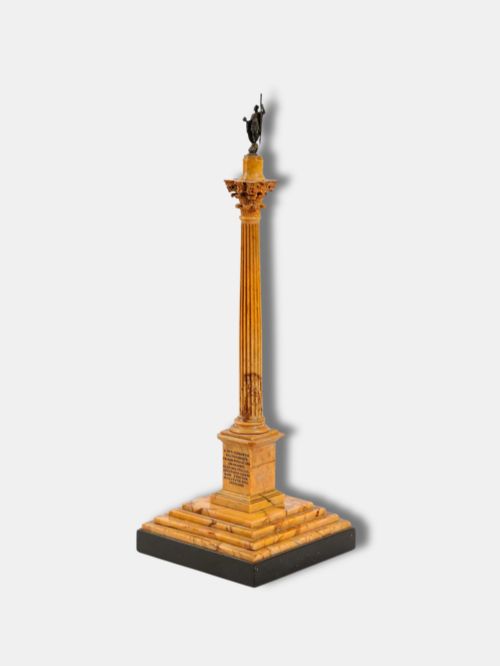
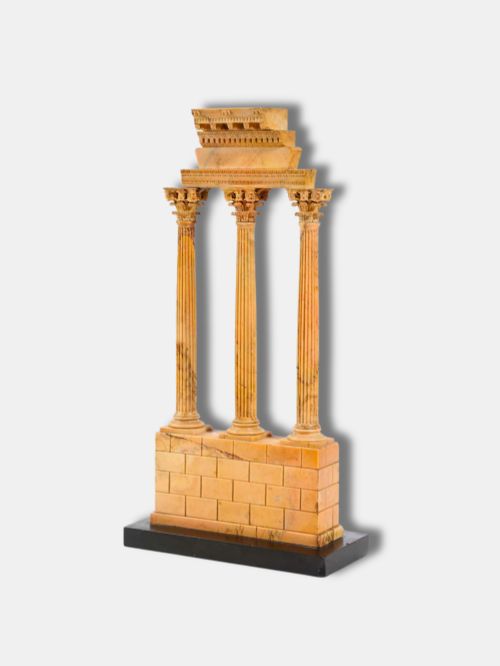
Grand Tour pieces typically date from the nineteenth century and reproduce famous Roman or Greek ruins using genuine regional stones like Siena and Giallo Antico marble. They often represent specific structures such as the Phocas Column or the Temple of Castor and Pollux.
These items are usually compact enough for tabletop display and exhibit precise miniature architectural detailing. Their surfaces showcase the natural veining of decorative marbles gathered across the Italian peninsula.
Where should I place a heavy marble column?
Marble and stone columns require sturdy, level flooring capable of supporting substantial weight without shifting. Placing them against a structural wall or in a low-traffic corner prevents accidental tipping.
Pairing a stone column with a stable base ensures safety when displaying heavy bronze sculptures, vases, or lamps on top. Avoid placing them on thick carpets where the base might wobble.