
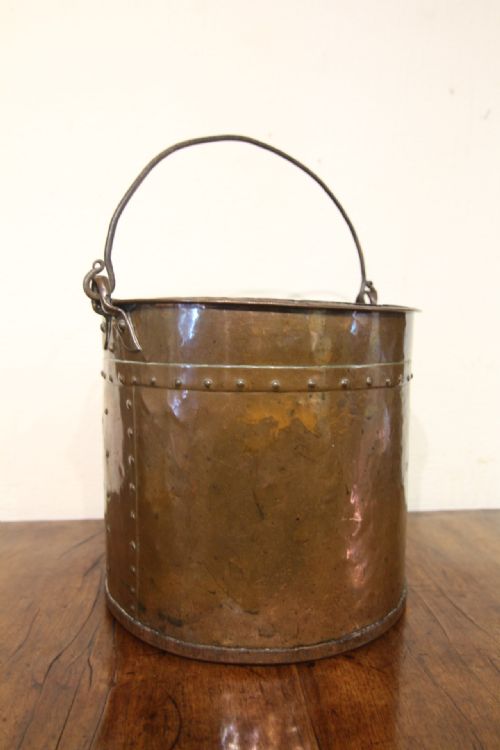


Iron Log Bin
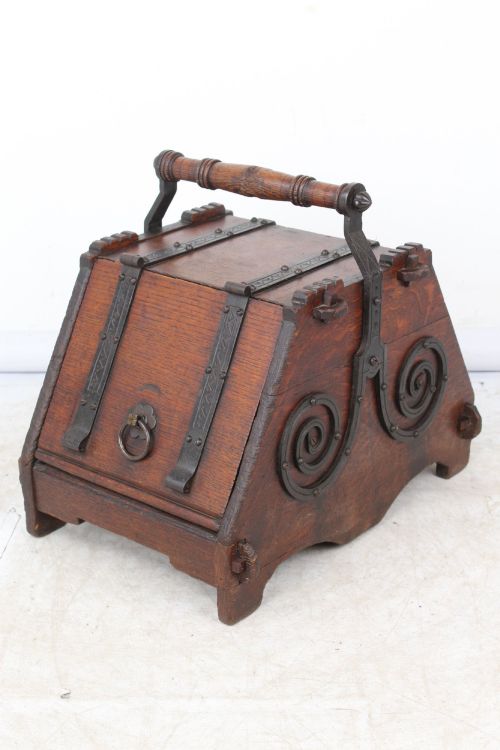
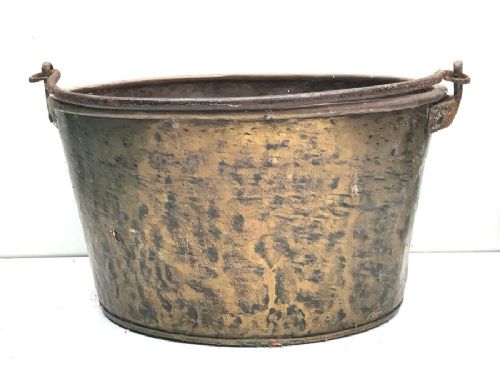
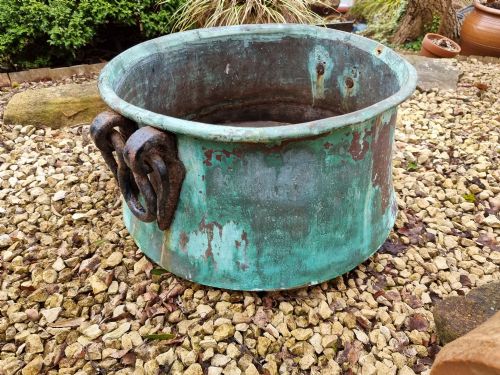
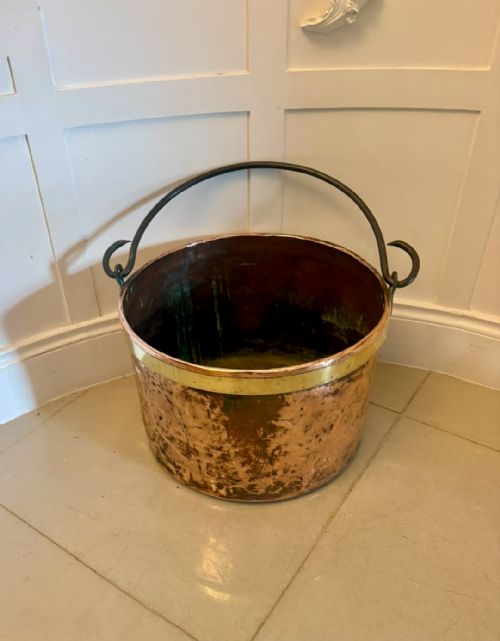
These iron log bin pieces combine heavy metalwork with timber or vessel bodies to hold hearth fuel by the fire.
Iron Log Bin
An iron log bin serves the hearth as a sturdy receptacle for wood, coal, and peat. When you search for an iron log bin, you meet vessels that pair metal frames or handles with copper, brass, oak, pine, and iron bodies.
Most examples date from the Georgian era through the Victorian period and into the early twentieth century. You encounter forms ranging from riveted copper buckets and cauldrons to coopered wooden barrels with iron bands and dedicated blacksmith-made fuel keepers.
Many of these utilitarian items doubled as garden planters, coal scuttles, and industrial measures during their working lives. Their robust construction suits domestic firesides and rustic interiors equally well.
How they were made
Makers built these vessels using combinations of wrought iron, cast iron, copper, brass, oak, and pine. Metal panels were joined with visible rivets, while wooden staves were held tight by heavy iron bands and hoops.
Handles and stands typically show blacksmith work in forged wrought iron or cast metal, secured with sturdy fixings designed to bear the heavy weight of timber and coal.
One unexpected survivor started life as an industrial measure before finding a second career guarding hearth logs.
What varies in quality
The distinction between standard utility items and finer examples lies in the integrity of the materials and the character of the metalwork. Hand-hammered copper bodies and bespoke blacksmith-made iron frames show superior workmanship compared to plain industrial containers.
Proportion and gauge of metal also dictate the character of a piece. Heavier copper gauges, intact swing handles, and original patination separate utilitarian fuel buckets from decorative items.
Christopher Dresser
The Iron Log Bin Glossary
- Wrought iron
- Iron that has been heated and hammered by a blacksmith into shape. This material provides strong handles, bands, and stands for heavy fuel vessels.
- Copper cauldron
- A large, rounded metal vessel with an open top, often fitted with a swing handle. These containers were adapted from domestic and industrial use to hold logs.
- Coopered
- Wood construction made from curved staves bound together by metal hoops. This technique is typical of barrels and stick stands.
- Arts and Crafts
- A design movement favouring honest construction and visible handcrafting. Pieces from this style often feature planished copper surfaces and robust iron framing.
- Coal scuttle
- A container designed specifically to hold and transport coal to the fire. They share many forms with log bins but often include spouts or shovels.
Iron Log Bin: Frequently Asked Questions
What is an iron log bin?
An iron log bin is a hearth accessory made to store firewood beside an open fireplace. They combine metal elements like iron frames or handles with bodies of copper, brass, or wood.
These pieces range from riveted copper buckets to iron-banded wooden barrels and industrial containers repurposed for domestic use.
How were copper and iron log bins used?
Their primary purpose was holding logs, coal, or peat near the hearth for easy access during winter. Many were also used as coal scuttles, cauldrons, or garden planters.
Over time, many utilitarian vessels transitioned from working farm and industrial roles into decorative fireside containers.
How do I date an antique log bin?
Dating relies on materials, construction techniques, and stylistic markers such as Arts and Crafts hand-hammering or Georgian proportions. Riveting styles, handle attachments, and wood ageing also offer clues to the period of manufacture.
Items from the eighteenth and nineteenth centuries often display hand-forged ironwork and heavy-gauge copper construction distinct from later factory-made pieces.
Can I use these bins for logs today?
Most of these durable vessels remain fully functional for holding firewood beside a modern fireplace. Their sturdy iron and copper construction easily supports the weight of logs.
Care should be taken to protect sensitive floors if the base has unsealed drainage holes or historical wear from past moisture.
What styles are common in these bins?
The listings feature styles ranging from Georgian simplicity to Victorian Gothic Revival and Arts and Crafts design. Country house and industrial aesthetics also appear frequently.
Arts and Crafts examples often highlight planished copper surfaces paired with exposed wrought iron framework and rivets.