

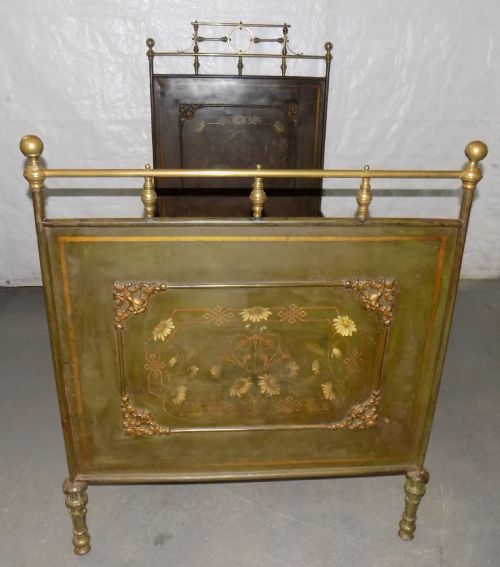


Iron Framed Furniture
Iron framed furniture combines robust metal construction with domestic utility, offering lasting structural strength for interiors and gardens.
Iron Framed Furniture
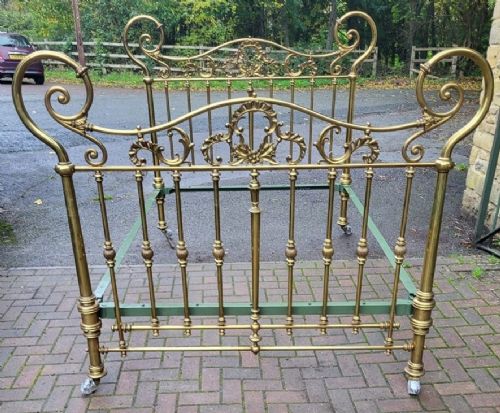
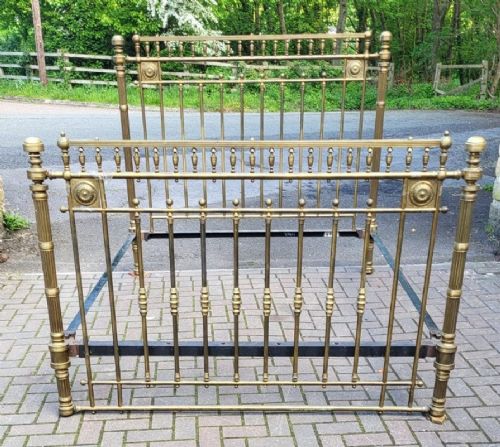
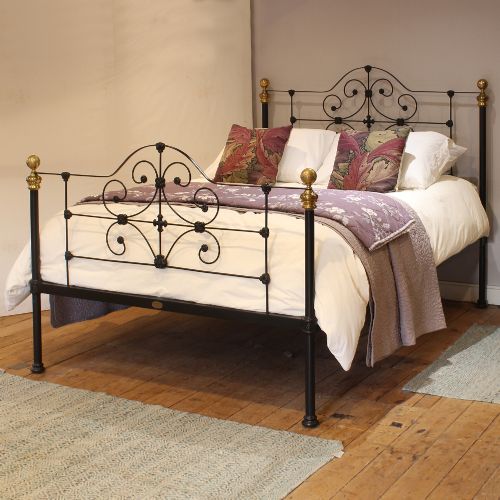
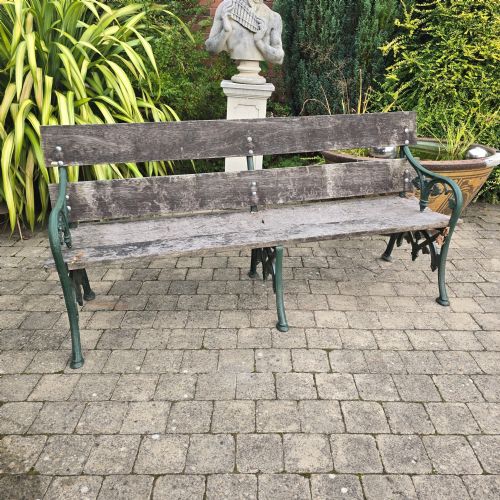
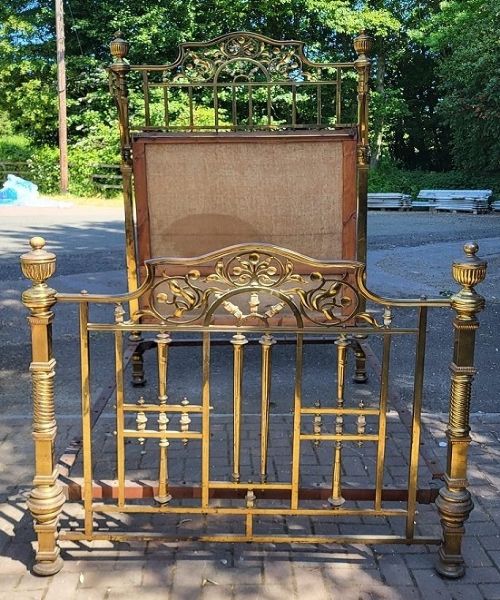
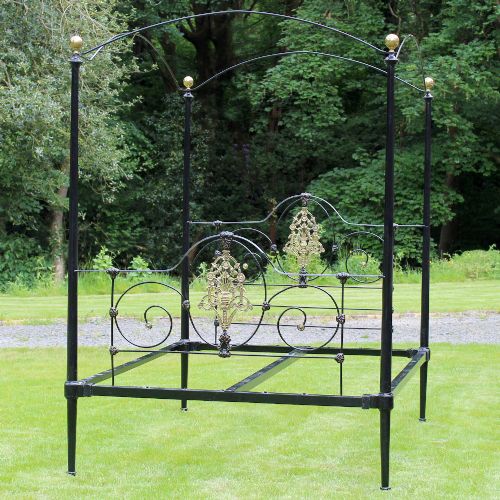
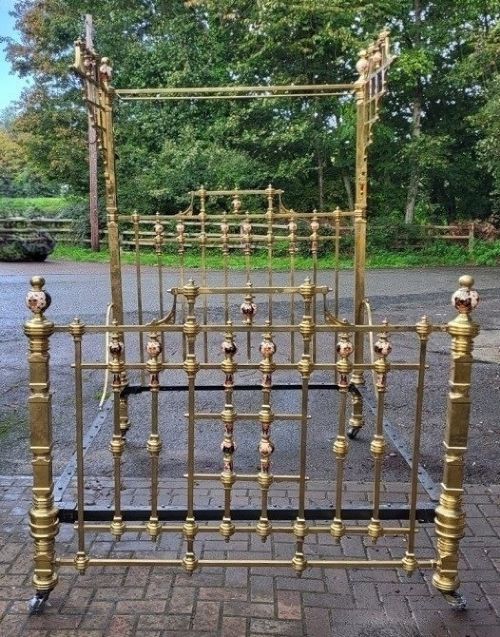
Iron framed furniture encompasses a variety of domestic and outdoor objects from the nineteenth century onwards, primarily featuring metal structural elements combined with timber, ceramic, or brass. When buyers search for iron framed furniture, they encounter pieces ranging from Victorian brass and iron bedsteads to nineteenth century garden benches and console tables.
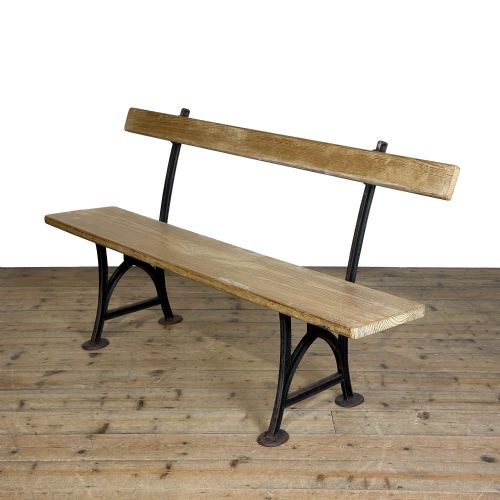
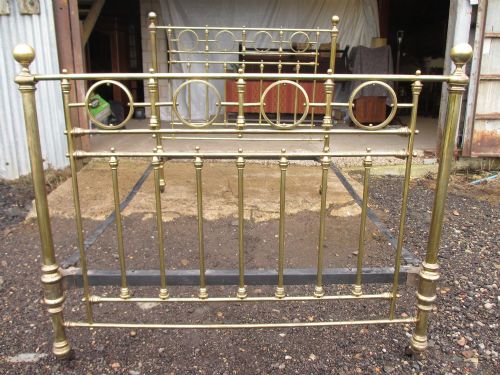
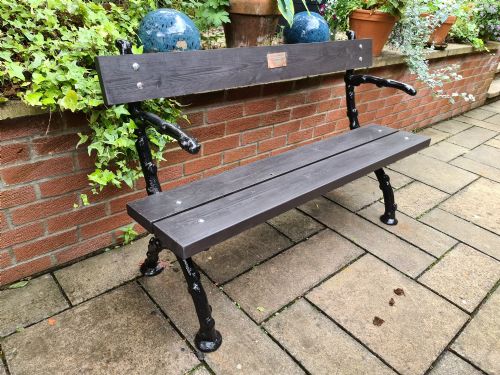
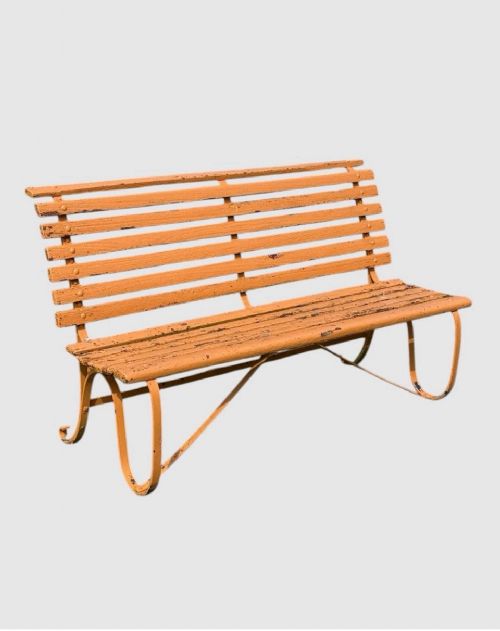
The most common forms on this page are beds, bedframes, and garden benches dating from the Victorian era and the late nineteenth century. These items showcase diverse regional influences, including Austrian, Portuguese, and French country or industrial styles alongside classic British Victorian designs.
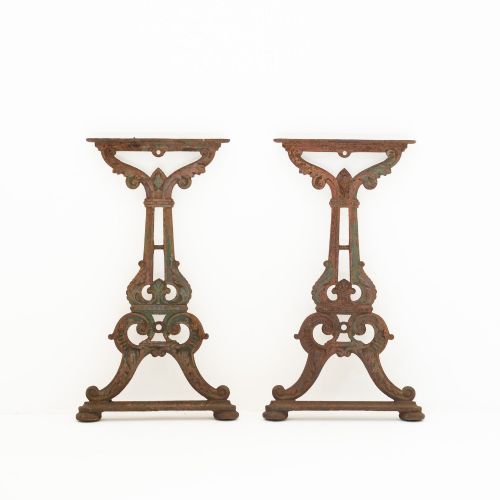
Beyond sleeping and seating quarters, the selection includes functional domestic pieces such as table bases, coffee tables, and console tables with mirrors. Materials frequently pair iron and cast iron with wood, brass, and sheet metal to create sturdy functional items.
Materials and construction methods
Makers utilised cast iron and wrought iron for the foundational structures, often combining them with brass components, timber slats, and ceramic details. Cast iron allowed for intricate ornamentation on garden bench ends and table bases, while wrought iron provided reliable strength for bedframes.
Secondary materials such as pitch pine, maple, and general timber were incorporated into benches and tables, paired with sheet metal and toleware elements. Metal frames frequently utilised slot-in joints and castors to facilitate movement and assembly in domestic settings.
Iron Framed Furniture Retail Price Guide 2026
Typical asking prices for iron framed furniture among the pieces listed under this phrase on Sellingantiques today, from the lower quarter to the upper quarter. They describe what is for sale here now, not the wider market.
Materials documented across the pieces include cast iron, wrought iron, brass, timber, ceramic, and sheet metal.
Distinguishing quality in metal furnishings
Quality reveals itself in the intricacy of the metal casting and the integrity of the combined materials, such as the heft of cast iron bench ends or the refinement of brass and iron bedstead mounts. Pieces bearing attribution to notable makers or featuring exhibition quality finishing demonstrate superior workshop execution.
The sophistication of the stylistic execution, whether in the decorative restraint of an Aesthetic Movement bedstead or the robust detailing of a garden seat, separates standard utility items from finer examples. Preservation of original surfaces, castors, and structural elements indicates careful historical maintenance.
Maple & Co.·Coalbrookdale
The Iron Framed Furniture Glossary
- Bedstead
- The framework of a bed, supporting the mattress and springs without including the bedding itself. In nineteenth-century examples, these frequently combine iron frames with brass or wood components.
- Cast Iron
- Iron shaped by pouring liquid metal into a mould, allowing for complex decorative patterns. This material appears extensively in garden benches and table bases.
- Half Tester
- A bedstead featuring a partial canopy that extends only partway over the head of the bed. These often incorporate elaborate brass and iron framing.
- Toleware
- Lacquered or enamelled metalware, typically sheet metal, used historically for decorative and functional household objects. Austrian bedsteads in the evidence employ this material.
- Aesthetic Movement
- A late nineteenth-century design style emphasising visual beauty over narrative subject matter. Pieces from this movement display refined artistic detailing on metal frames.
Iron Framed Furniture: Frequently Asked Questions
What defines iron framed furniture?
This category includes items built around metal skeletons, predominantly featuring cast iron, wrought iron, or brass combined with timber and other materials. The pieces span domestic sleeping furniture, garden seating, and occasional tables.
Most examples date from the Victorian period and the late nineteenth century, reflecting industrial manufacturing techniques applied to everyday household goods.
How do I care for antique metal furniture?
Maintenance involves keeping metal surfaces clean and dry to prevent corrosion while preserving any original painted or patinated finishes. Regular dusting and gentle cleaning suitable for brass or iron help maintain the condition.
For pieces combining iron with wood or ceramic, standard gentle care for those secondary materials ensures the overall structure remains stable.
Were these pieces used indoors or outdoors?
Usage depends entirely on the specific object type, with garden benches and patio seats designed specifically for outdoor environments. Items like bedsteads, console tables, and coffee table bases served entirely interior domestic spaces.
Industrial and rustic styles often bridged the gap between functional utility and decorative presentation within nineteenth-century homes.
How can I identify a Victorian iron bedstead?
Victorian bedsteads typically feature specific construction traits such as slot-in iron frames, brass mounts, and original castors for mobility. Dating is often indicated by the combination of cast iron structural supports with decorative brass detailing.
Maker attributions or exhibition marks occasionally appear on higher quality examples from this era.