


Iron Cafe Table
An iron cafe table brings enduring Parisian charm and heavy stability to a terrace or breakfast room.
Iron Cafe Table
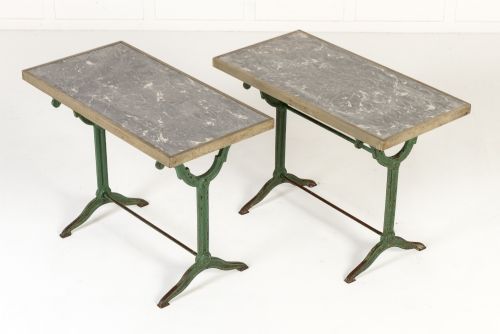
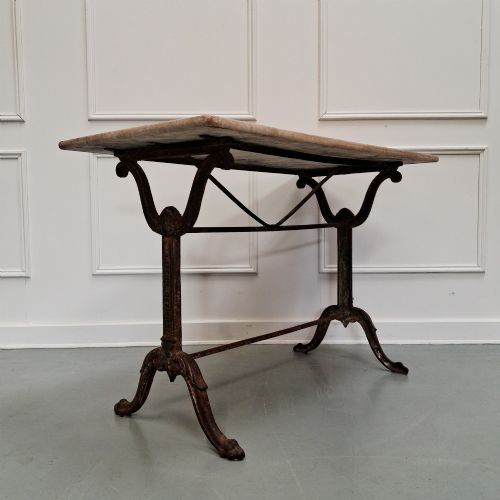
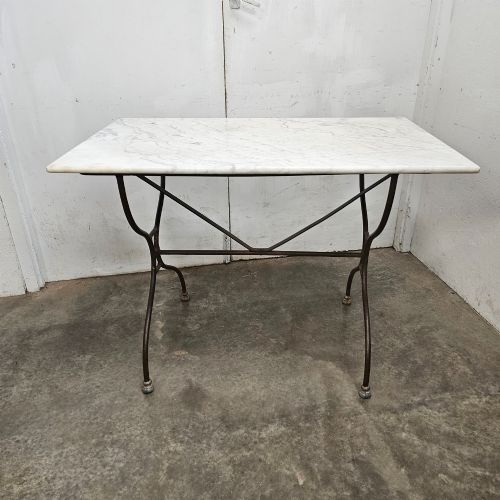
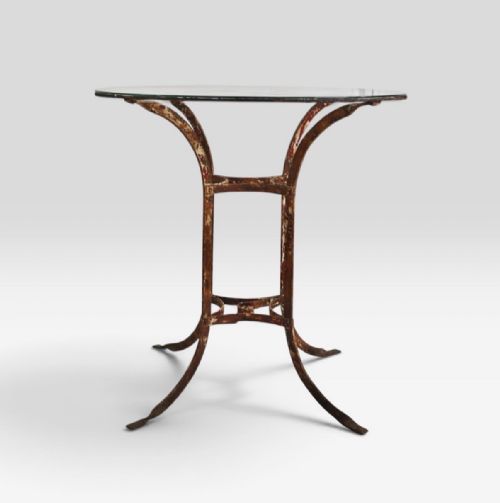
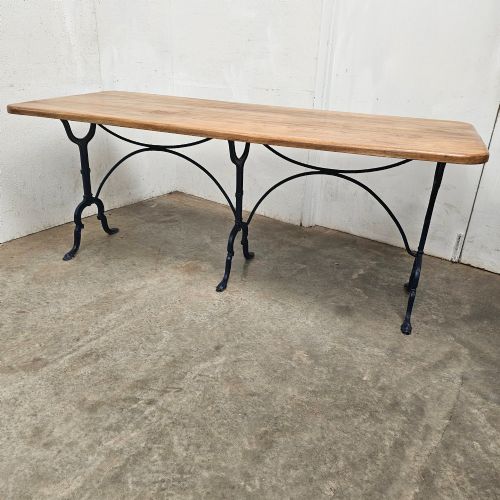
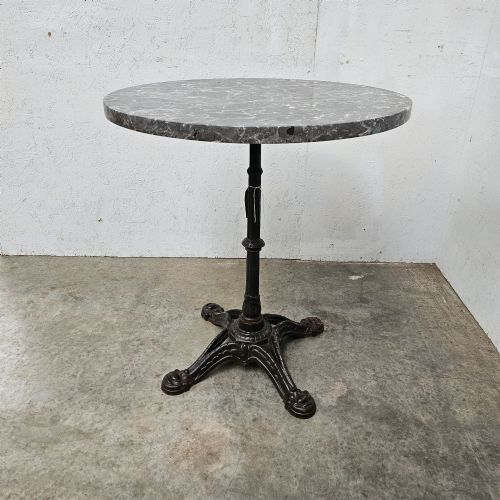
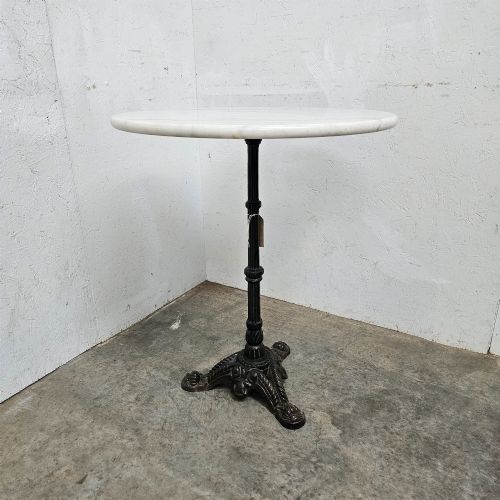
An iron cafe table combines a durable metal base with a stone or timber top, designed originally for commercial hospitality and domestic terraces. These pieces span the nineteenth century through the interwar decades, drawing heavily on French bistro and industrial traditions.
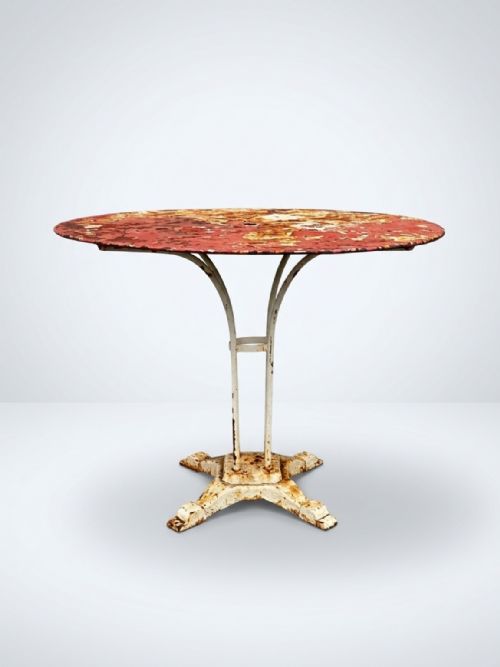
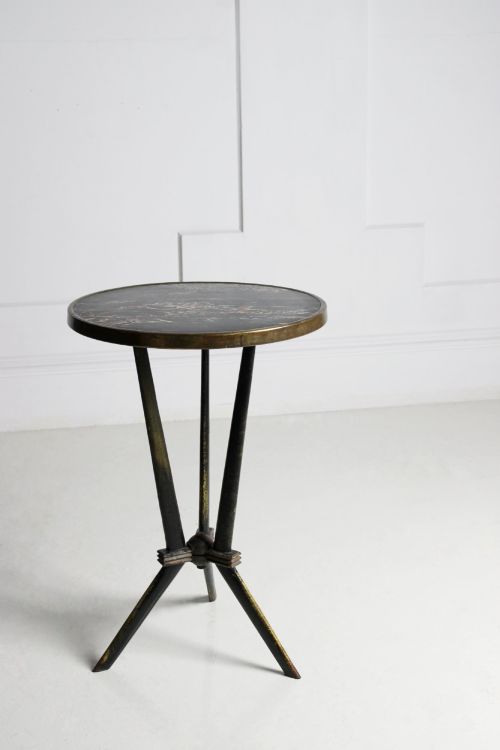
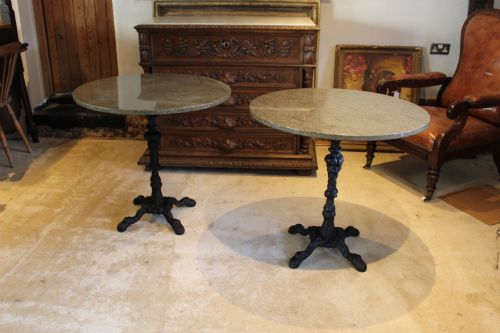
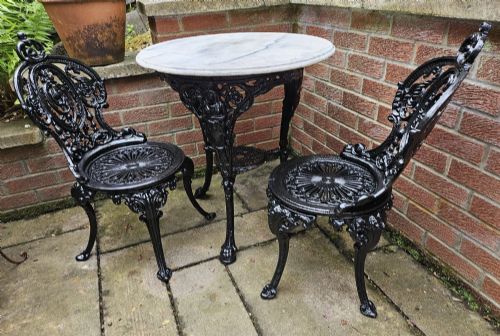
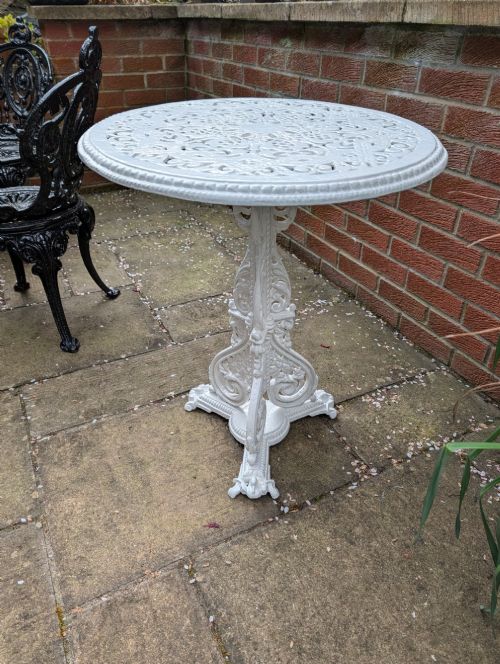
You will most frequently encounter round pedestal designs featuring cast iron supports paired with white marble or elm tops. The selection ranges from compact three-legged gueridons to larger garden dining sets built for outdoor use.
Materials and Construction
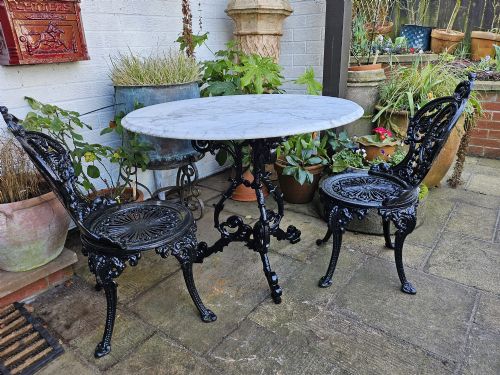
Foundries cast iron and wrought iron into ornate scrolling bases or sturdy pedestal legs, sometimes combining brass or copper components for decorative contrast. These heavy foundations provide the necessary weight to anchor outdoor seating arrangements.
Tops are fashioned from solid marble, granite, mosaic, or seasoned hardwoods such as oak, elm, and mahogany. Carpenters and stonemasons fitted these surfaces to withstand daily trade use and changing weather conditions.
Several tables retain traces of old green and white garden paint, whispering tales of rainy Parisian afternoons and morning coffees.
Evaluating Quality and Origin
Quality rests in the crispness of the iron casting and the integrity of the fitted top. Finer examples display detailed moulding on the pedestal base and thick slabs of matching marble or unwarped hardwood secured firmly to the frame.
The distinction between standard utility items and finer pieces lies in the proportion and decorative ambition of the ironwork. Pieces carrying attribution to specific designers or notable periods command greater attention from collectors.
Christopher Dresser
The Iron Cafe Table Glossary
- Guéridon
- A small occasional table, typically supported by a single central pillar and resting on a tripod base. This French form provides compact surface space for drinks or plants.
- Cast iron
- Molten iron poured into a mould to create complex shapes and heavy structural bases. It forms the backbone of traditional outdoor furniture.
- Wrought iron
- Iron heated and hammered into shape by a blacksmith rather than poured into a mould. This material allows for fibrous strength and distinctive forged details.
- Bistro set
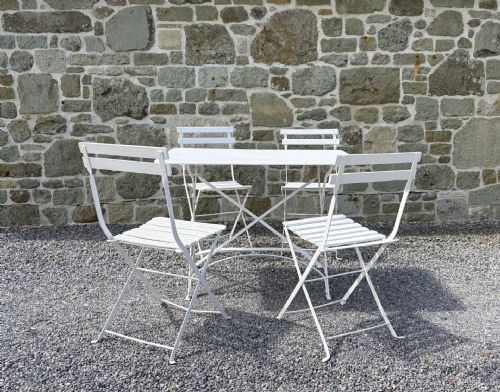
- A matching configuration of a small table and coordinating chairs intended for tight spaces. They populate pavement cafes across France.
- Arras table
- A specific style of slatted iron garden furniture originating from the French town of Arras. These pieces are prized for their distinctive riveted construction.
Iron Cafe Table: Frequently Asked Questions
Can I leave my iron cafe table outside year-round?
Cast iron and stone withstand the elements well, but prolonged moisture can cause painted surfaces to flake and iron to oxidise.
Protect your table during harsh winter months or store it under cover to preserve the original paintwork and timber tops.
How do I clean a marble top without damaging it?
Marble is porous and sensitive to acids found in wine, lemon juice, and harsh chemical cleaners. Use warm water and a mild, neutral soap with a soft cloth.
Dry the surface immediately after wiping to prevent water spots and maintain the natural polish of the stone.
How do I date an antique iron table?
Examine the casting seams, bolt types, and the wear patterns on both the metal base and the tabletop. Nineteenth-century examples often feature hand-finished casting details and heavy timber or thick marble.
Later twentieth-century versions show simpler industrial manufacturing techniques and different joining hardware.
Are these tables heavy to move?
The combination of solid cast iron bases and stone tops makes these tables remarkably heavy and stable. This weight prevents them from tipping easily in windy garden conditions.
Enlist a second person when relocating larger marble-topped variants to avoid damaging the stone or the floor.