



Iridescent Opal Jewellery
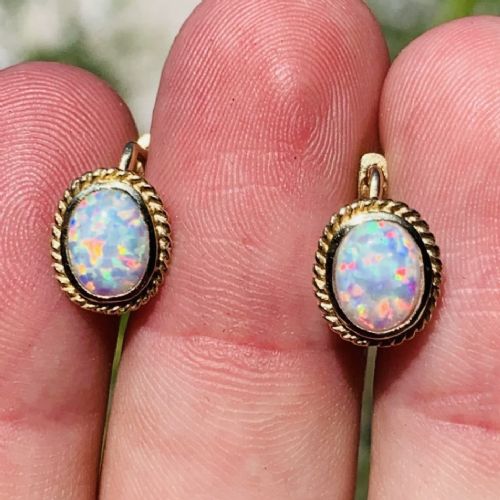
Iridescent opal jewellery combines shimmering play of colour with precious metals, offering a vibrant focal point that catches the eye.
Iridescent Opal Jewellery
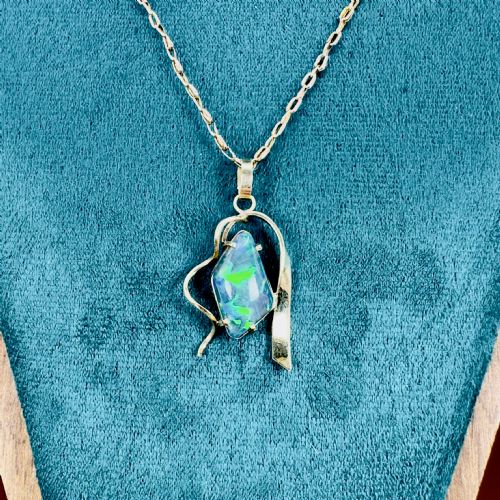
The most common items you will meet on this page are rings and pendant necklaces set in yellow gold, white gold, or silver. Stones range from Australian white, milk, and black opals to opal doublets, frequently accented with diamonds or pearls.
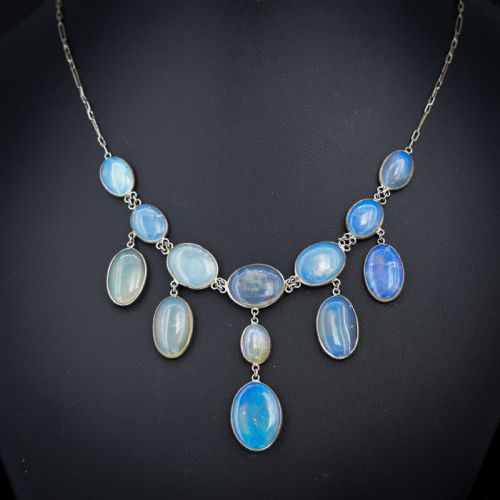
The styles shift from traditional classic and claw set solitaire rings to intricate fringe festoon necklaces and Arts and Crafts silver work. Each piece demonstrates how jewellers across different decades utilised the unique optical properties of opals.
How they were made
Makers set opals predominantly in gold, spanning nine carat, fourteen carat, and eighteen carat variations, alongside silver and platinum. Stones are shaped as cabochons to maximise the optical display of the stone.
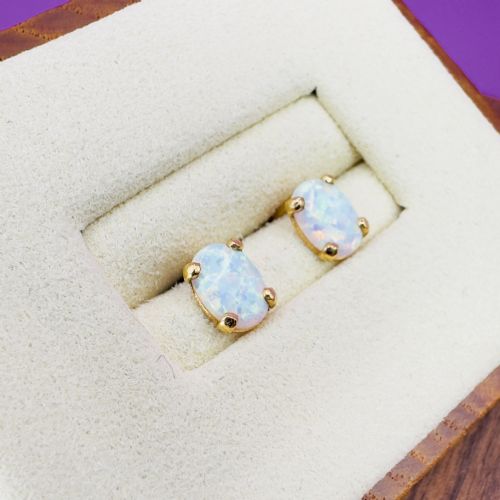
Craftsmen secured the stones using claw settings or incorporated them into cluster designs alongside diamonds and natural saltwater pearls. Metalwork ranges from simple stud earrings to elaborate festoon necklaces.
Materials employed across the pieces include platinum, silver, nine carat, fourteen carat, and eighteen carat gold.
What varies in quality
The intensity and movement of the play of colour across the stone surface define the visual appeal of each piece. Opals with deep, vibrant flashes command attention more readily than stones with muted tones.
The weight and purity of the precious metal mountings, from silver and nine carat gold up to heavy eighteen carat gold and platinum, distinguish simpler items from substantial cluster rings and heavy pendant necklaces.
WH Haseler·Liberty and Co
The Iridescent Opal Jewellery Glossary
- Cabochon
- A gemstone shaped and polished with a smooth convex surface rather than faceted. This cut allows the internal play of colour within an opal to display fully.
- Doublet
- A composite gemstone consisting of a thin slice of opal glued to a darker backing material such as ironstone. This technique enhances the apparent body colour and brilliance of the stone.
- Festoon
- A necklace featuring a curved chain or swag from which drops, pendants, or tassels are suspended. Edwardian examples often pair this style with delicate opal settings.
- Cluster
- An arrangement of smaller gemstones surrounding a larger central stone. In these listings, diamonds frequently encircle a central opal in rings and pendants.
Iridescent Opal Jewellery: Frequently Asked Questions
What is an opal doublet?
An opal doublet is a composite stone made by adhering a thin layer of genuine opal to a dark backing, which deepens the visible colour.
This method provides the visual depth of a solid precious opal while offering a sturdier structure for mounting in jewellery.
How should I care for my opal?
Opals contain water within their structure and require gentle handling to prevent drying out or cracking over time. Avoid exposing them to harsh chemicals, ultrasonic cleaners, and sudden extreme temperature changes.
Store them separately from harder gemstones to prevent scratching the softer surface of the stone and metal mountings.
How do I date an opal ring?
Dating relies on examining the metal purity hallmarks, the cutting style of the stones, and the overall aesthetic of the mounting. Victorian and Edwardian pieces show different manufacturing techniques compared to mid-century Art Deco or nineteen fifties designs.
Comparing setting styles, such as claw set solitaires versus intricate cluster work, helps place the item within its correct era.
Are all opals Australian?
While many significant stones originate from Australian fields like Coober Pedy, opals are sourced globally depending on the specific piece. The listings here feature Australian materials alongside antique European and British designs.
The geographical origin often contributes to the specific body tone and play of colour observed in the gemstone.