





Iranian Wool Rug
An iranian wool rug brings dense pile and intricate regional patterns into a room, offering both warmth and centuries of weaving tradition.
Iranian Wool Rug
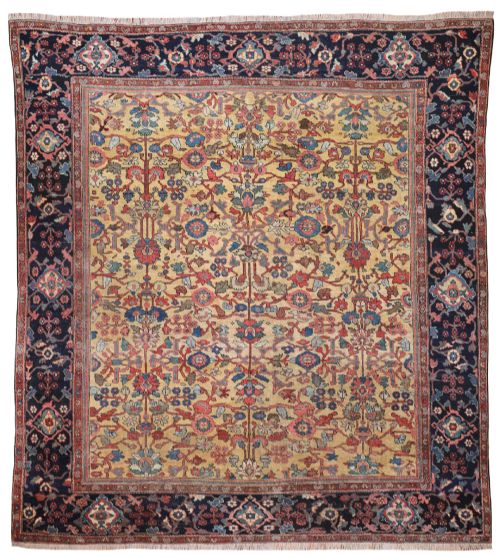
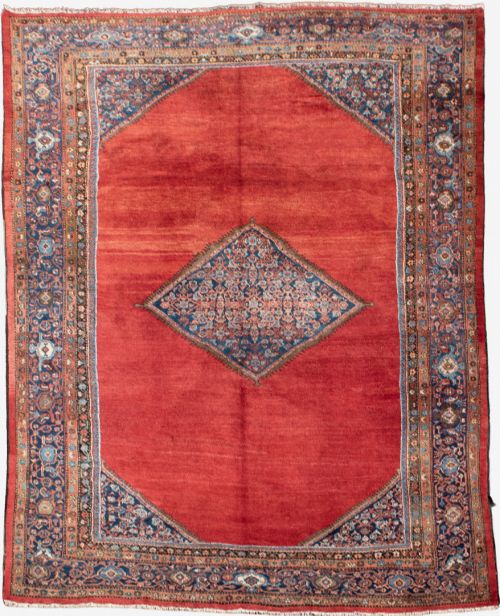
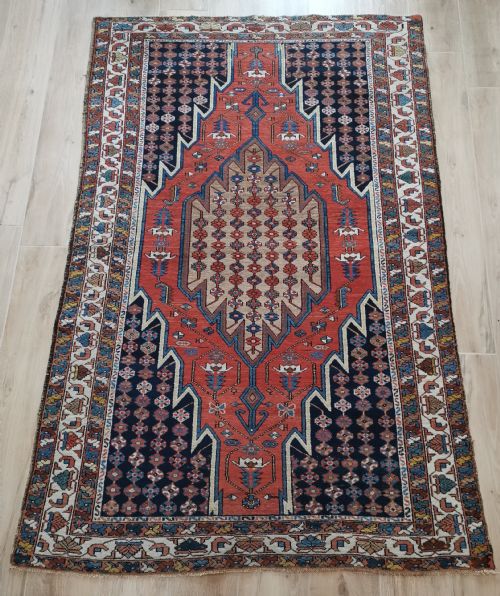
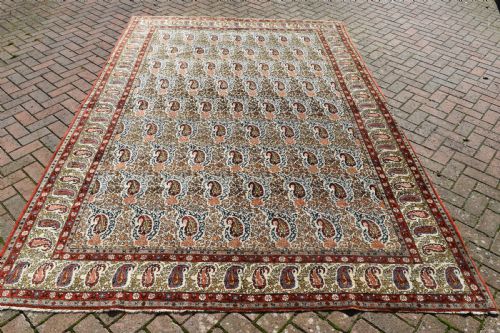
An iranian wool rug encompasses handwoven floor coverings and textiles originating from Persian and Iranian workshops and tribes, spanning from the late nineteenth century through the mid twentieth century. Buyers searching for an iranian wool rug encounter large carpets, roomsize pieces, smaller area formats, runners, and specialised prayer rugs. These pieces represent distinct regional weaving traditions including Heriz, Kashan, Ferahan, and Qum.
How they were made
The primary material foundation of these pieces relies on wool pile knotted onto cotton or wool foundations, utilising handweaving techniques passed down through generations. Certain regional formats integrate silk elements or silk details on felt grounds, particularly in pictorial rugs and embroidered textiles.
Weavers constructed these carpets using traditional hand-knotting methods across diverse village and city looms. Natural and early synthetic dyes provided the palette for the wool and cotton yarns, creating the varied colour schemes observed in tribal and city carpets alike.
Iranian Wool Rug Retail Price Guide 2026
Typical asking prices for iranian wool rug among the pieces listed under this phrase on Sellingantiques today, from the lower quarter to the upper quarter. They describe what is for sale here now, not the wider market.
Some weavers secretly introduced intentional slight colour shifts in the border to ward off the evil eye.
What varies in quality
Quality in these textiles depends on the density of the knotting and the precision of the design execution. Finer city carpets demonstrate tight foundations and intricate curvilinear floral layouts, whereas tribal pieces show bolder geometric medallions and expressive village wool work.
The choice of materials also influences the overall character, with fine wool and occasional silk additions elevating the texture. Preservation of the pile and the integrity of the original borders differentiate roomsize carpets and smaller rugs across the periods.
Hajji Jalili
The Iranian Wool Rug Glossary
- Pile
- The upright yarn loops that form the soft surface of a rug. It is sheared evenly after knotting to reveal the pattern.
- Medallion
- A large central decorative motif found in the middle of many Persian and Iranian carpets. It often dominates the overall composition.
- Warp
- The vertical threads stretched tightly on the loom before knotting begins. The fringe of a finished rug is typically formed by the exposed warp ends.
- Weft
- The horizontal threads passed across the warp strands between rows of knots to secure the pile. It stabilises the structure of the woven textile.
- Prayer rug
- A small format rug featuring a mihrab or arch design used traditionally for daily prayer. The niche points toward Mecca during use.
Iranian Wool Rug: Frequently Asked Questions
How do I care for an iranian wool rug?
Vacuum the rug gently without using a rotating brush roll to protect the wool pile from unnecessary friction and wear.
Professional cleaning is recommended every few years to remove deep-seated dust and preserve the integrity of the natural fibres.
Where were these rugs made?
These textiles originate from various regions, cities, and nomadic tribal territories across Iran, formerly Persia.
Specific production centres include Heriz, Kashan, Isfahan, Qum, and Ferahan, alongside tribal areas associated with the Qashqai and Afshar.
What is the difference between village and city rugs?
City workshops typically produced fine, highly detailed curvilinear designs with dense knotting and balanced floral layouts.
Village and tribal weavers favoured geometric patterns, memory-driven motifs, and robust wool suited for daily domestic utility.
How can I tell the age of a rug?
Dating relies on stylistic characteristics, dye analysis, structural materials, and historical construction methods typical of specific decades.
Nineteenth-century pieces often display distinct vegetable dye palettes and heavier wear patterns compared to mid-twentieth-century productions.